
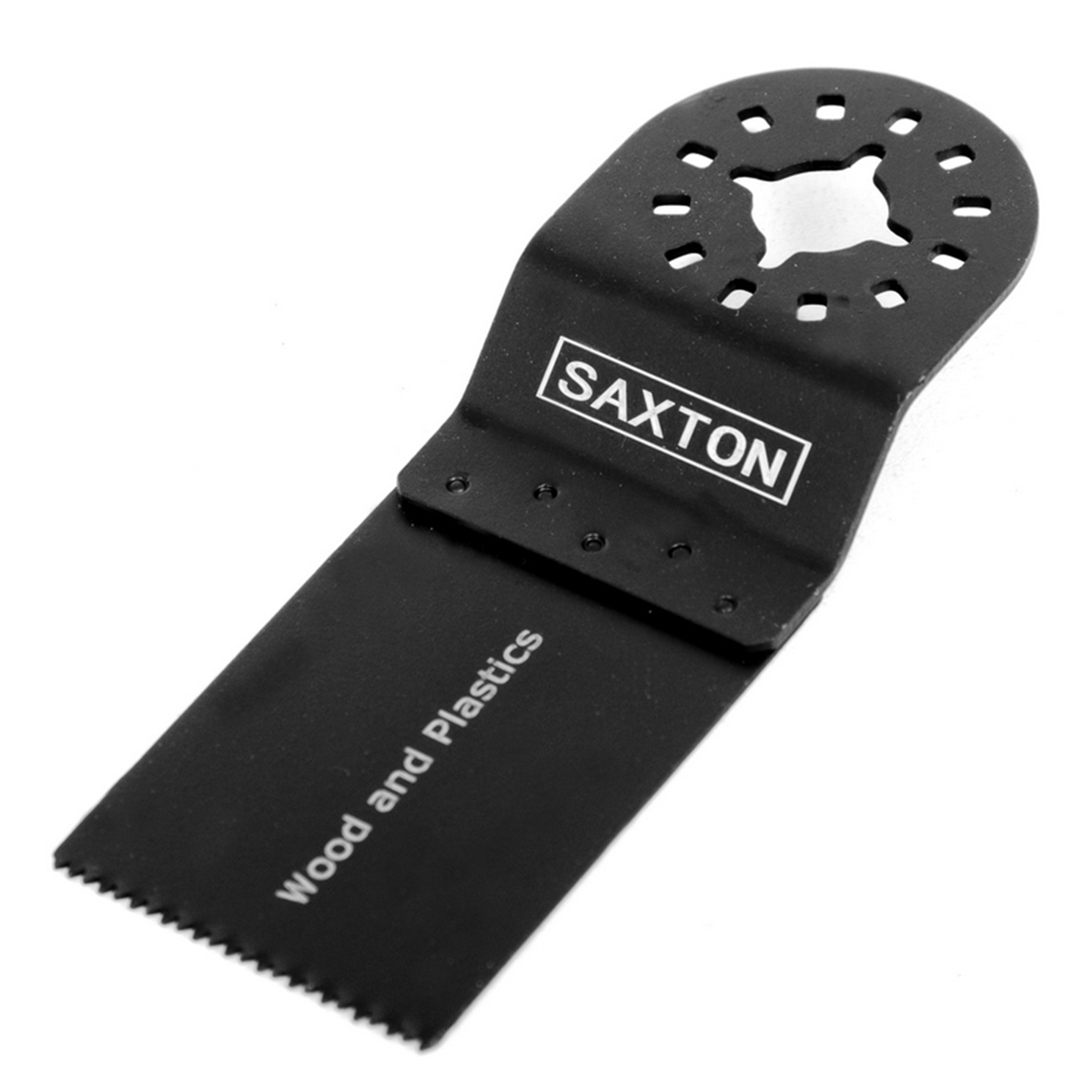
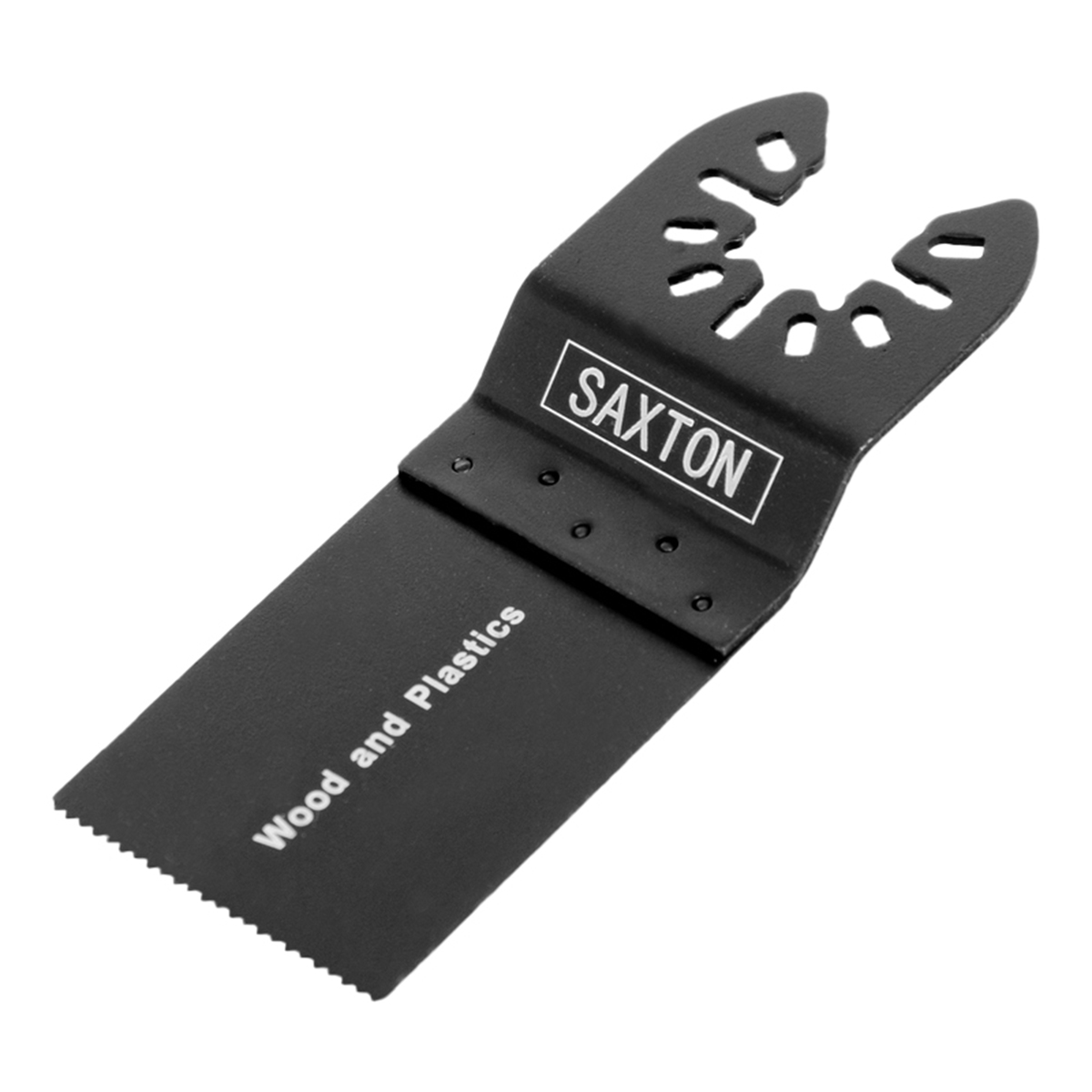

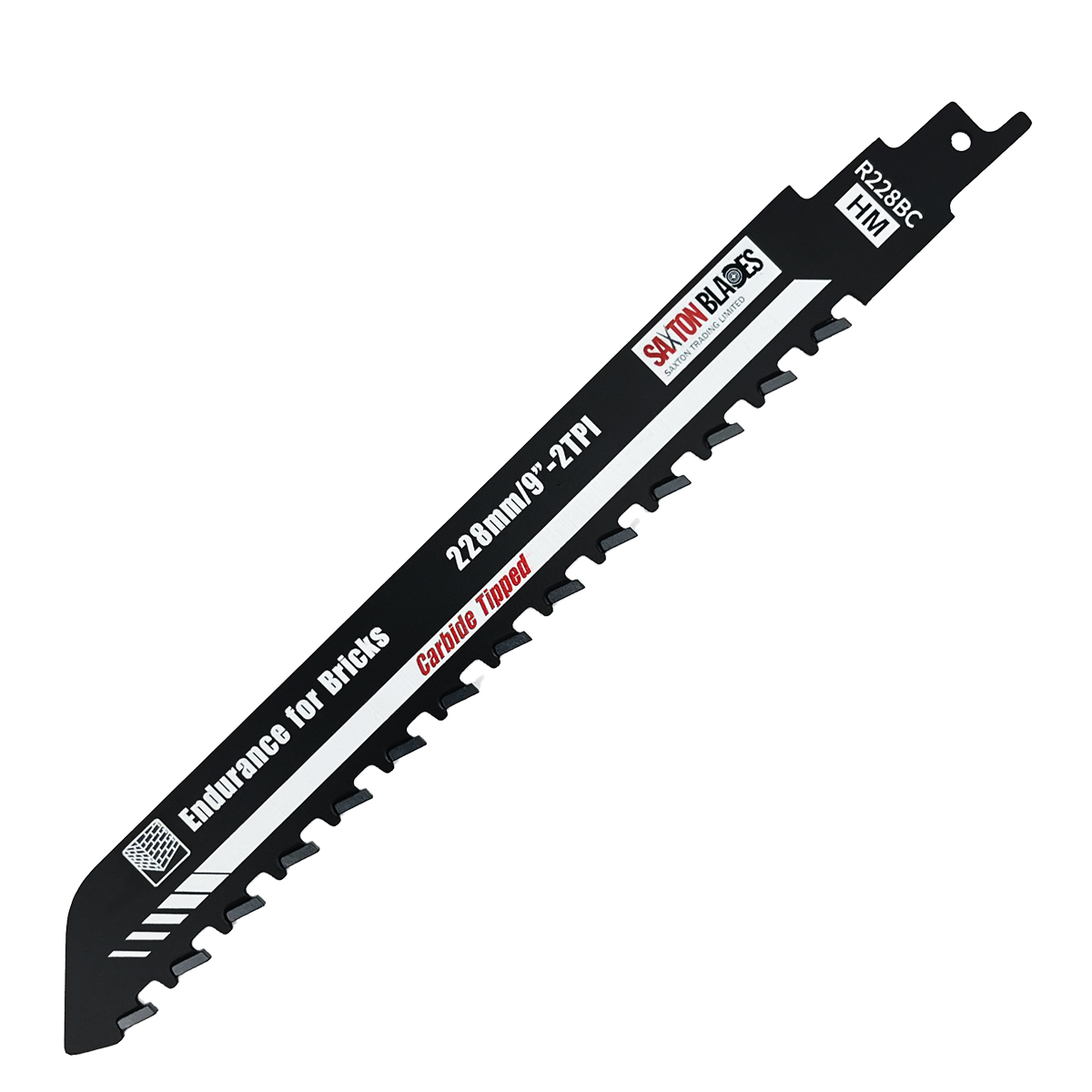
Multi-tool blade types are designed for specific materials and tasks, including cutting wood, cutting metal, removing grout, sanding surfaces, and scraping materials. Choosing the right blade improves cutting performance, accuracy, and the lifespan of your multi-tool.
Oscillating multi-tools are one of the most versatile power tools available because a single tool can complete multiple jobs when fitted with the correct accessory.
This guide explains the different types of multi-tool blades, what each blade is designed for, and how to choose the best option for your project.
What Are The Different Types Of Multi-Tool Blades?
The main multi-tool blade types include wood blades, metal blades, carbide-coated blades, diamond-coated blades, scraper blades, and sanding accessories. Each blade is designed for a specific material or application.
| Multi-Tool Blade Type | Best Used For |
| Wood blades | Cutting timber and wood-based materials |
| Metal blades | Cutting nails, screws, pipes and sheet metal |
| Carbide-coated blades | Grout removal, plaster and abrasive materials |
| Diamond-coated blades | Tile, stone and hard materials |
| Scraper blades | Removing adhesives, paint and sealants |
| Sanding sheets and pads | Finishing and surface preparation |
Selecting the correct blade helps your multi-tool work more efficiently and produces better results.
How Do Multi-Tool Blades Work?
Multi-tool blades attach to oscillating multi-tools and move rapidly from side to side to cut, sand, scrape, or remove materials. Unlike traditional saw blades that rotate, oscillating multi-tool blades use a short side-to-side movement that allows greater control in tight spaces.
This makes multi-tools useful for:
- Flush cutting
- Detailed cutting
- Surface preparation
- Renovation work
- Finishing tasks
Different Types Of Multi-Tool Blades
The best multi-tool blade depends on the material you are working with and the result you want to achieve. Cutting wood, removing grout, sanding surfaces, and cutting metal all require different blade designs.
Wood Multi-Tool Blades
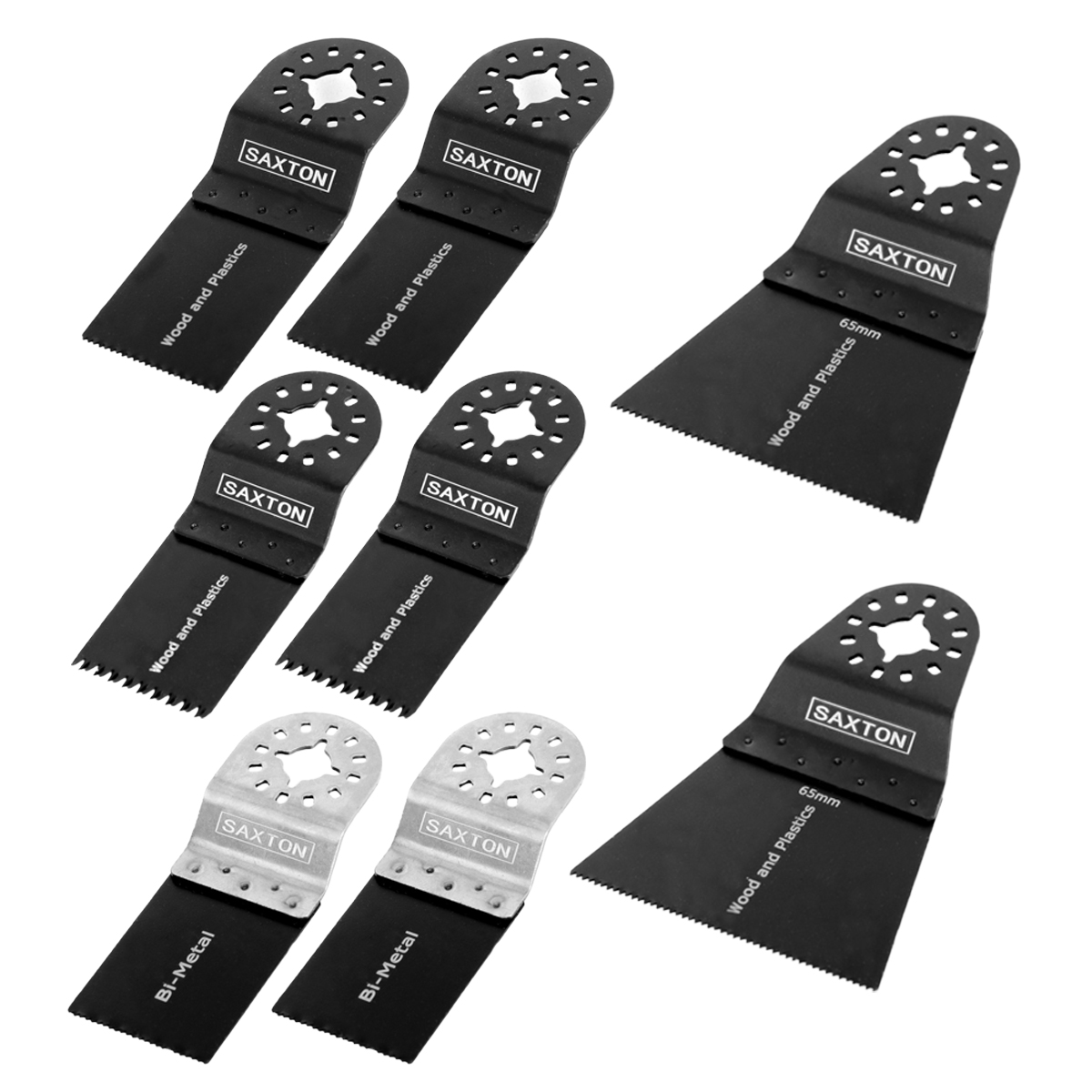
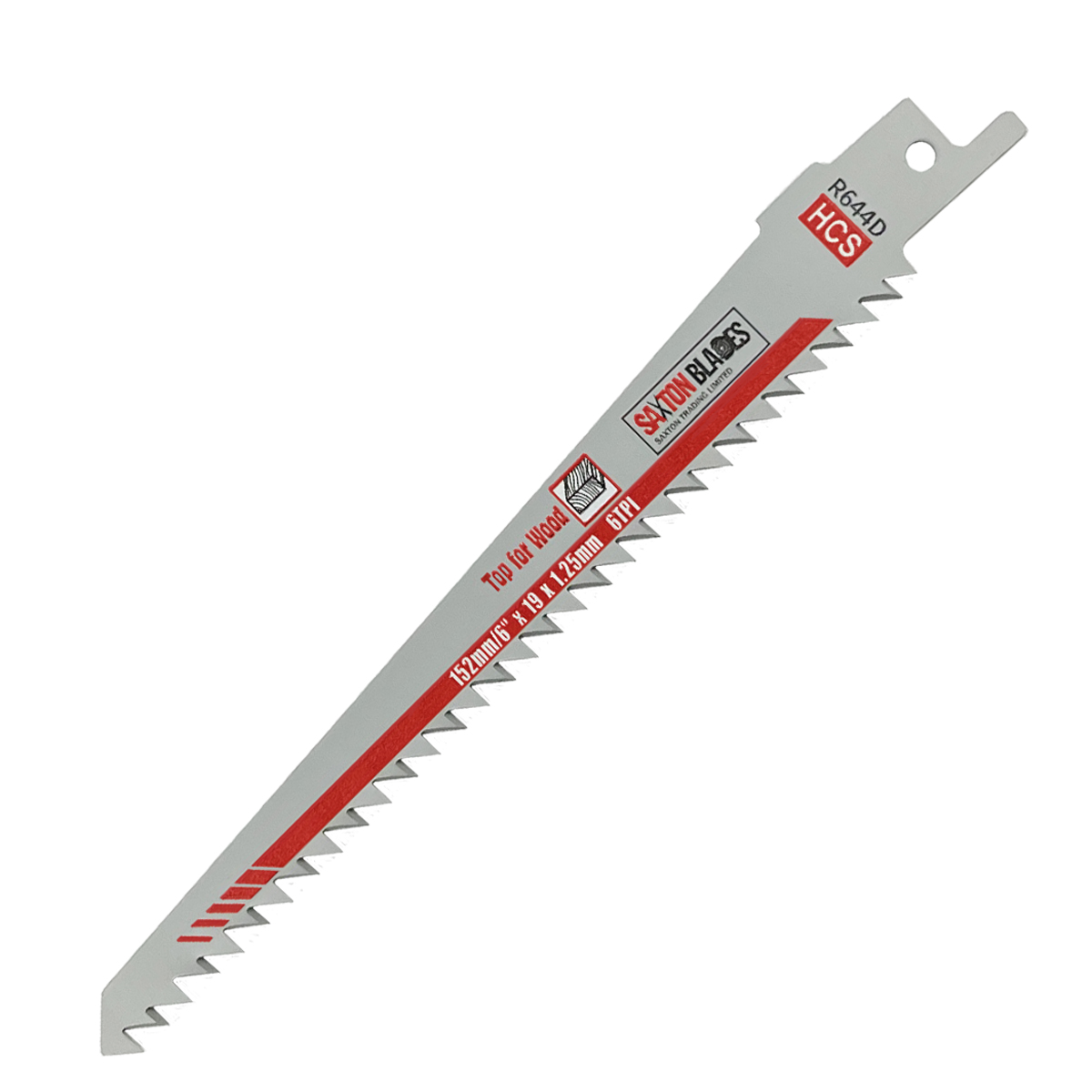
Wood blades are designed for cutting timber, MDF, plywood, and other wood-based materials. They are ideal for cutting door frames, trimming skirting boards, creating precise cuts in timber, and completing woodworking repairs. For cleaner cuts, choose a blade with the appropriate tooth design for the finish you require.
Metal Multi-Tool Blades
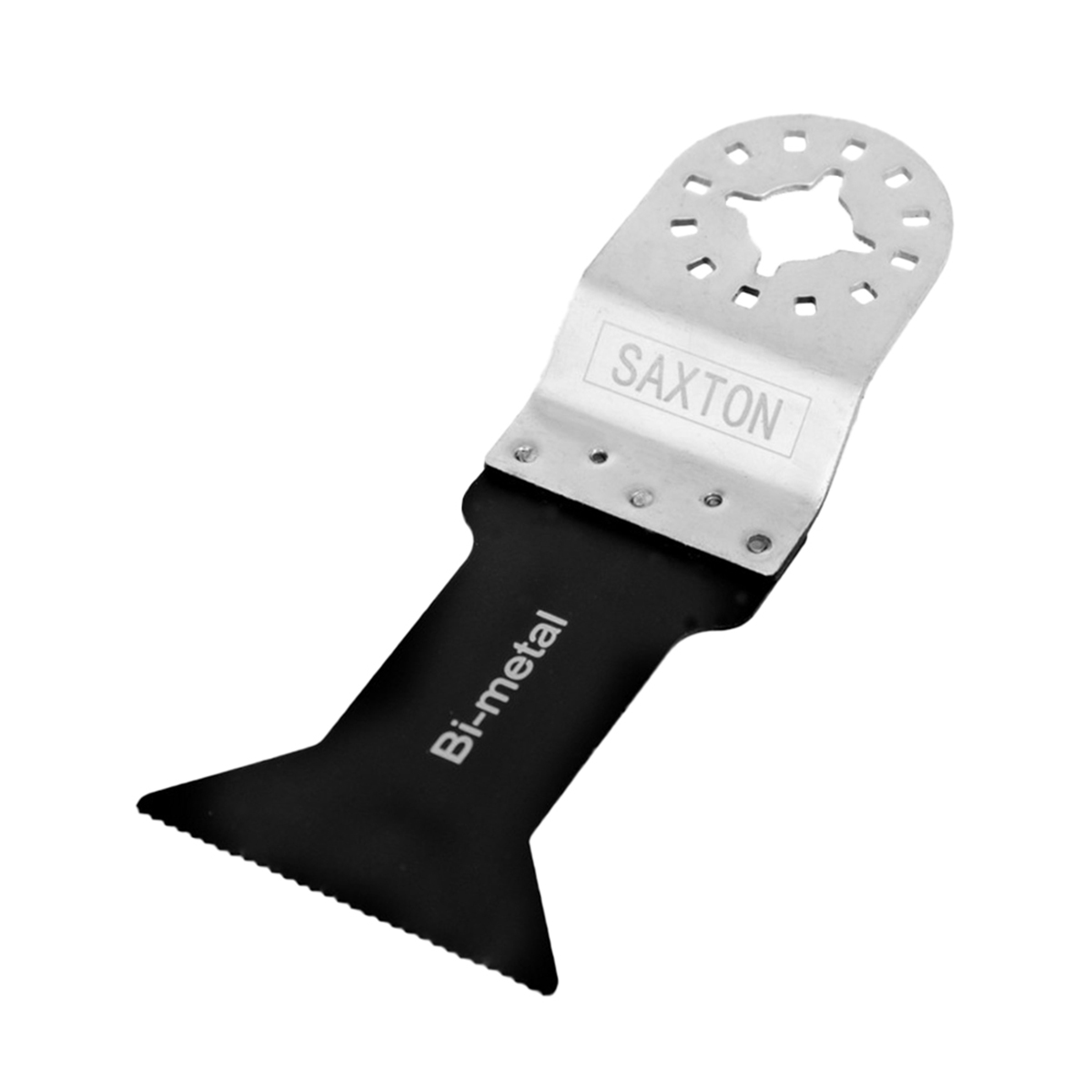
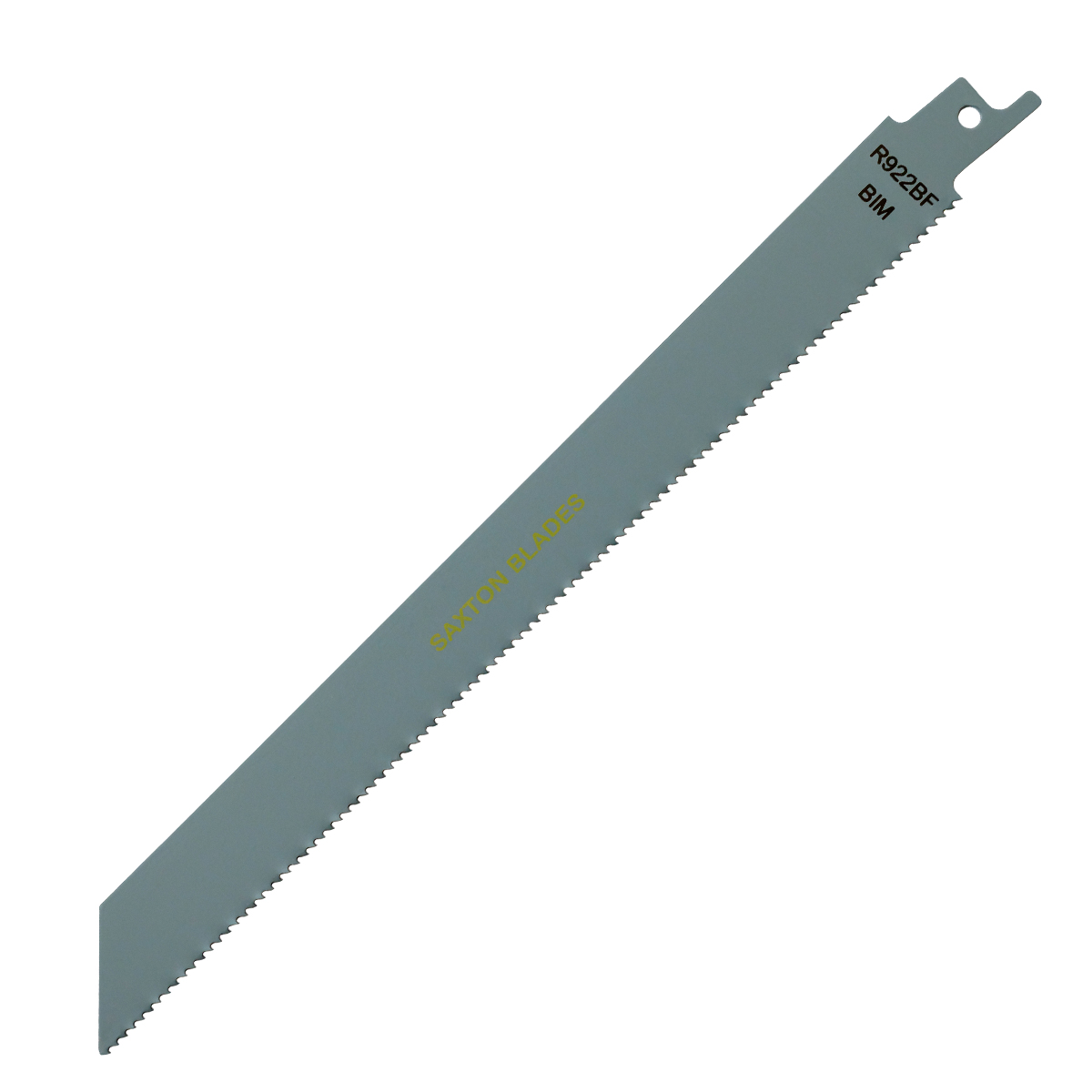
Metal multi-tool blades are designed to cut through materials such as nails, screws, pipes, and sheet metal. They are commonly used for plumbing repairs, electrical installations, renovation work, and cutting embedded fixings. For tougher metals, choose heavy-duty blades designed specifically for cutting ferrous materials.
Carbide Coated Multi-Tool Blades
Carbide-coated blades are built for demanding applications where standard blades may wear quickly. They are ideal for removing grout, cutting plaster, working with abrasive materials, or renovation projects. The carbide coating provides additional durability when working with harder materials.
Diamond Coated Multi-Tool Blades
Diamond-coated blades are designed for cutting extremely hard materials including tile, stone, and other abrasive surfaces. Their diamond cutting edge provides durability and precision when completing specialist renovation tasks. Ideal applications include tile cutting, grout removal, and stone work.
Delta Sanding Sheets
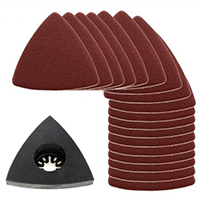
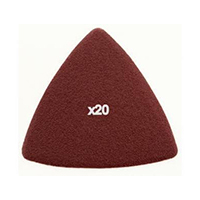
Delta sanding sheets are designed for detailed sanding work where precision is required. Their triangular shape allows users to reach corners, edges, tight spaces, and detailed surfaces. They are ideal for furniture restoration and finishing projects.
Finger Sanding Sheets
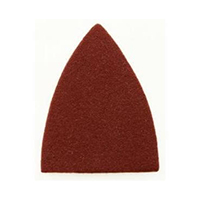
Finger sanding sheets provide precision sanding in small and difficult-to-reach areas. They are useful for craft projects, detail sanding, or intricate finishing work. Their narrow design allows greater control than standard sanding pads.
Scraper Blades
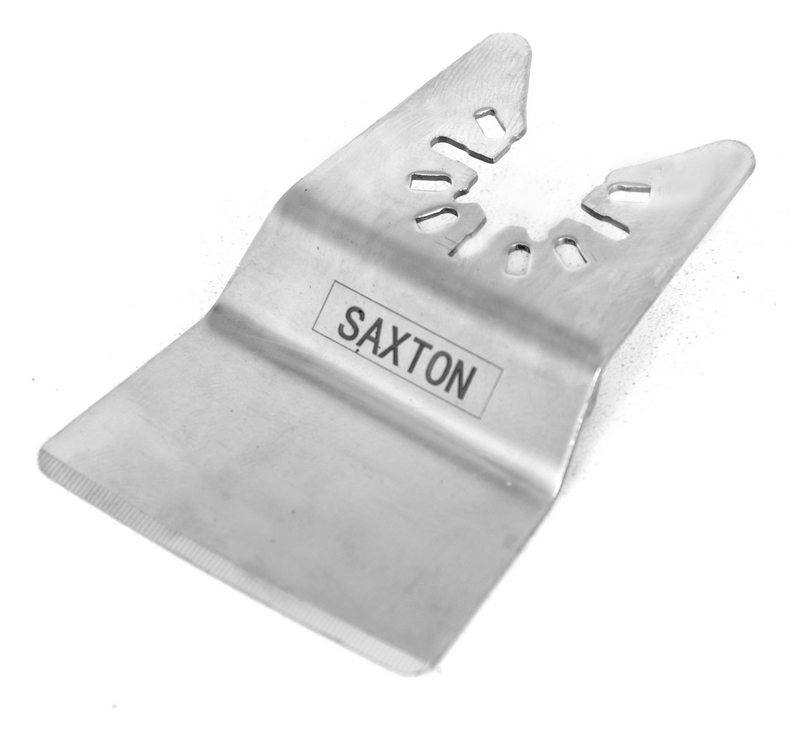
Scraper blades remove unwanted materials from surfaces during renovation and preparation work. They are commonly used for removing old adhesive, paint, sealants, and residue. Scraper blades help prepare surfaces before installing new materials or applying finishes.
Mixed Multi-Tool Blade Sets
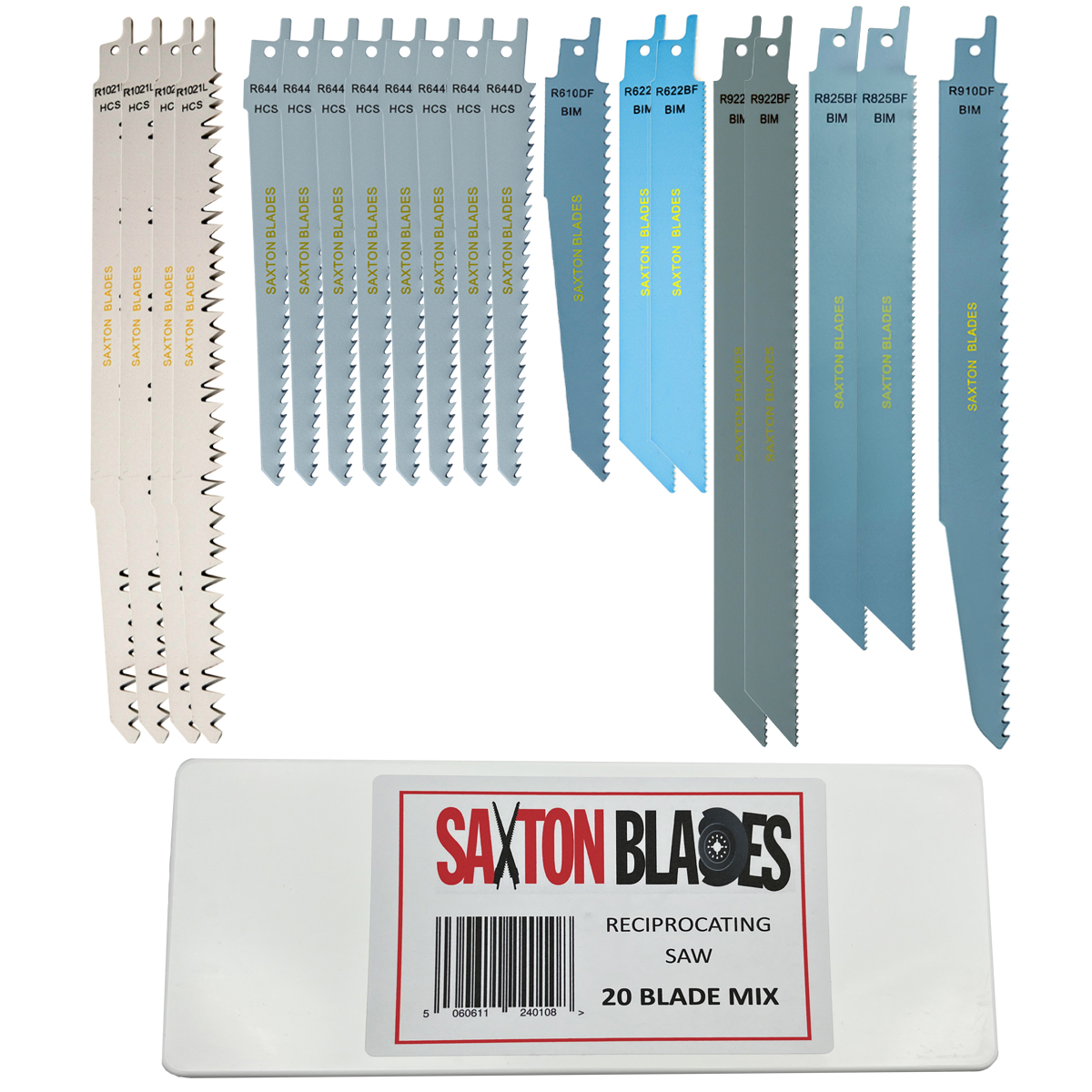
Mixed blade sets provide multiple multi-tool blade types in one collection, making them ideal for users who complete different projects. A mixed set may include blades for wood cutting, metal cutting, plastic cutting, sanding, and scraping. They are a practical option for DIY users who want flexibility without purchasing individual blades.
How To Choose The Right Multi-Tool Blade
Choosing the right multi-tool blade comes down to three factors: the material you are cutting, the task you are completing, and the finish you need.
- Identify The Material
Different materials require different blade designs.
- Match The Blade To The Task
The correct blade improves efficiency because each design is created for a specific purpose.
- Choose Quality And Compatibility
A high-quality blade improves durability and helps your multi-tool perform effectively. Always check tool compatibility, blade fitting type, material suitability, and expected workload.
Multi-Tool Blade Applications
Multi-tool blades are used across DIY, construction, plumbing, electrical work, and renovation projects because they can complete a wide range of cutting and finishing tasks. Multi-tool blades in DIY are useful for:
- Furniture repairs
- Flooring installation
- Cutting timber
- Removing old materials
- Professional Applications
Tradespeople use multi-tool blades for:
- Electrical installations
- Plumbing repairs
- Construction adjustments
- Renovation work
How To Maintain Multi-Tool Blades
Proper blade maintenance extends blade lifespan and helps maintain cutting performance. To maintain your multi-tool blades, follow these steps:
Clean Blades After Use: Remove debris and residue to prevent corrosion.
Store Blades Correctly: Keep blades dry and organised to avoid damage.
Avoid Overheating: Excessive heat can reduce blade performance and shorten lifespan.
Replace Worn Blades: A damaged or worn blade will reduce cutting efficiency and accuracy.
Find The Right Multi-Tool Blade For Your Next Project
Choosing the correct multi-tool blade helps you work more efficiently, achieve cleaner results, and get more from your oscillating tool.
Whether you need to cut wood, remove grout, prepare surfaces, or work with metal, selecting the right blade type is essential for achieving the best performance.
Explore Saxton Blades’ range of multi-tool blades to find the right solution for your next project, or speak to our team for help choosing the best blade for your application.