
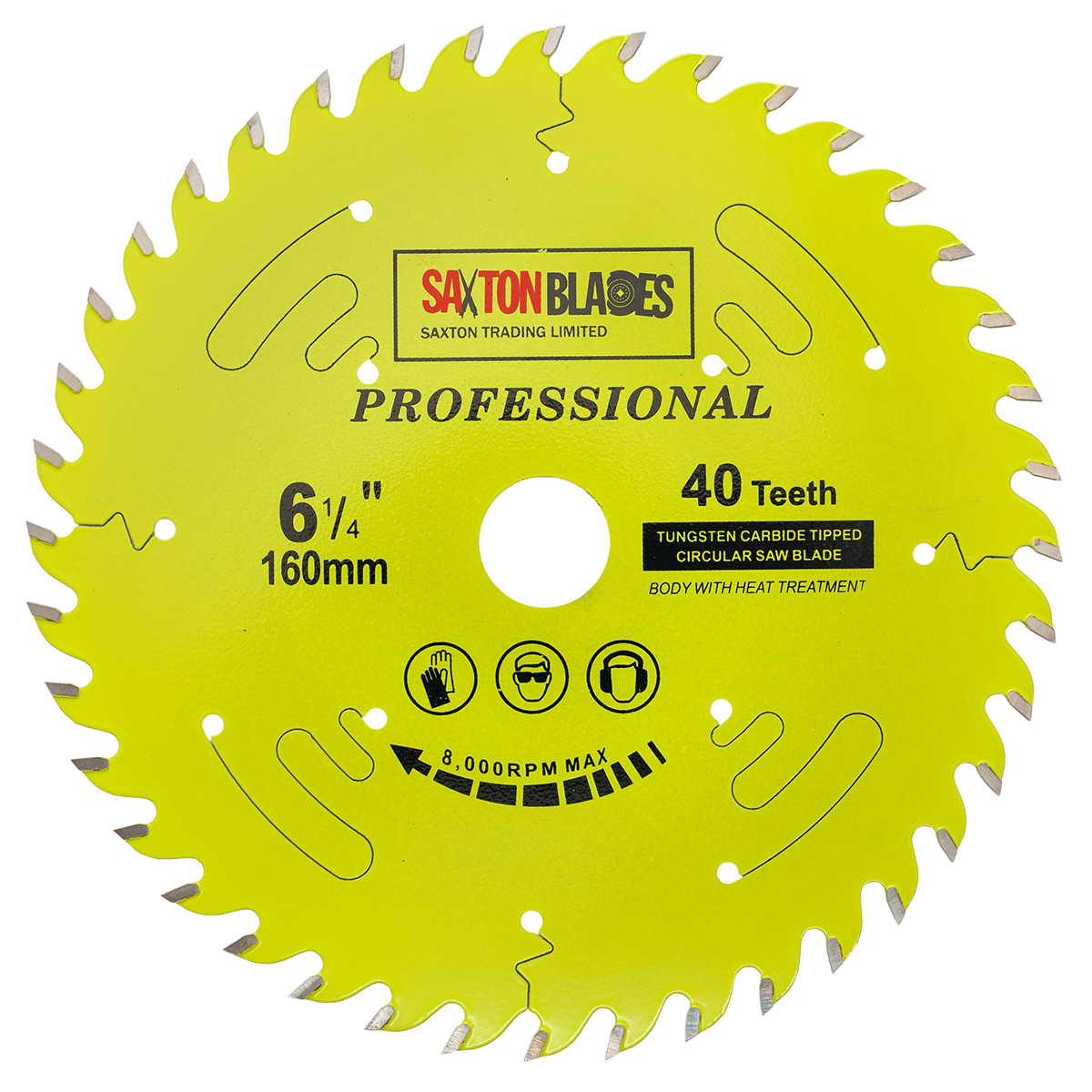
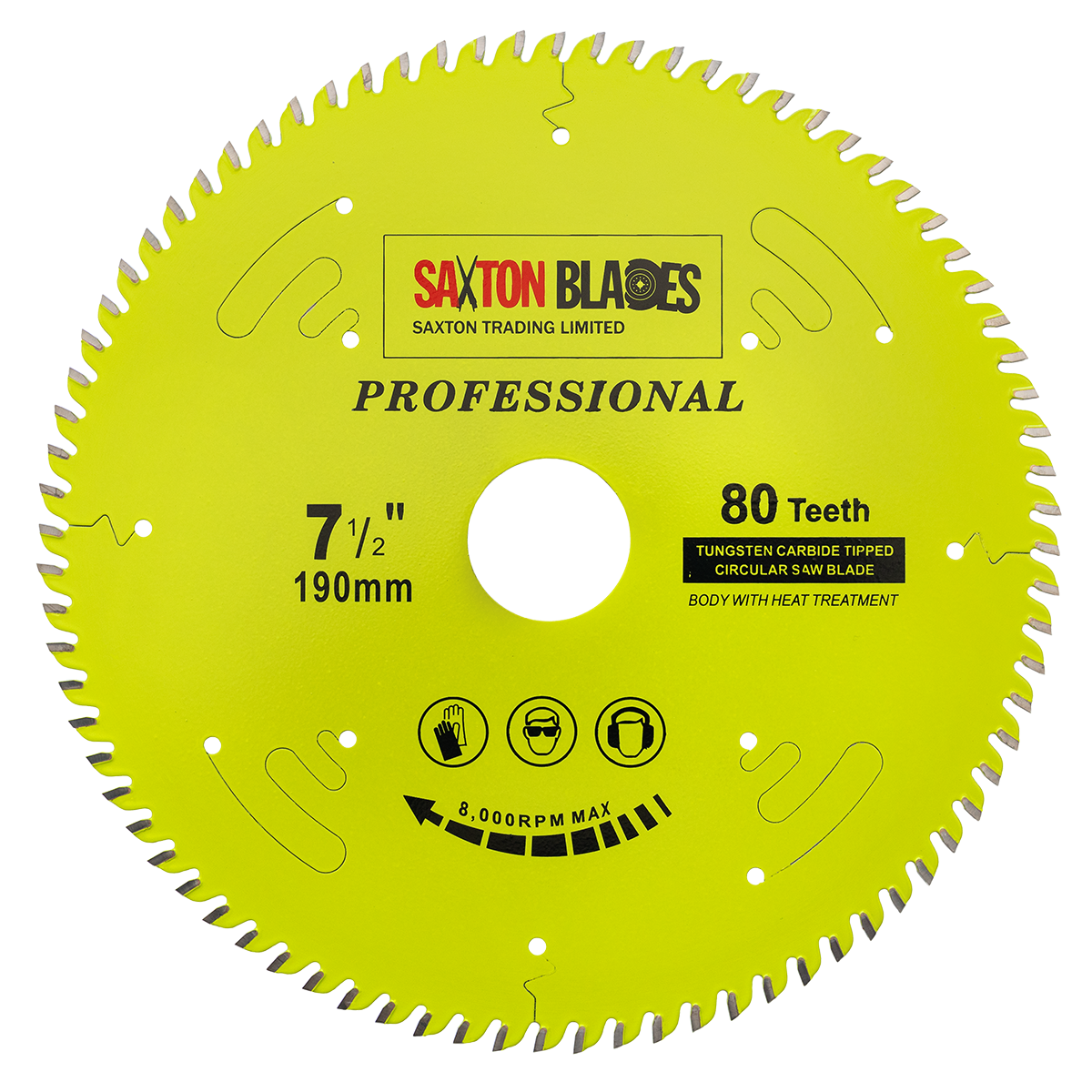
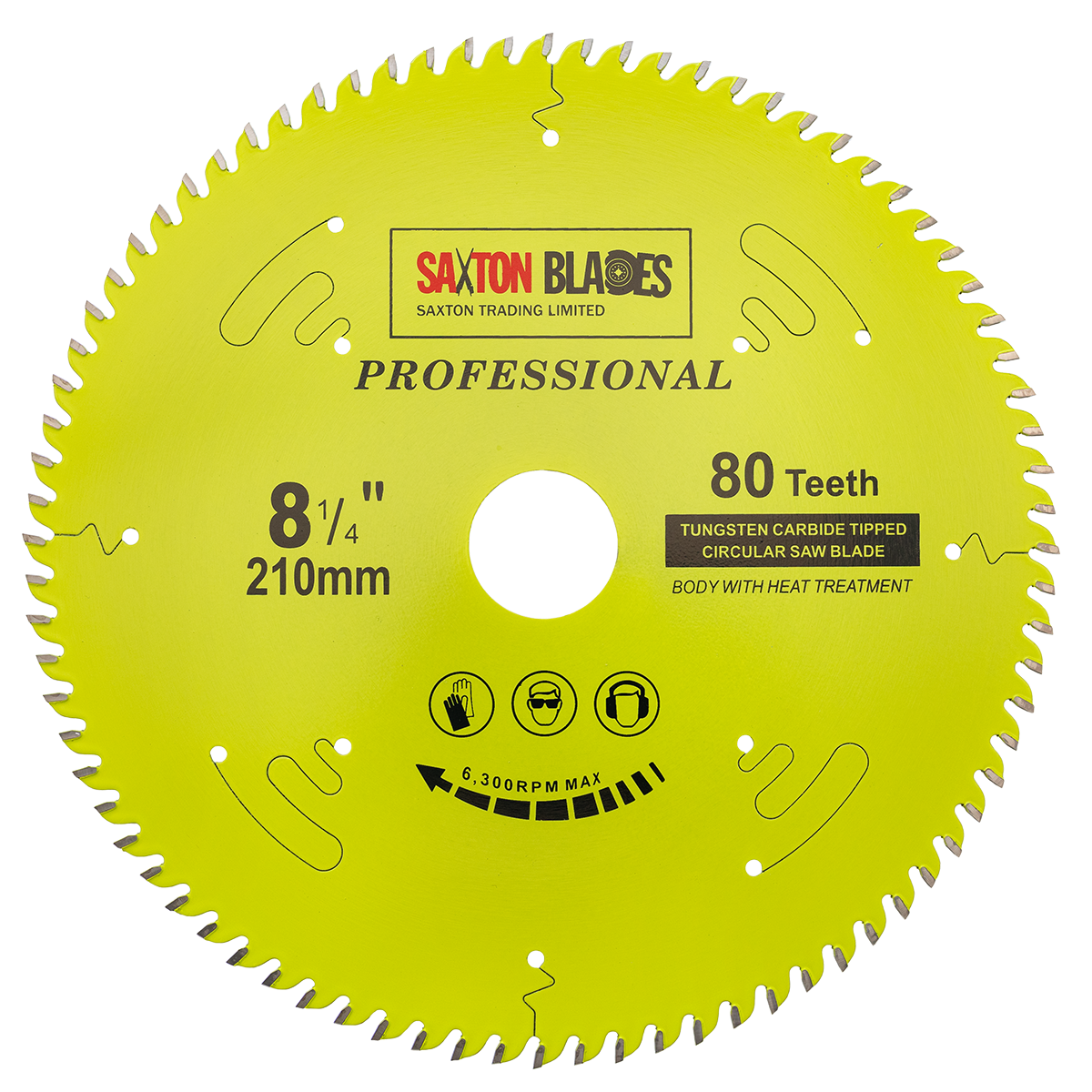
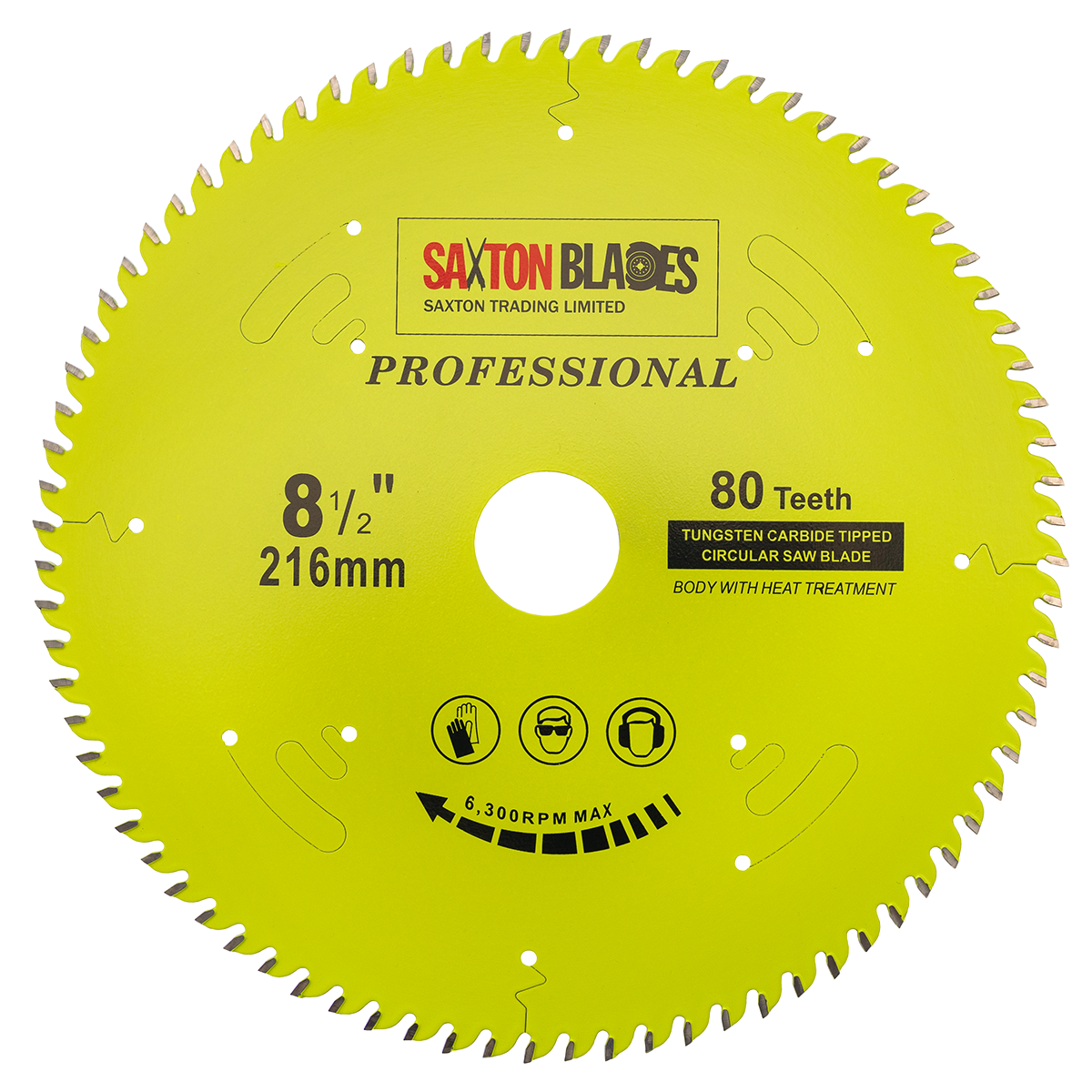
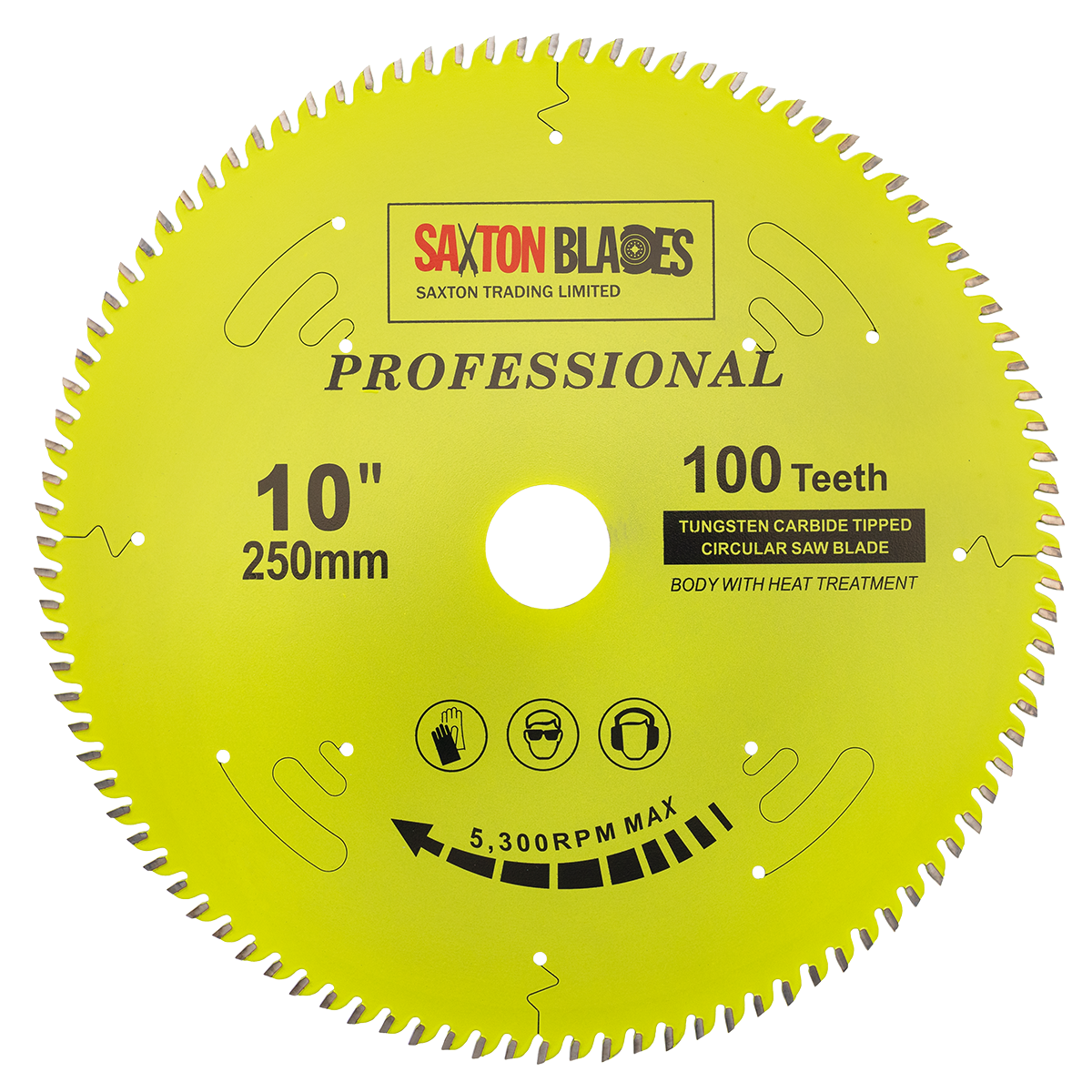
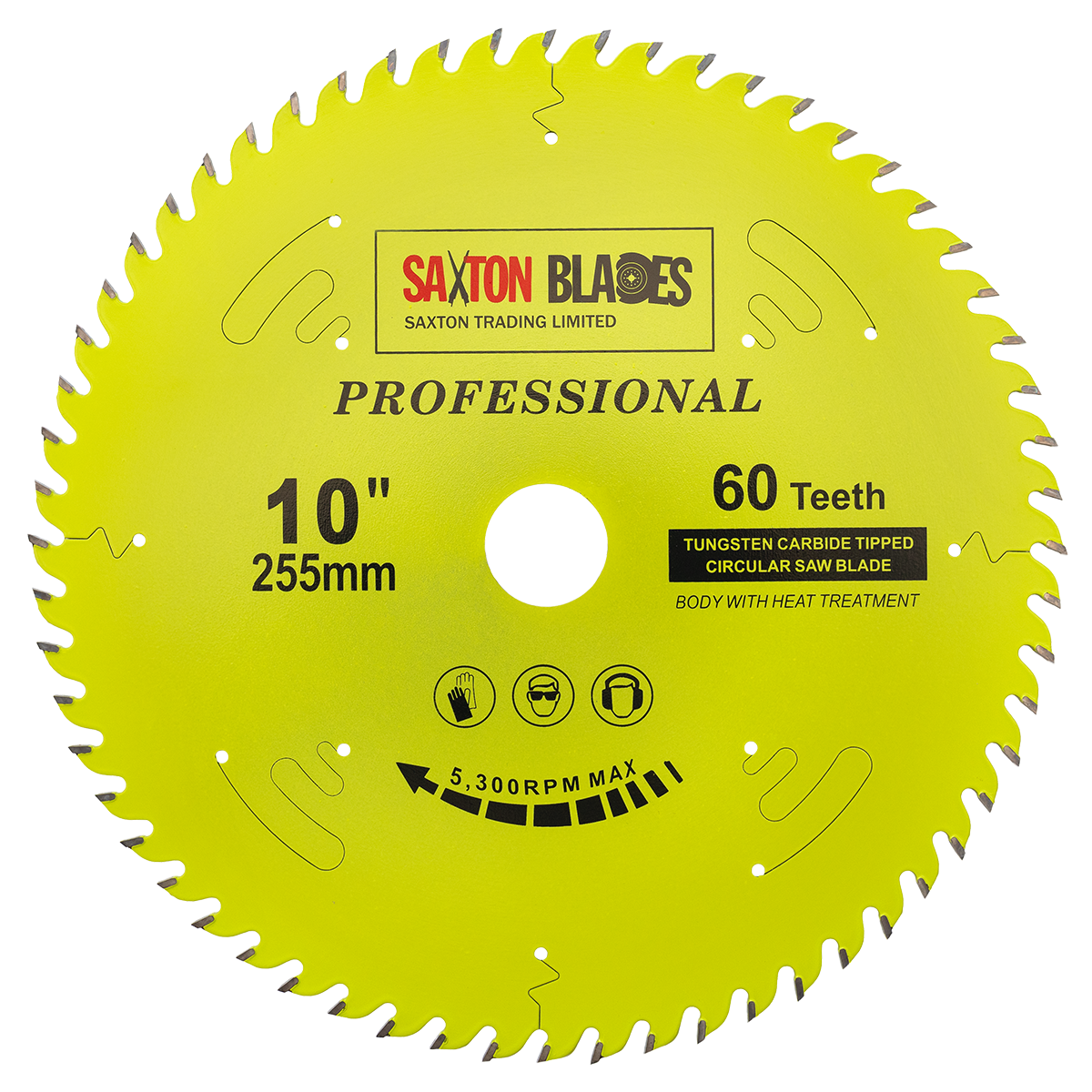
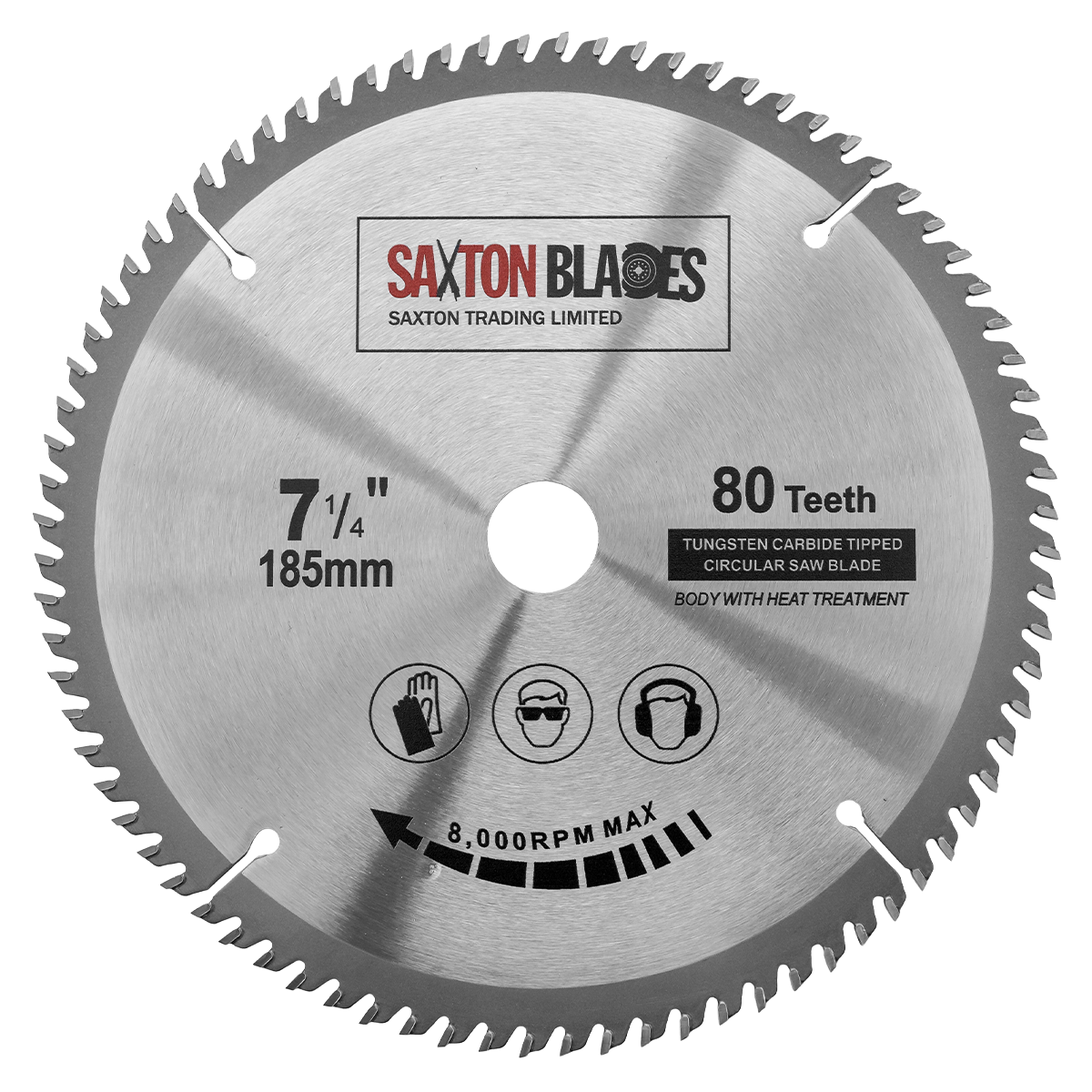
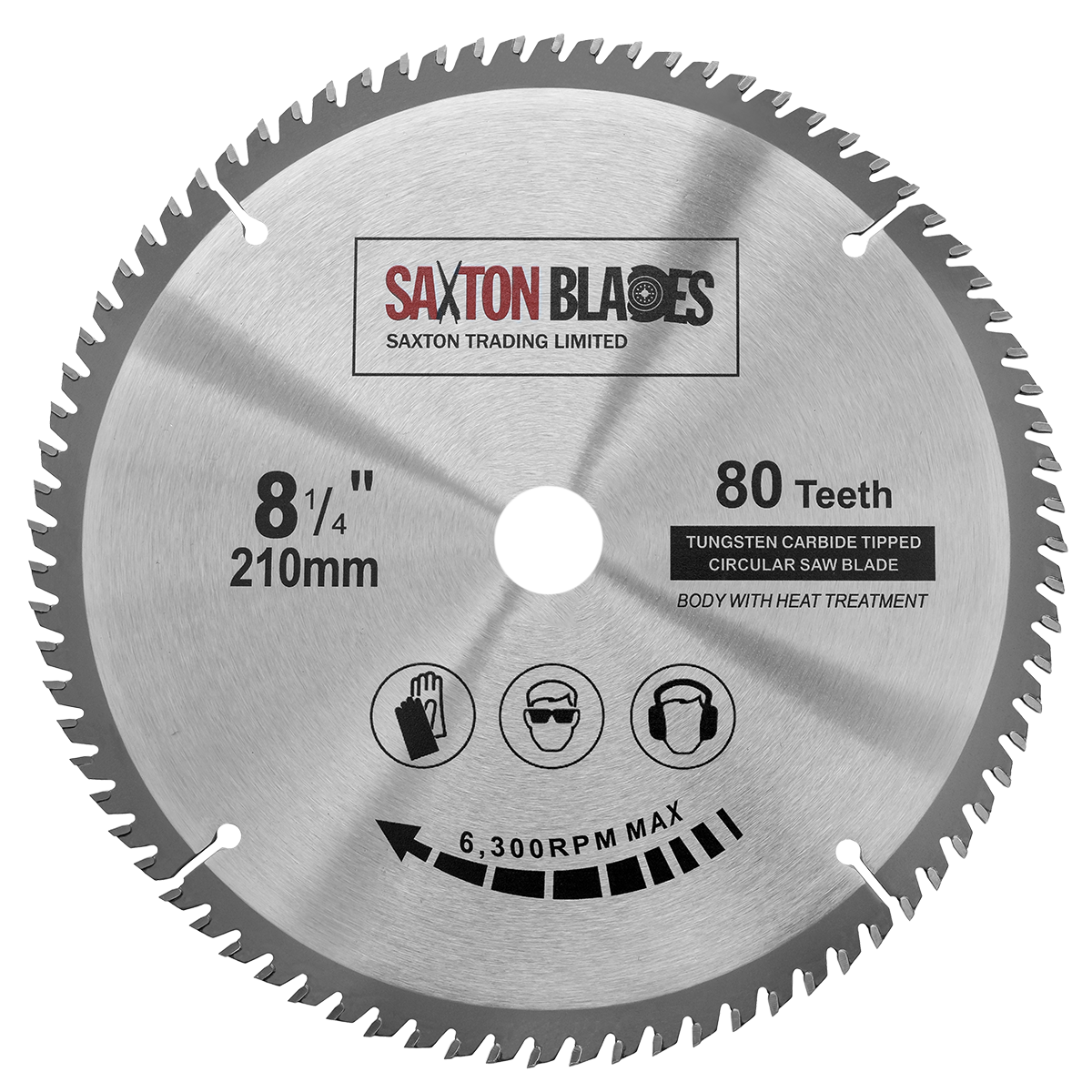
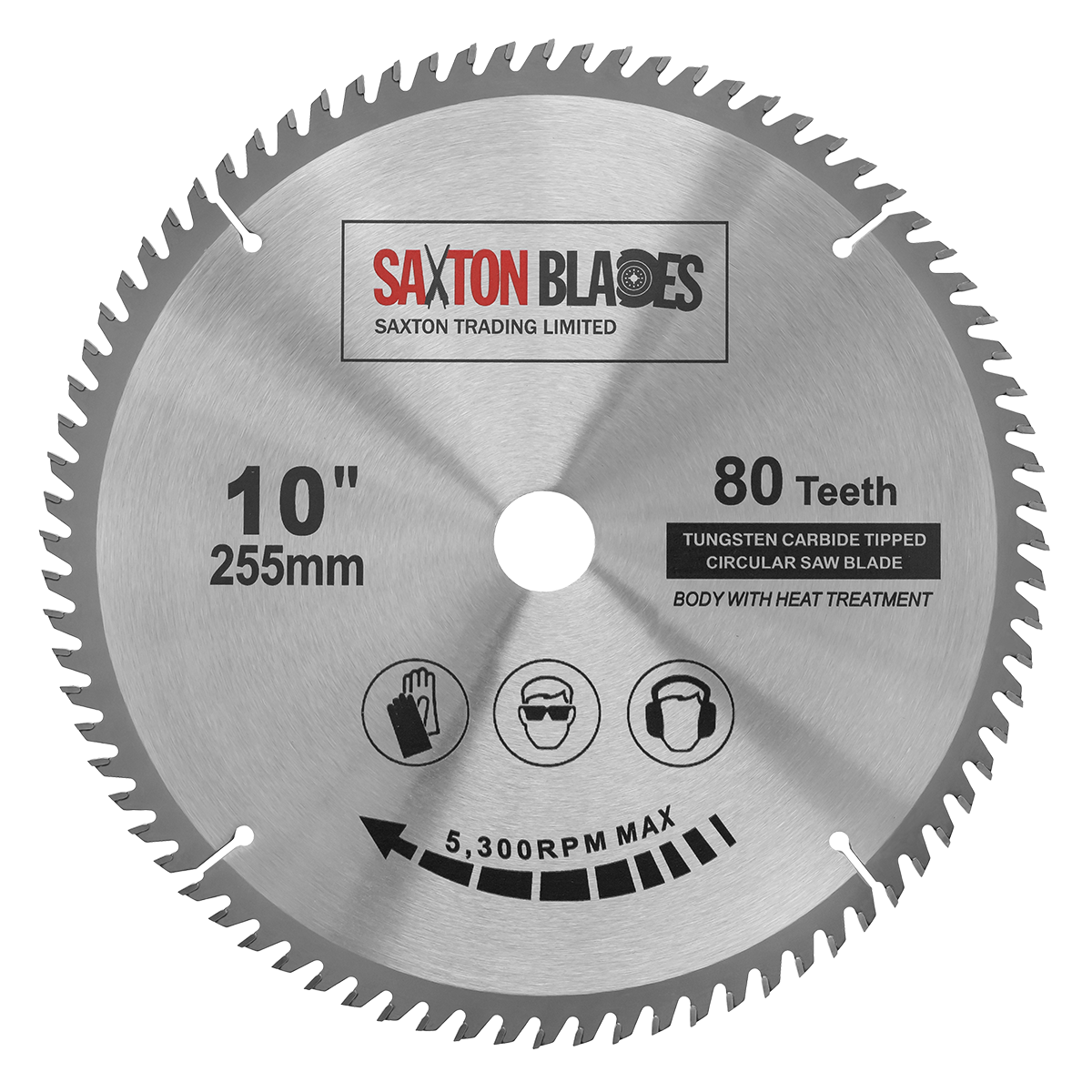
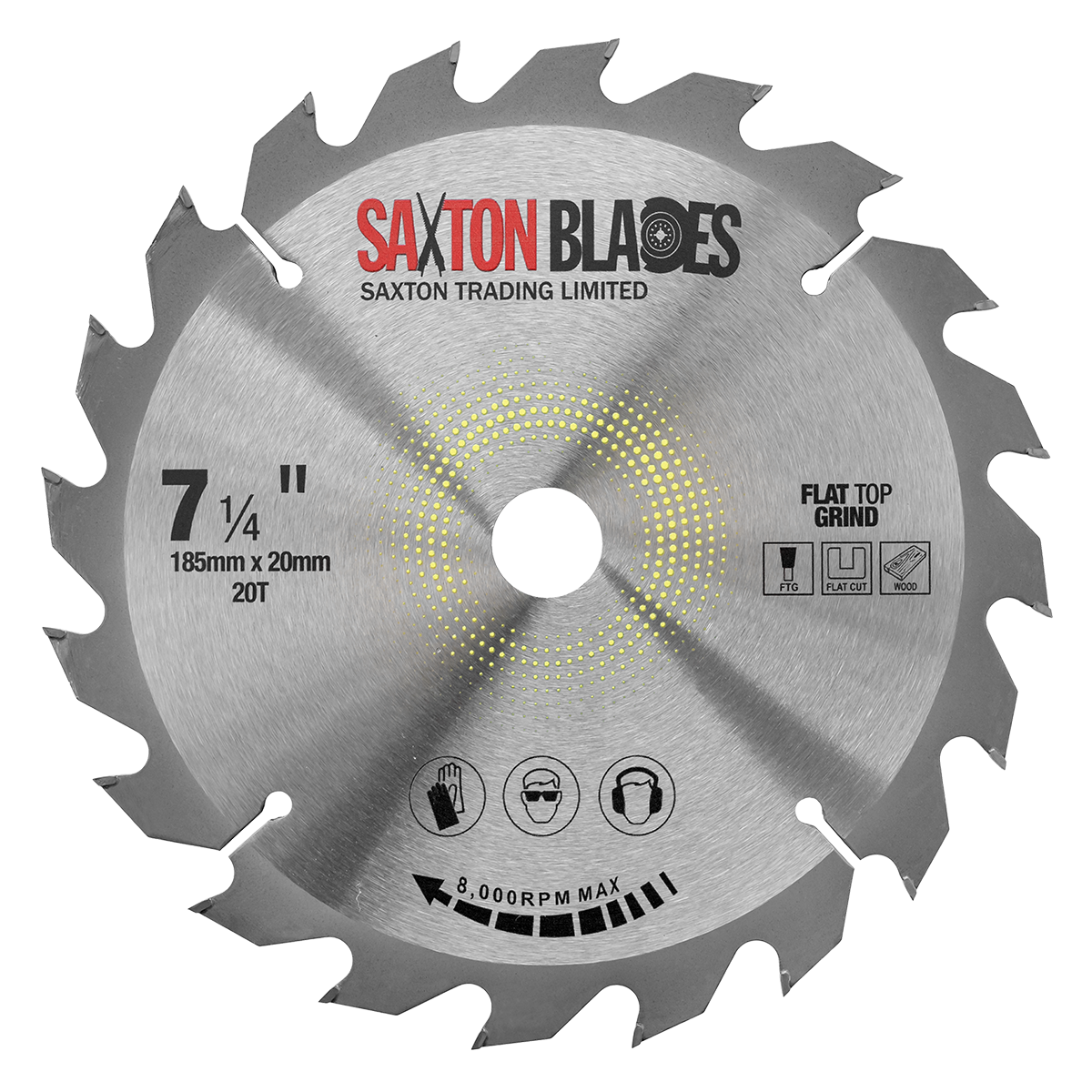
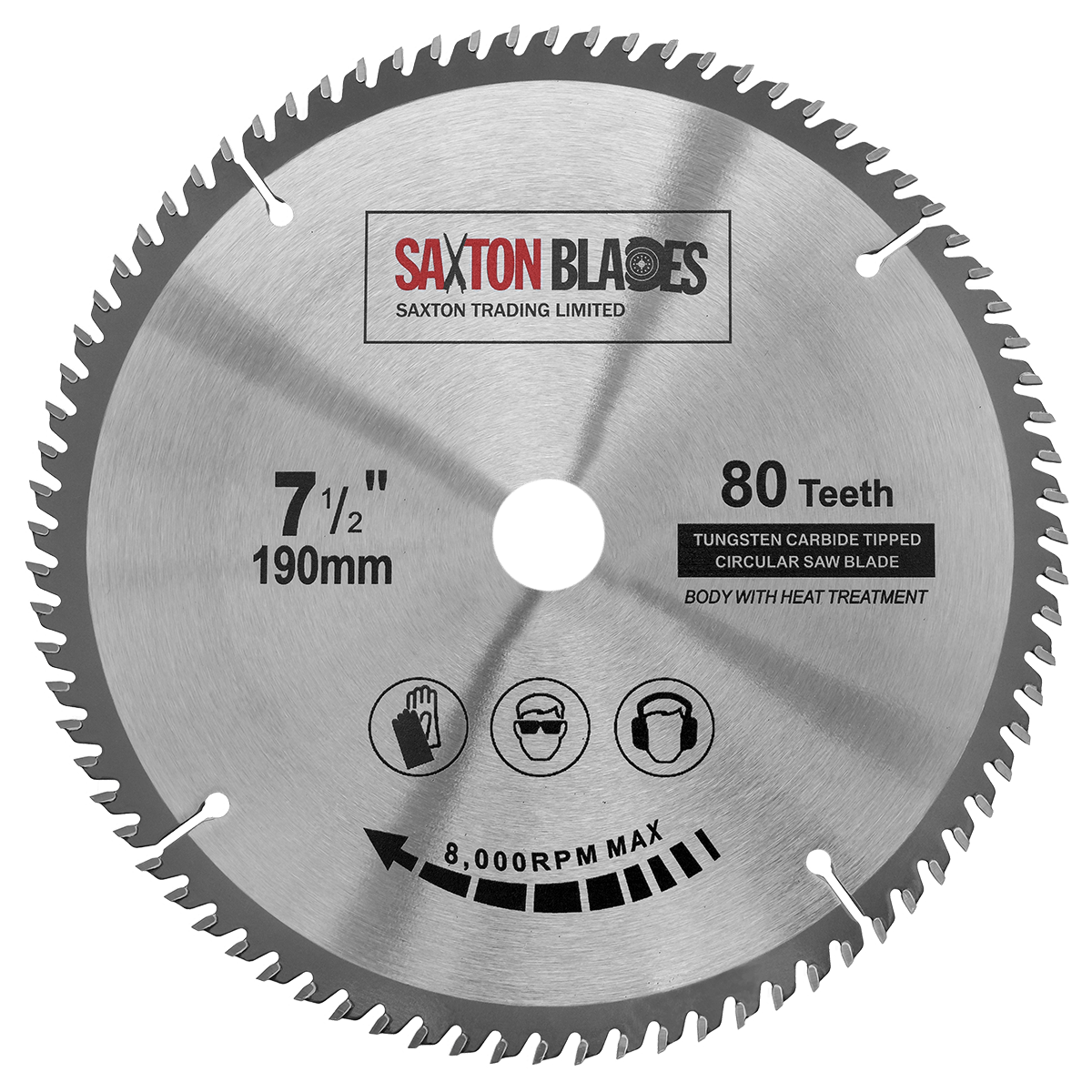
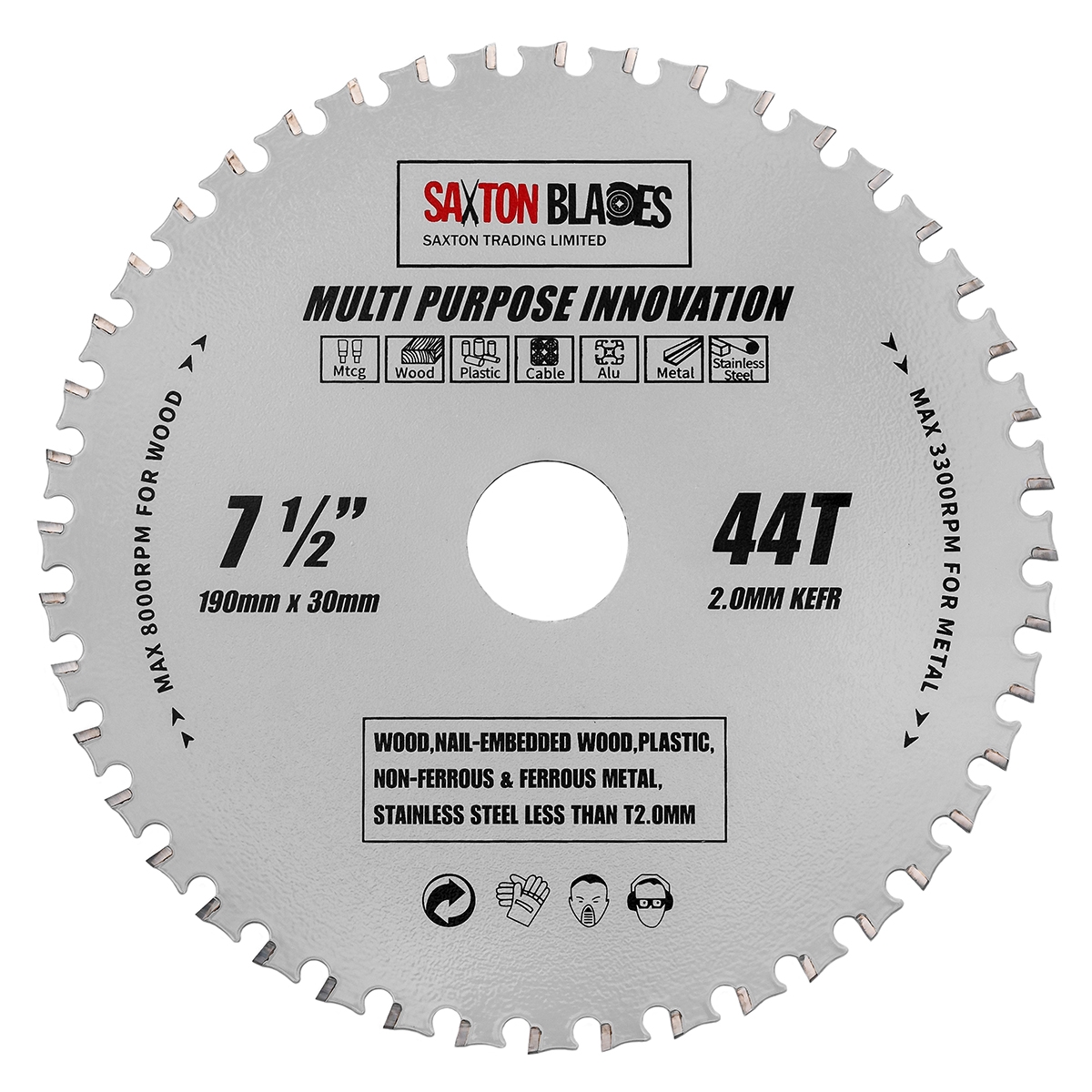
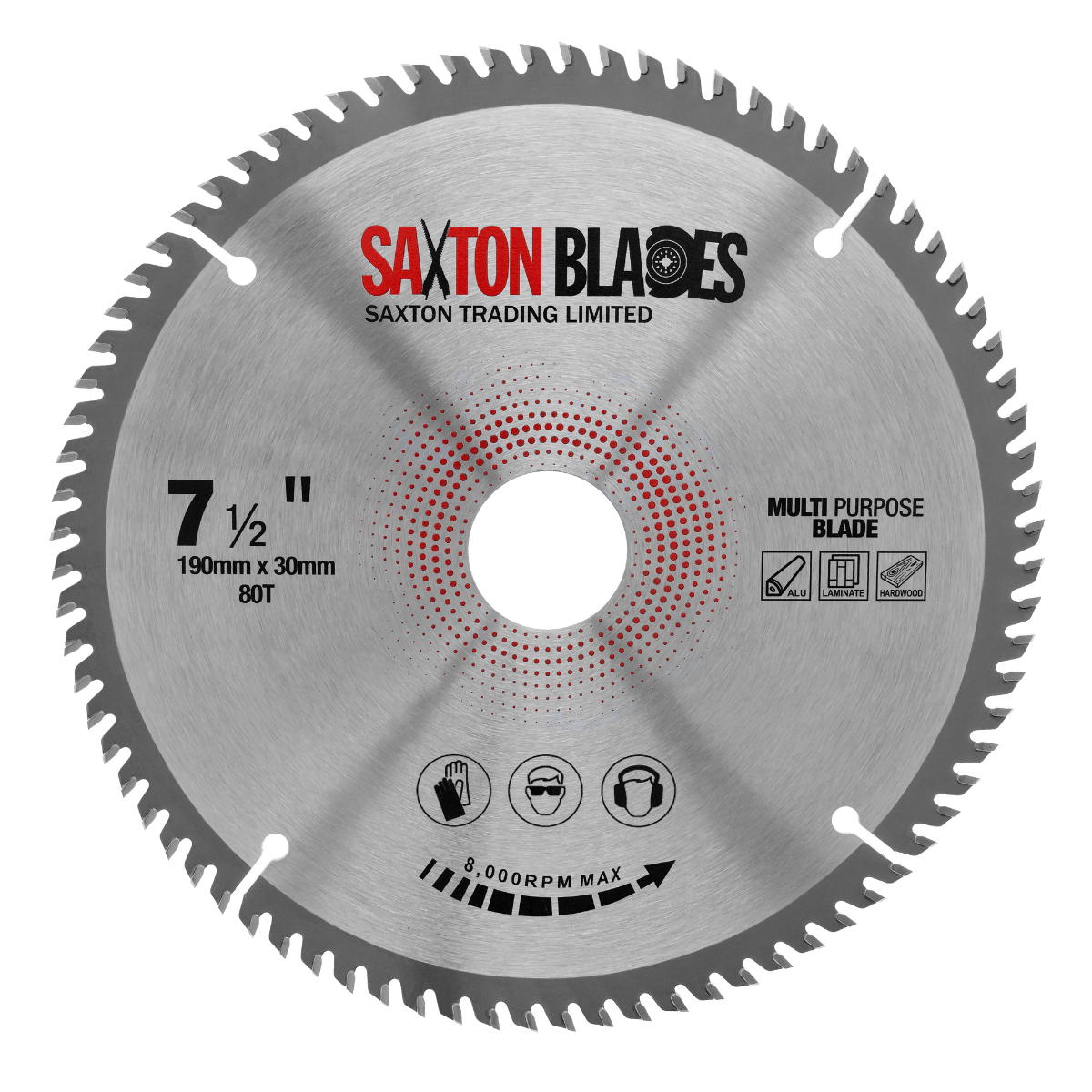
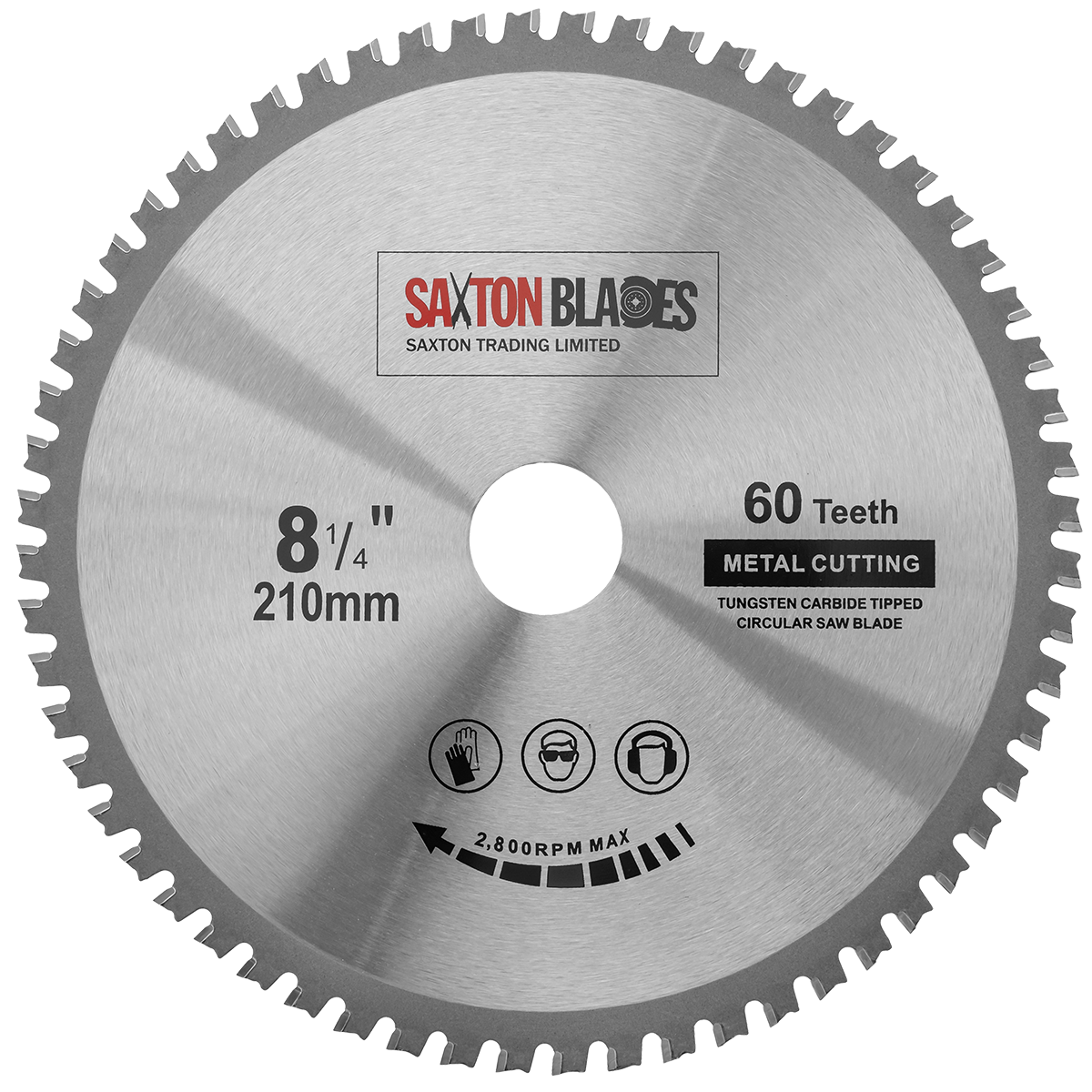
Most saw blades have teeth that lean forward into the cut. A negative rake blade does quite the opposite: the teeth lean slightly backward. This one particular change makes it the fastest, cleanest option for a specific set of jobs.
What Does a “Negative Rake” Mean
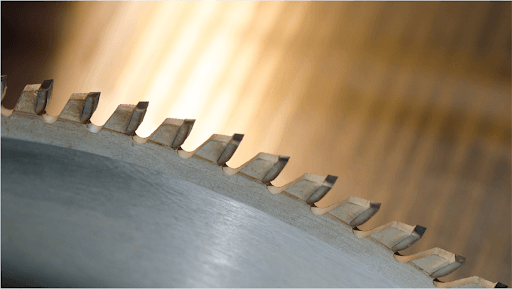
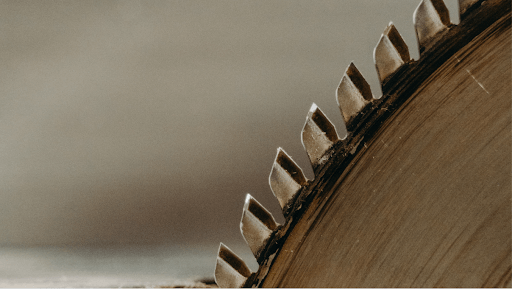
The rake (or the hook) angle describes how each tooth is tilted relative to the direction the blade spins. A positive rake leans the tooth forward, so it bites aggressively and pulls itself into the material. A negative rake tilts the tooth back, typically by around 5 degrees, so instead of digging into the fibre, it shears through the work at a scraping angle.
The result is a blade that cuts with far more control. It doesn’t scratch, it resists kickback, and it treats the surface of the material gently. The trade-off is speed: a negative rake saw blade cuts more slowly and needs a little more push so you can be in better control of the cut.
When to Use a Negative Rake Saw Blade?
On Mitre Saws, Sliding Compound Saws, Radial Arm Saws
On these machines, the blade drops down onto the workpiece from above, and an aggressive positive-rake blade wants to climb and drag the material up toward it, which lifts the workpiece, roughens the cut, and is just plain unsafe. Negative rake removes that tendency. The teeth meet the work in a controlled shear, so the piece stays put, and the cut stays clean.
On Brittle and Coated Materials
Laminate, melamine, veneered board, and acrylics all chip easily because their surface fractures the moment a tooth lifts it. The gentle shearing action of a negative rake blade, especially at a high tooth count, slices cleanly through the coating instead, leaving a crisp, chip-free edge on both faces.
When Cutting Metal
A purpose-built metal TCT blade uses a negative rake angle: it keeps the cut controlled, manages the heat and swarf, reduces snagging, and leaves a burr-free finish.
When to Use Something Else?
Negative rake is not a ripping blade. If you’re cutting solid timber down the grain on a table saw, where the blade cuts upward from below and you want the teeth to feed efficiently, a negative rake blade just means hard work. For that, a positive rake ATB or flat top grind blade is faster and easier.
Choosing a 255mm Negative Rake Circular Saw Blade
255mm is one of the most common sliding mitre saw sizes, so it’s worth knowing which blade fits which job. For general crosscutting in solid wood, a professional-grade 255 saw blade with an ATB grind gives fast, clean cuts. Switch to a 255mm negative rake blade when you move onto laminate, melamine, or other coated and fragile materials where chip-free edge matters more than speed.
Not Sure Which Negative Rake Saw Blade You Need?
Browse the full negative rake range or call us on 0800 170 7222 and tell us your saw and your material, and our professionals will point you to the right blade for the job.