
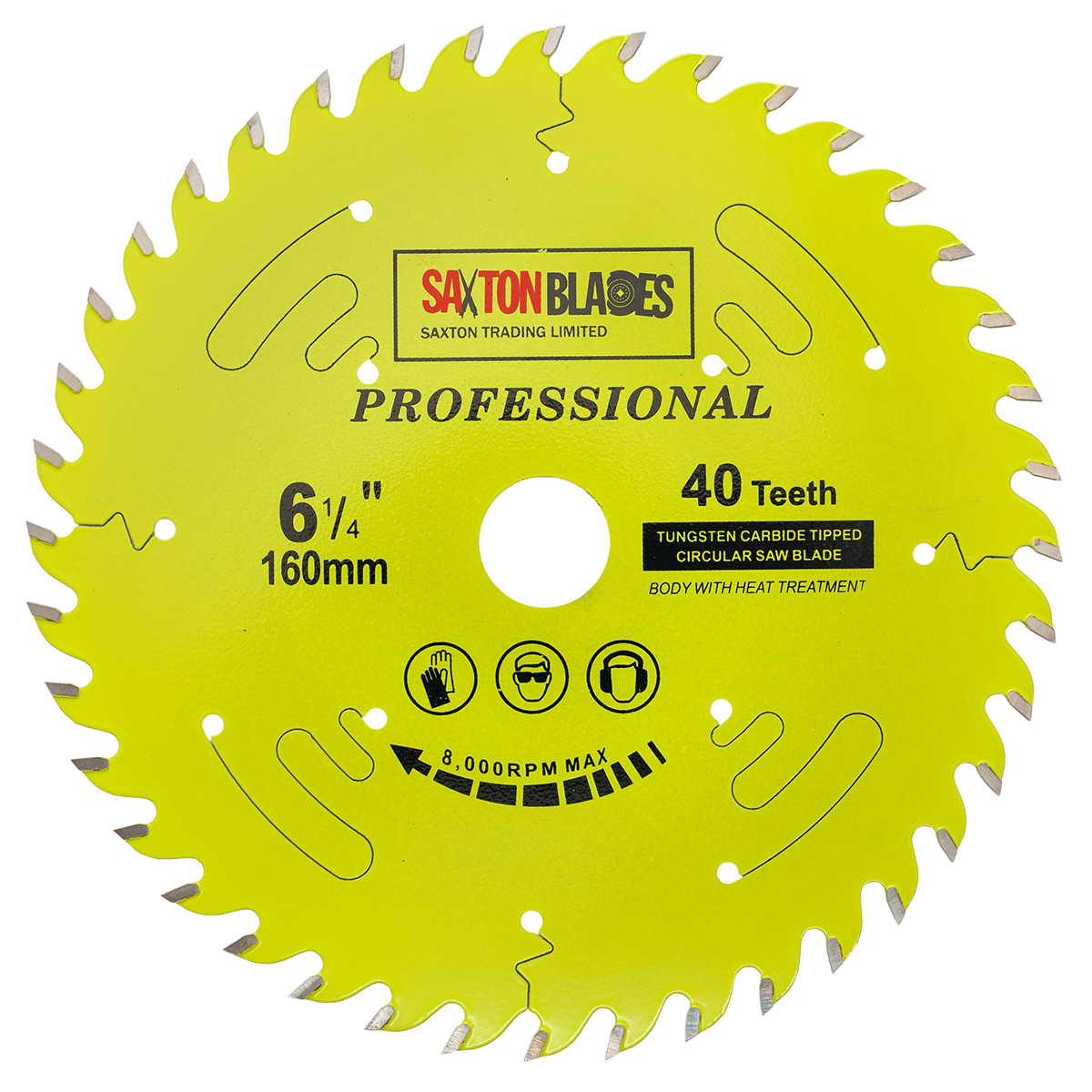
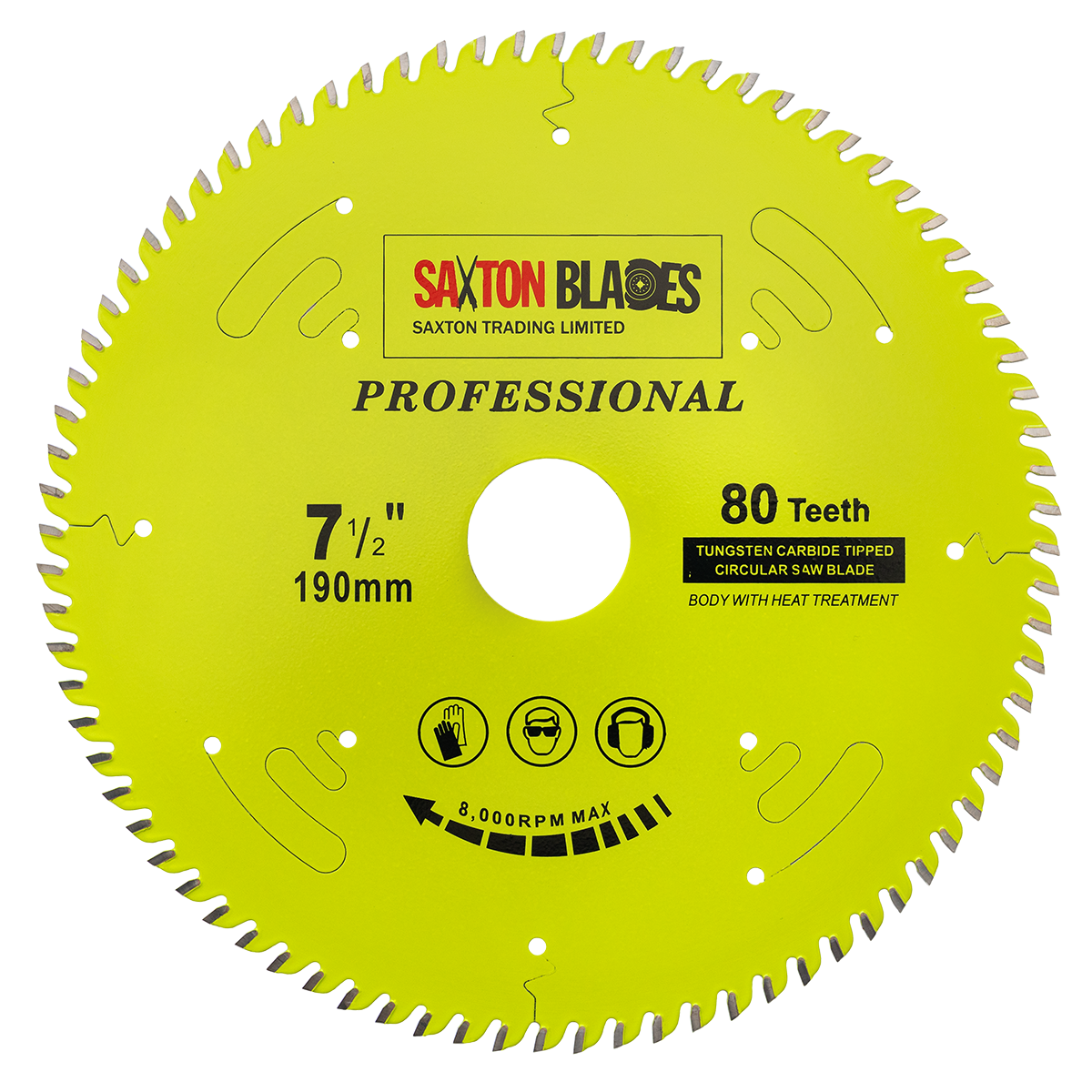
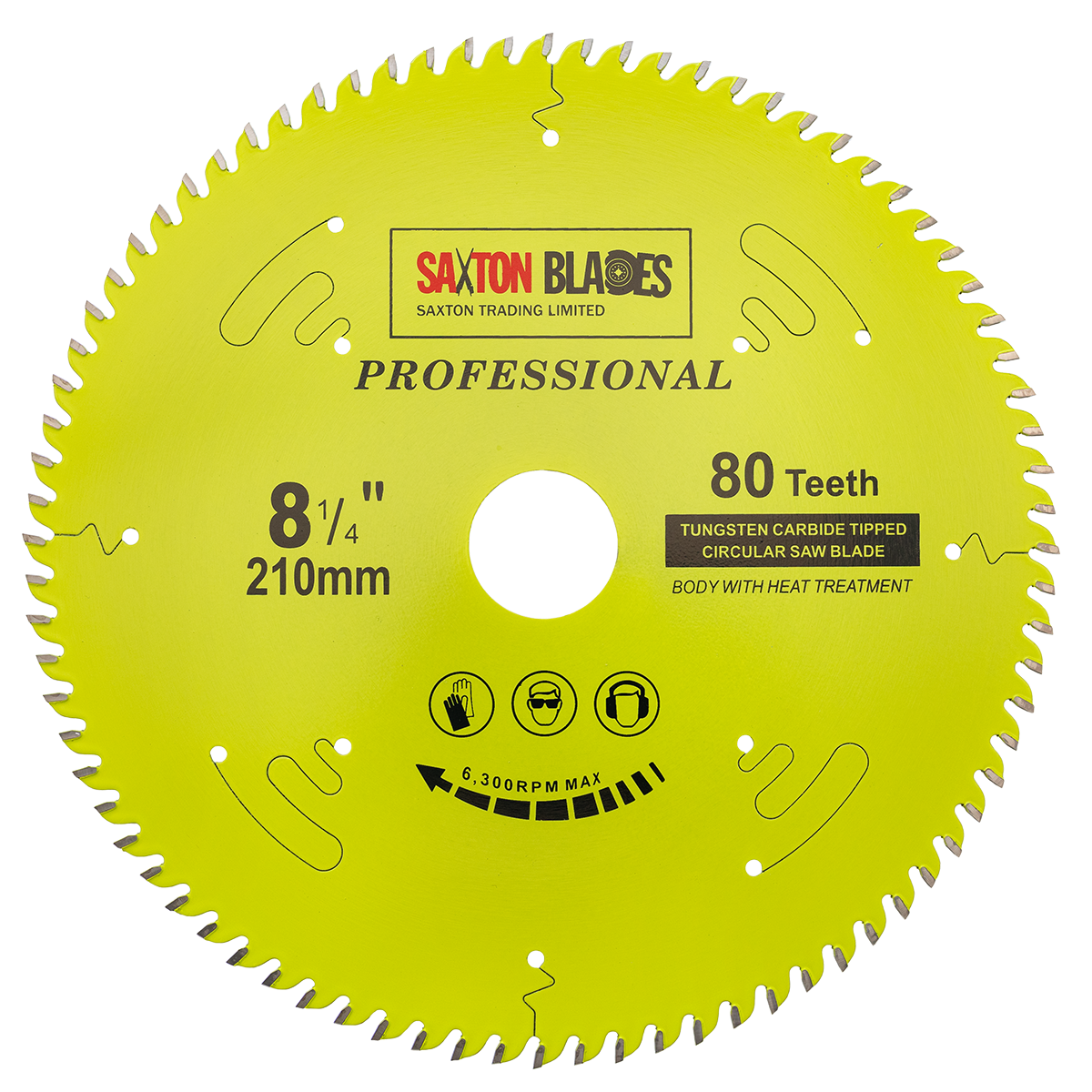
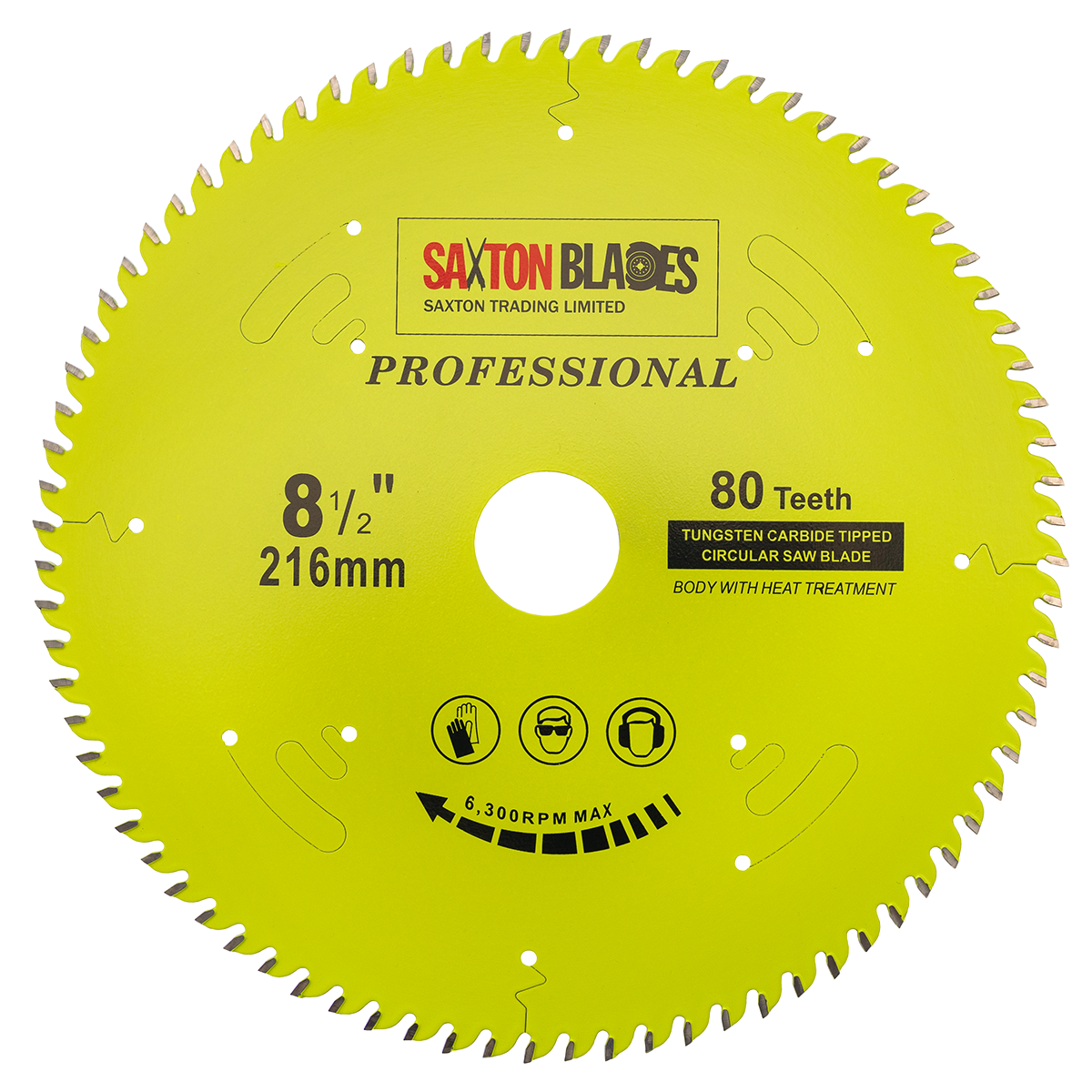
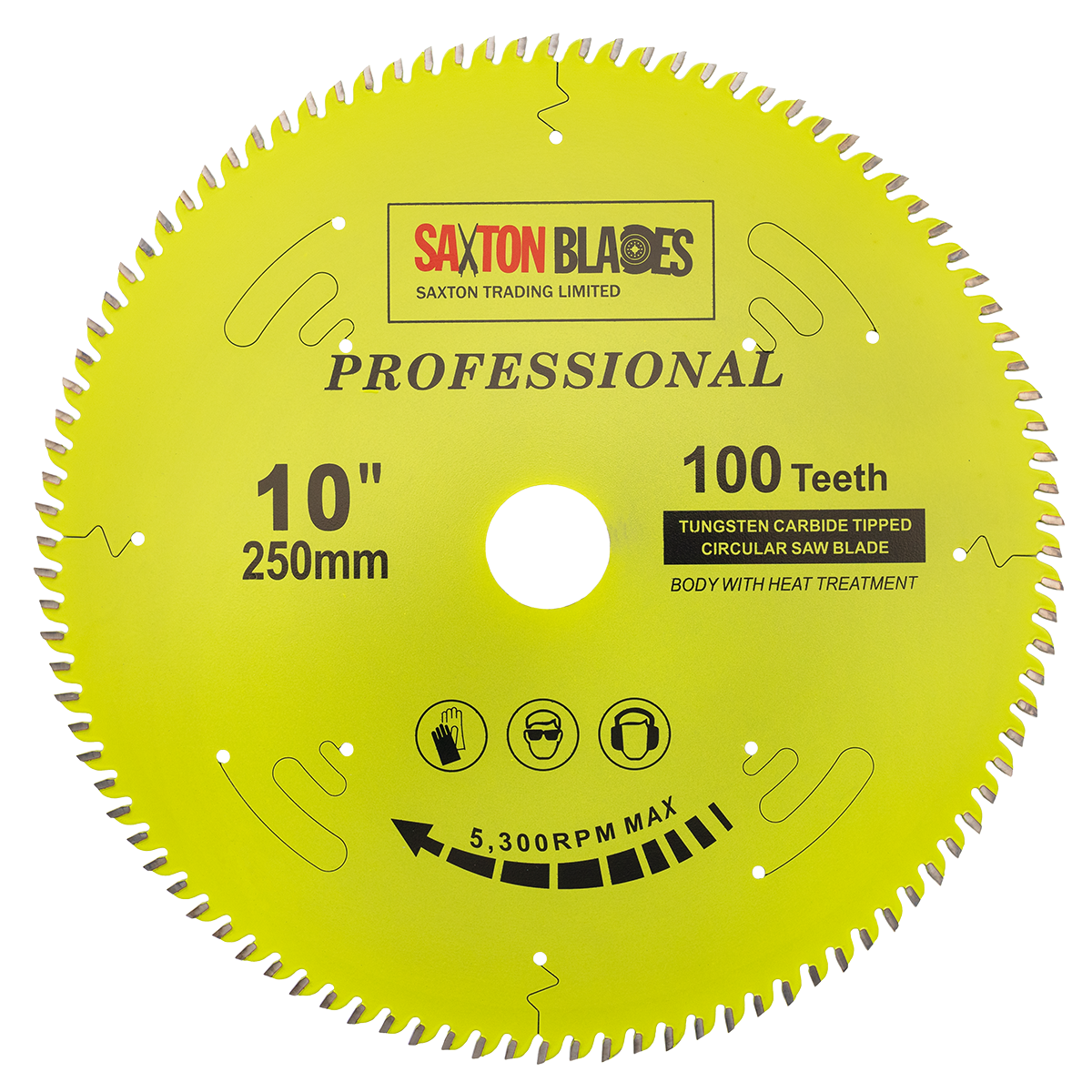
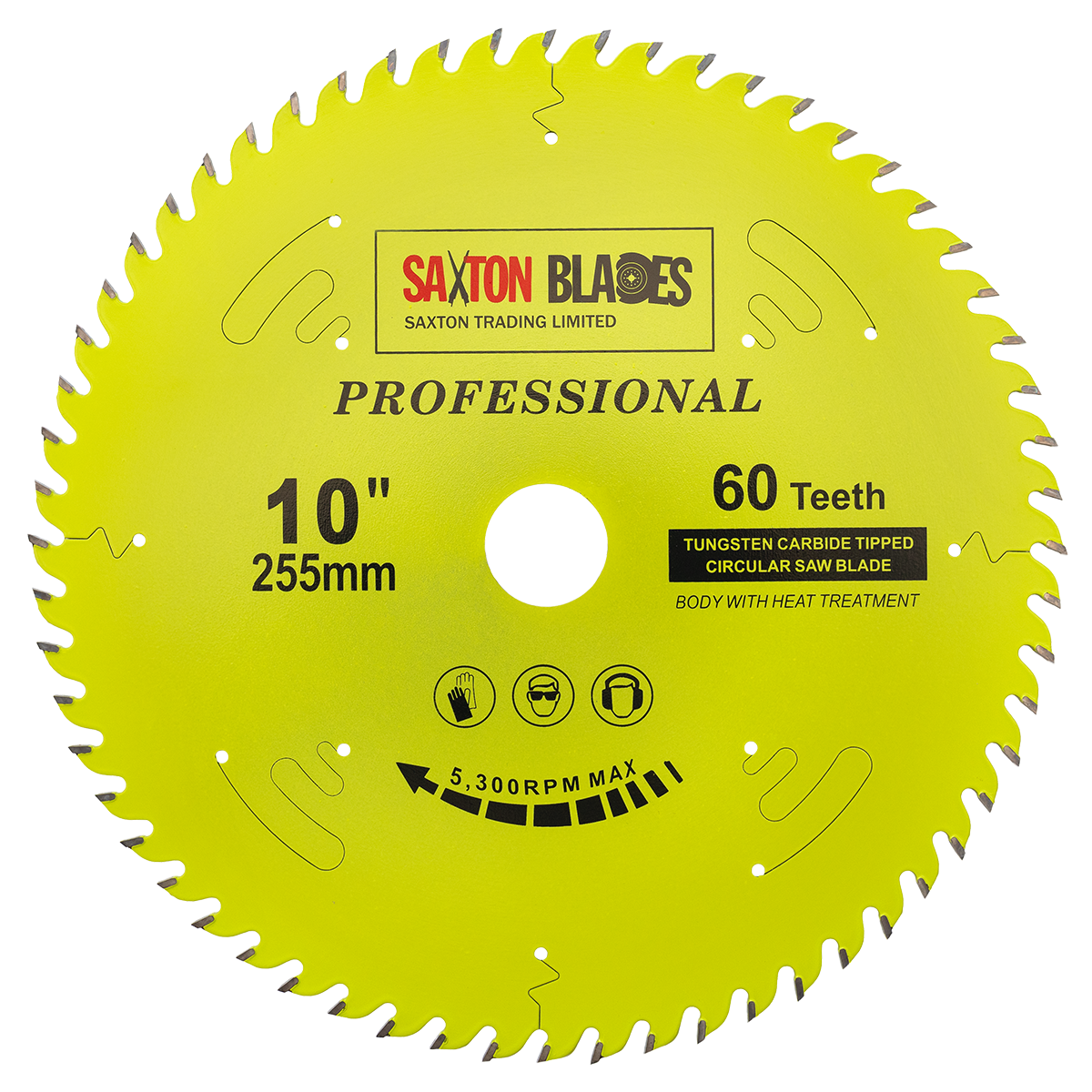
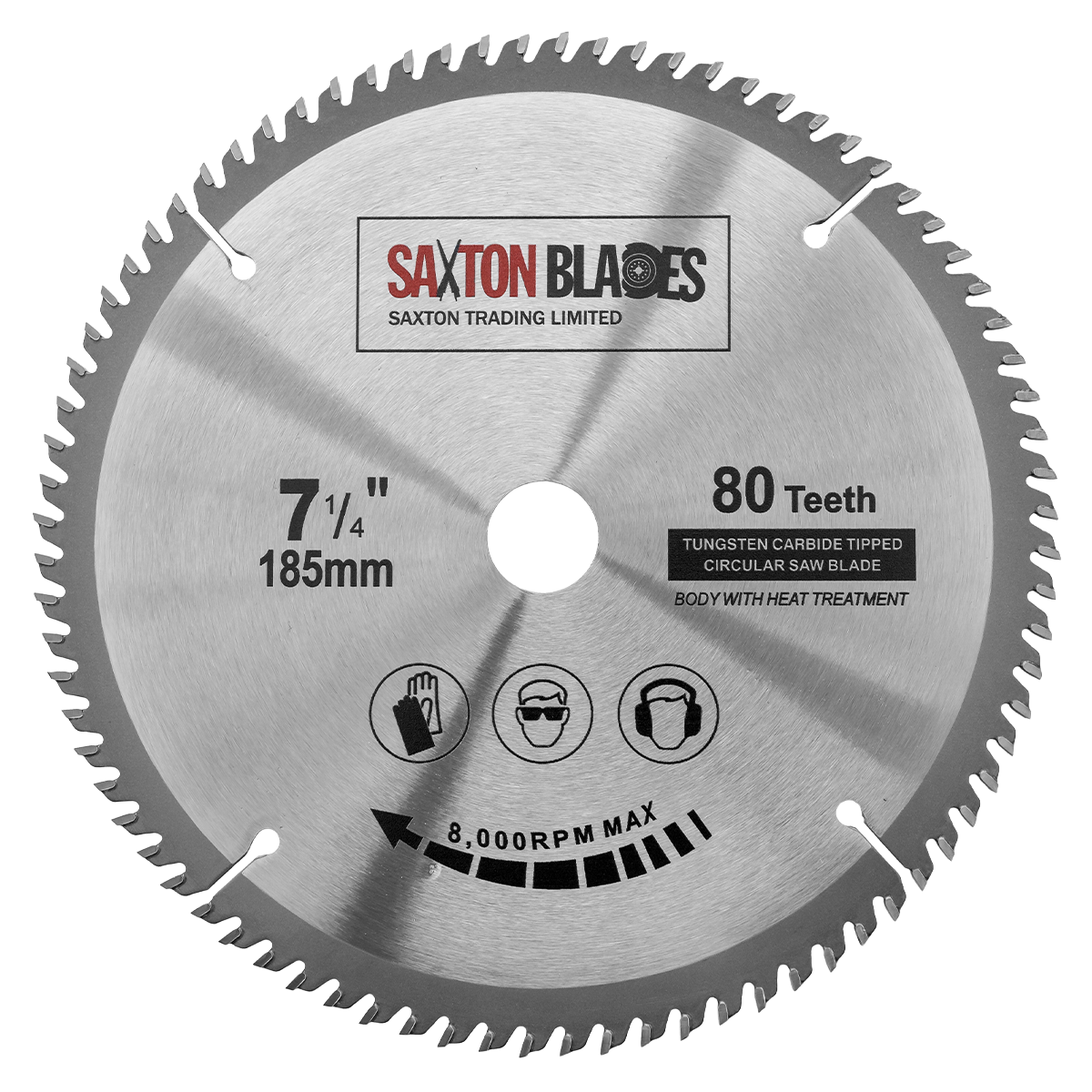
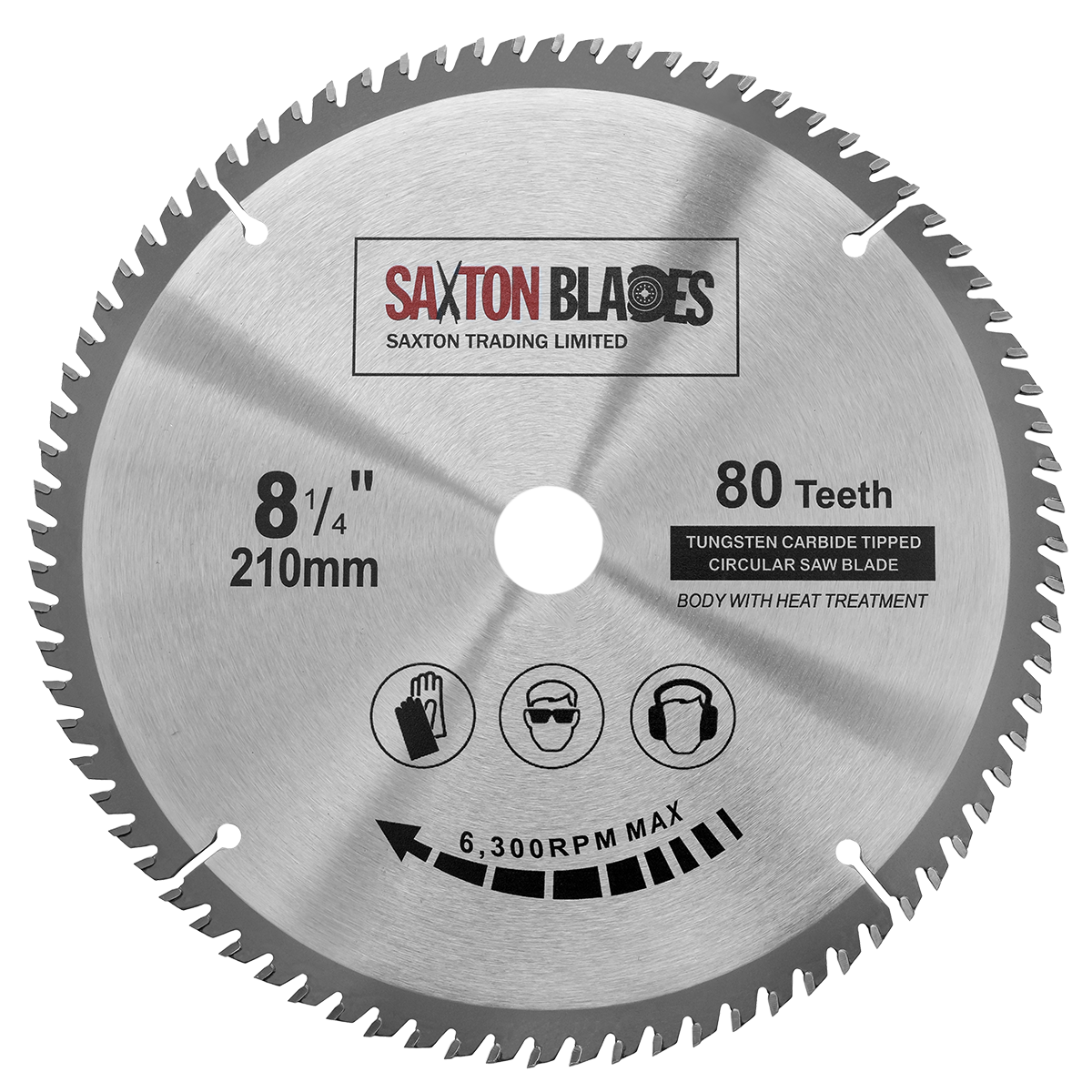
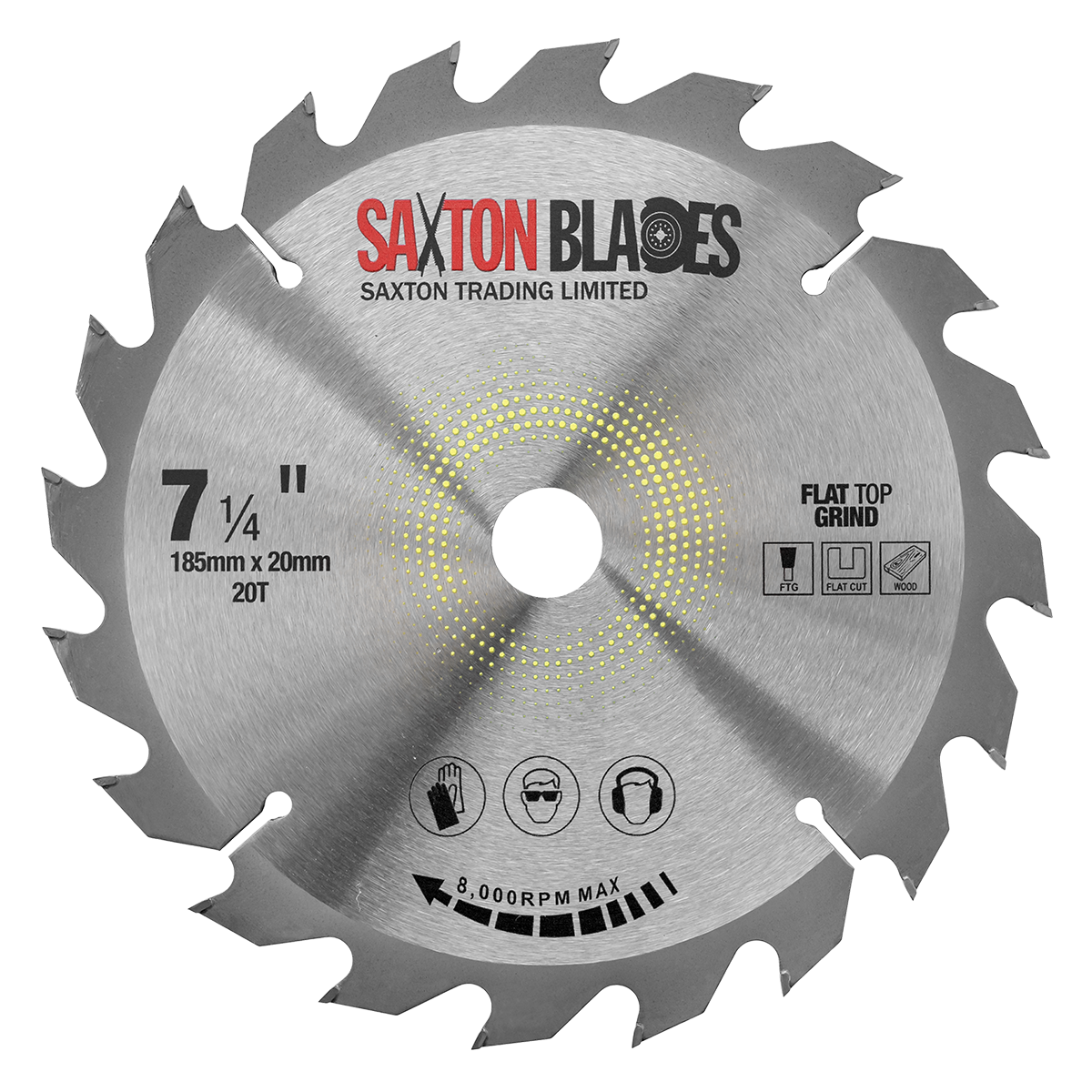
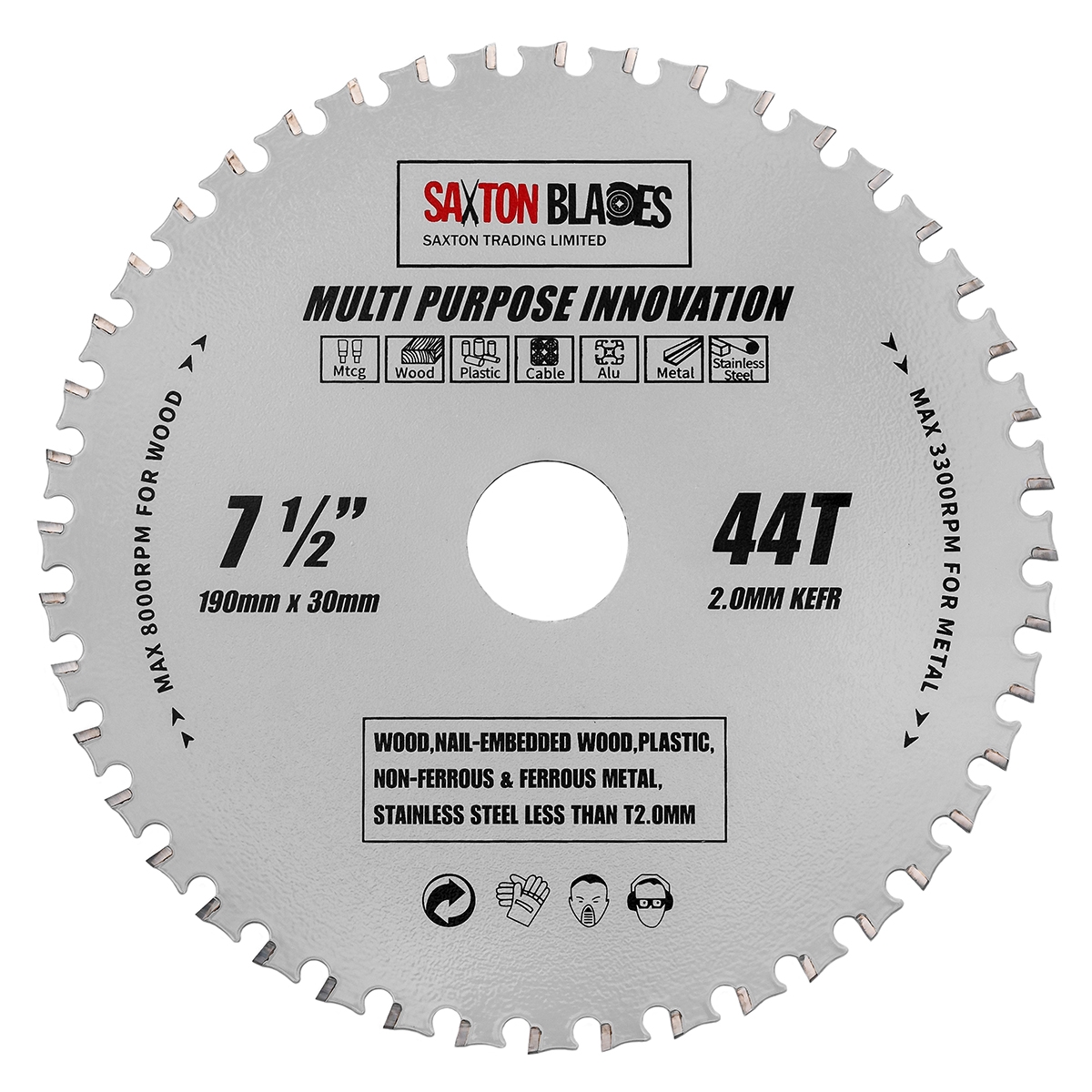
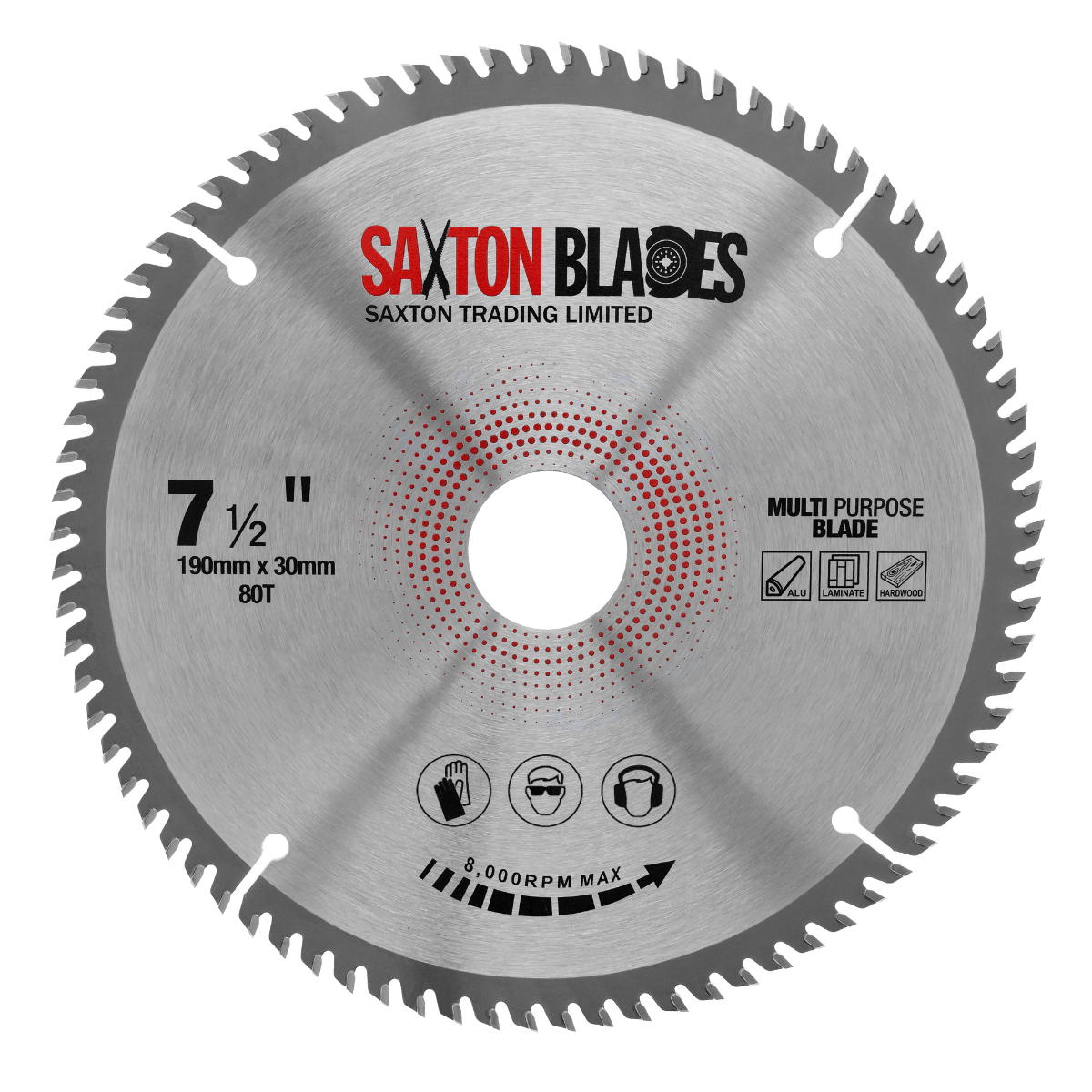
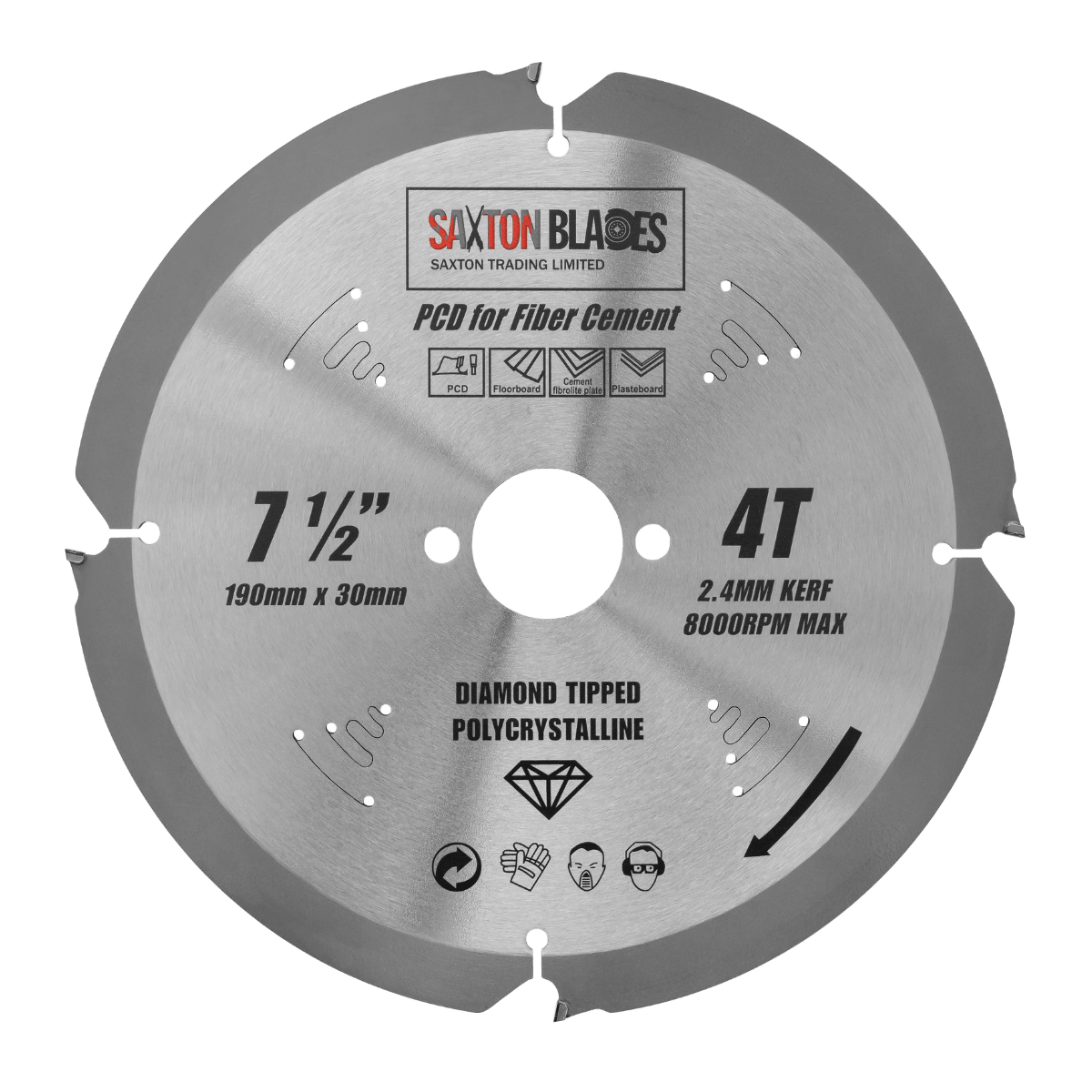
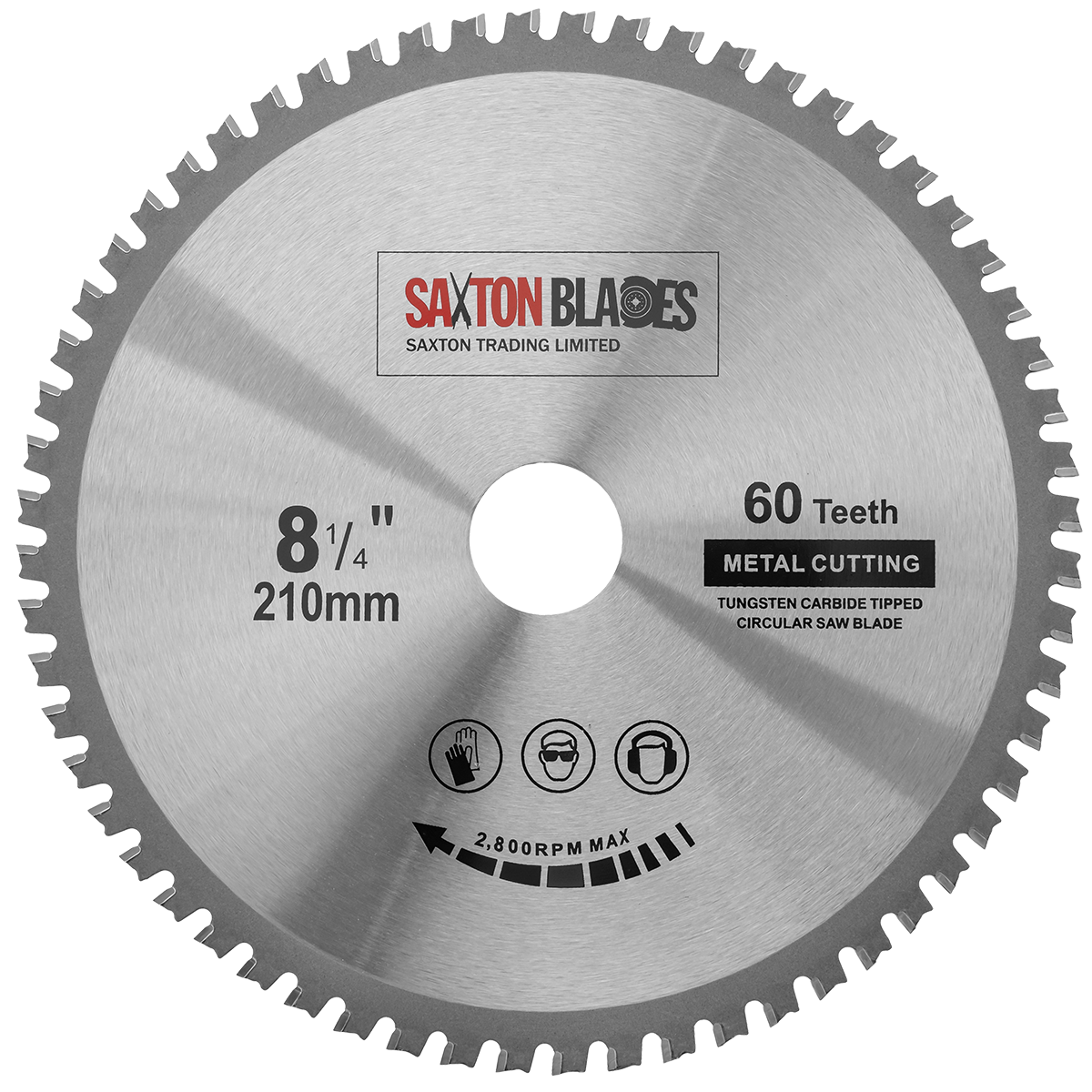
Both are built to fit Evolution machines, both are tungsten carbide-tipped, and both cut a wide range of materials. But an Evolution 185mm saw blade and an Evolution 210mm saw blade are made for different saws, and one of them can do something the other can’t. Here’s how they compare, and how to know which your machine needs.
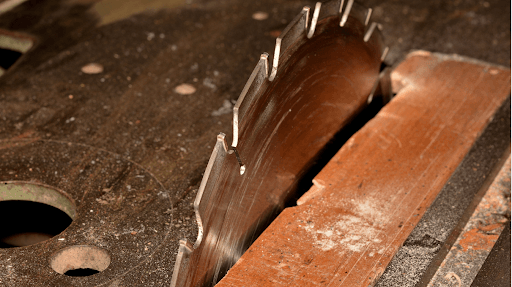
The 185mm Saw Blade and the 210mm Saw Blade fit different saws
This is the first and most important difference, because it usually settles the question for you.
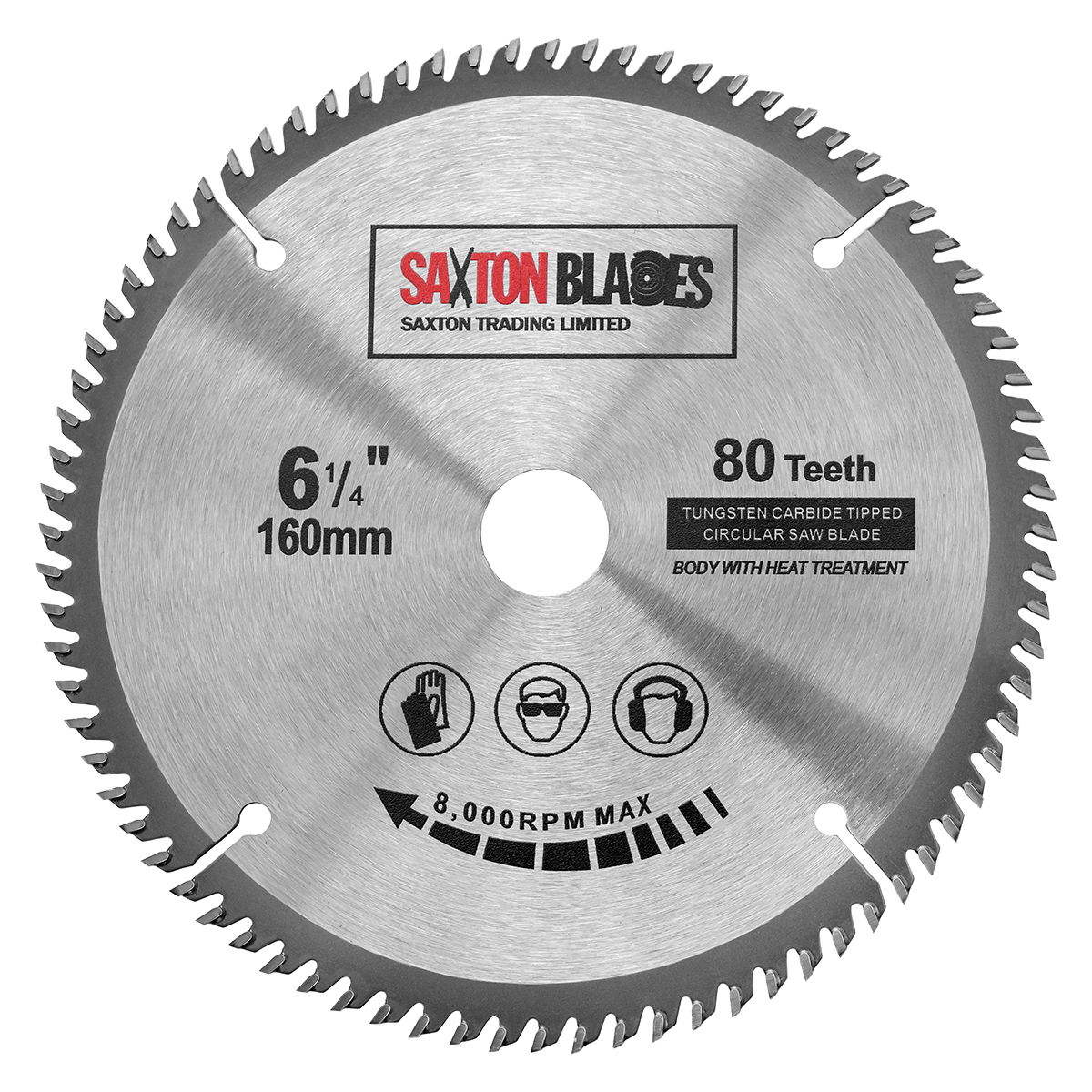
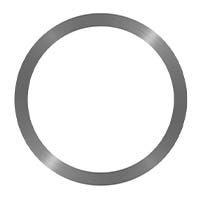
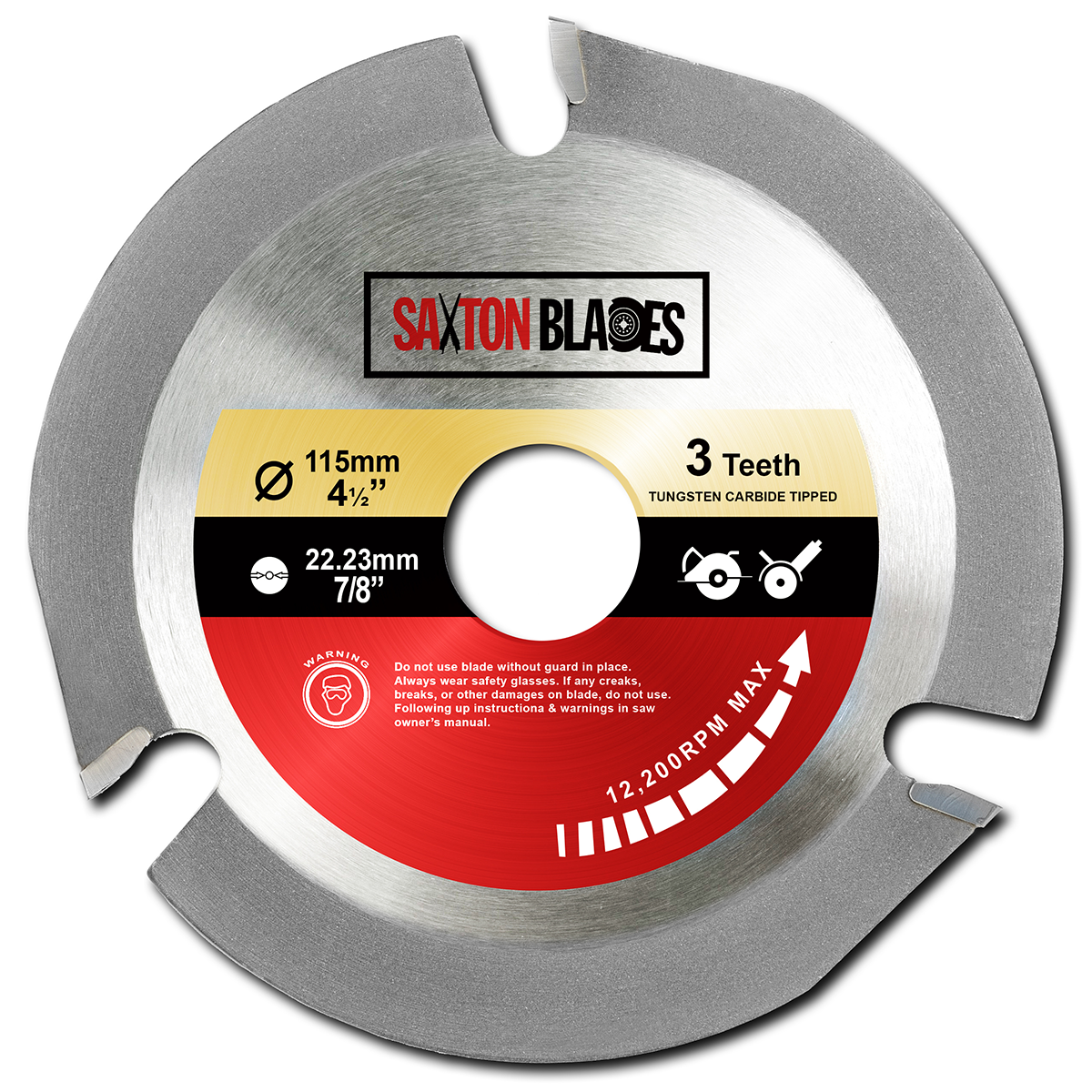
An Evolution 185mm saw blade is sized for handheld circular saws — Evolution’s smaller cordless and corded machines, and any other 185mm handheld. It runs a 20mm bore with a 16mm reduction ring included.
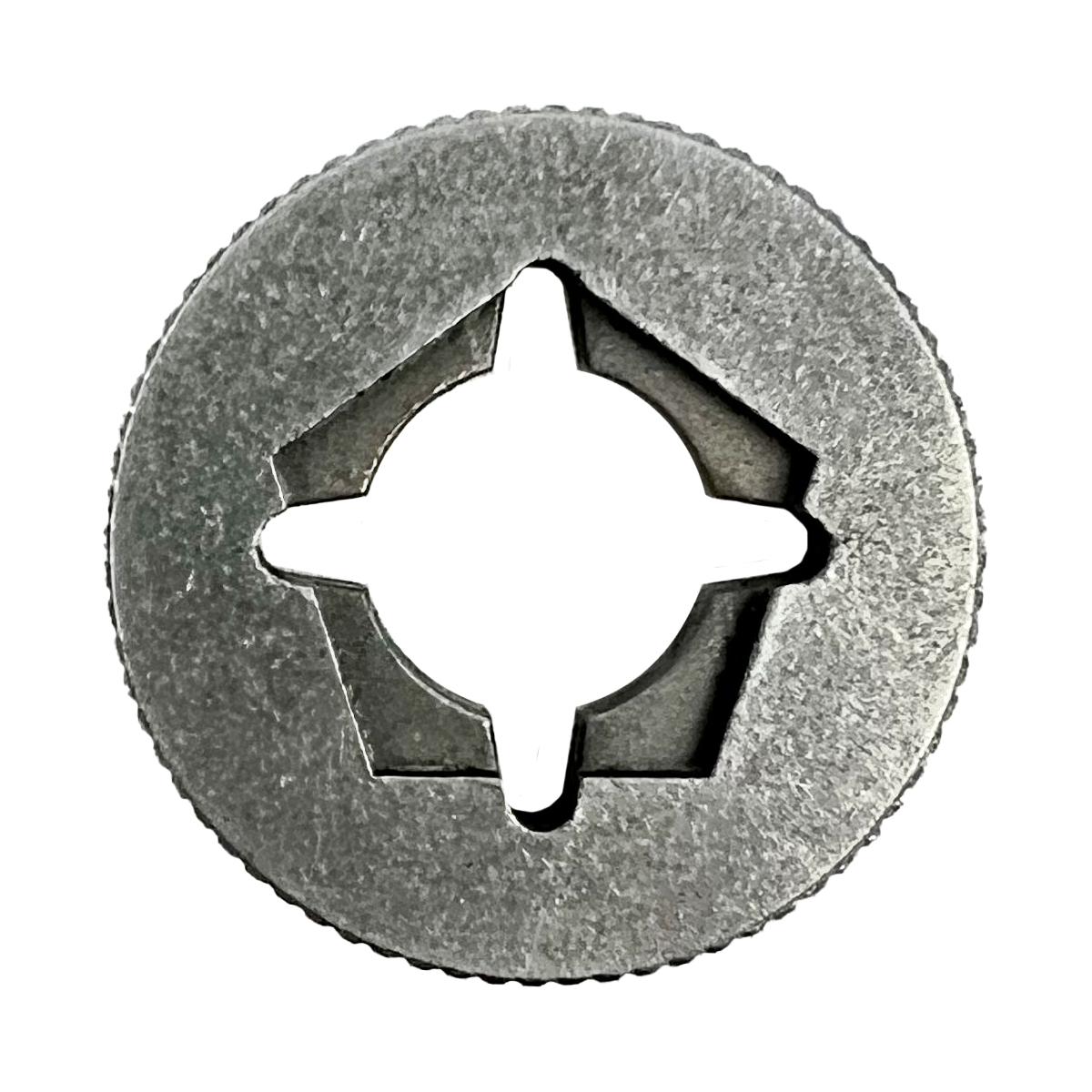
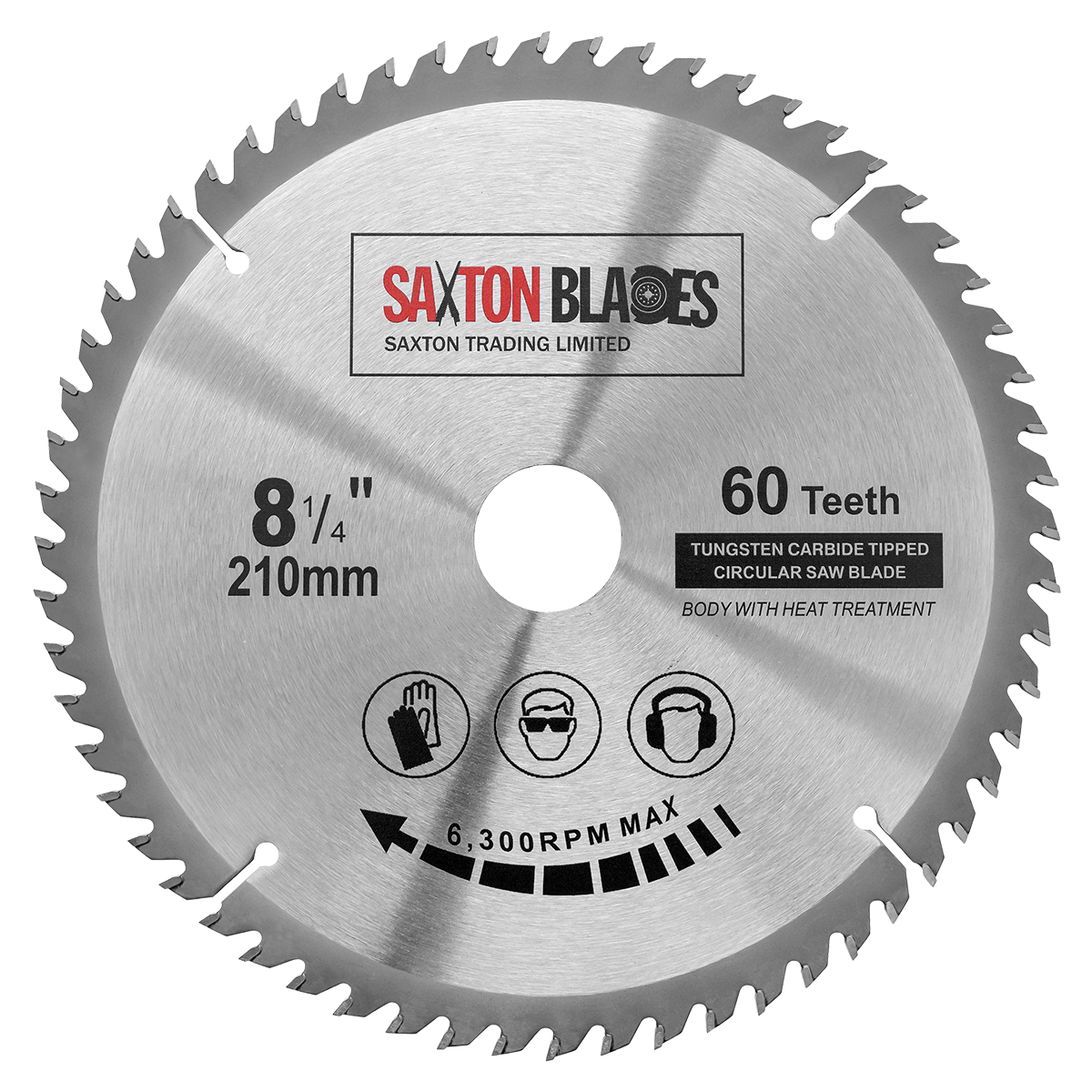
Evolution 210mm saw blades are built for the larger Rage mitre saws and chop saws, and run a 25.4mm (1 inch) bore that drops straight onto the arbor with no ring needed.
Note that the bores are genuinely different: the 20mm on the 185, 25.4mm on the 210, so don’t assume every Evolution blade shares the same fitting. Check the diameter and arbor on your saw’s specification plate, and fit the size printed there.
Cutting Through Metal
The saws that cut steel were the foundation of Evolution’s reputation, and it is at this point that the two ranges diverge.
The range of 210 mm saw blades includes a multi-purpose 48-tooth blade that can cut through ferrous metals, including mild steel, copper and aluminium. It can also cut through timber with nails still in it. This is exactly what a radial mitre saw is designed to do.
The 185 mm saw blade range is different. Its multipurpose blades are designed for non-ferrous metals such as aluminium, brass and copper, as well as plastics and composite decking. They are not intended for use with steel. Therefore, if you own an Evolution for cutting steel, it is the 210 mm range that you need; the 185 mm handheld range is not suitable for this purpose.
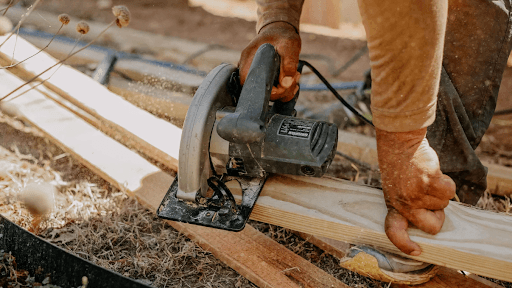
Depth, Capacity, and Portability of the 185mm and the 210mm Saw Blades
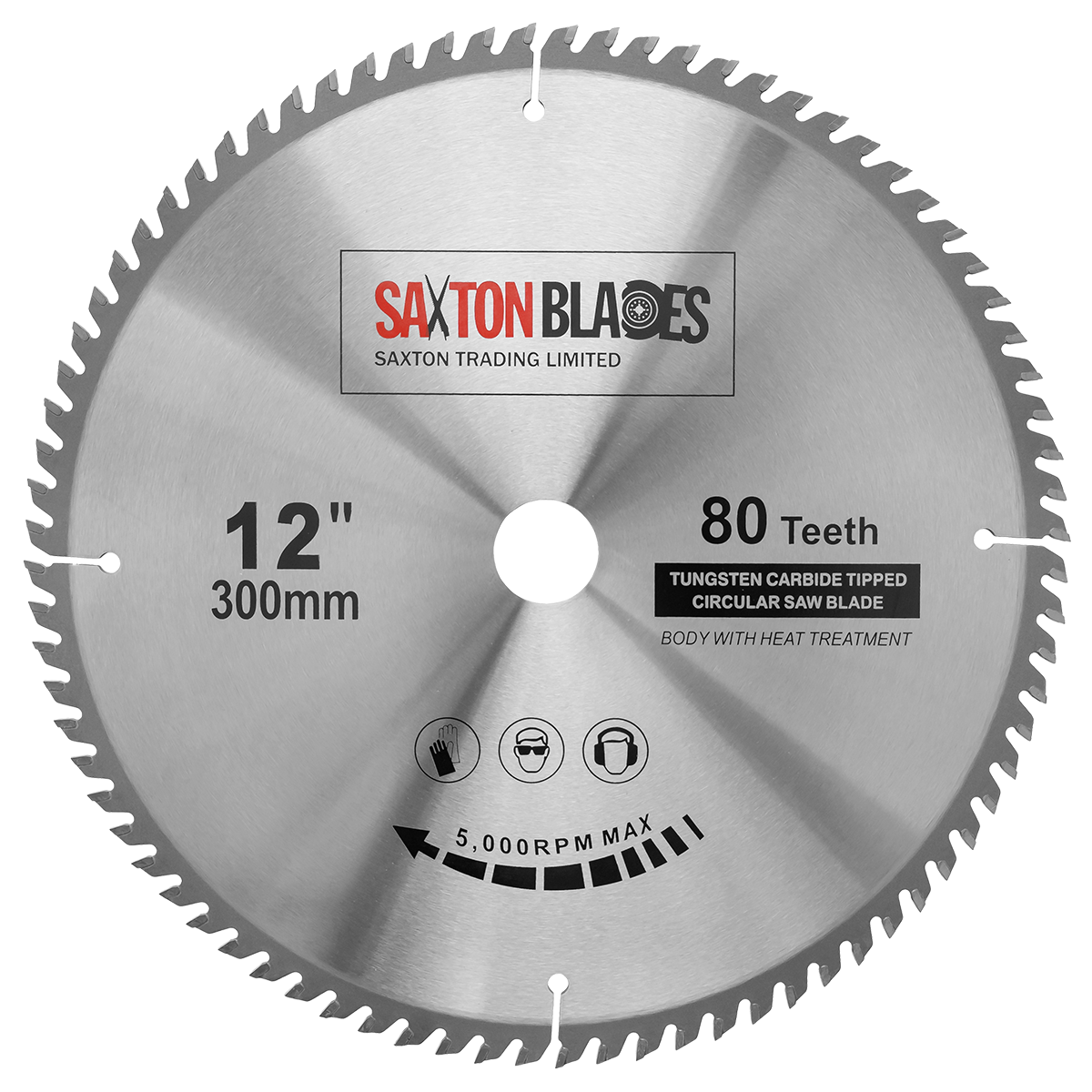
The larger 210 mm diameter provides greater cutting depth, and the mitre and chop saws it fits are designed for cutting deeper and wider sections, such as structural timber, stair parts and larger stock on a fixed bench.
The advantage of the 185mm blade is the opposite: a handheld saw is light, portable and quick to use, making it ideal for breaking down sheet goods, decking and general cutting on site.
The specialist options
Both ranges cover the core grinds, offering a flat top for ripping, an ATB for clean general cutting and triple-chip multi-purpose blades. There is also a negative rake option for controlled finish cuts. Both ranges offer money-saving twin and triple packs.
Each range has a feature that the other doesn’t. The 210 mm range features a ferrous-metal blade. The 185 mm range has a PCD (polycrystalline diamond) blade designed for fibre cement and Hardie board.
Still deciding?
Browse the full range of Evolution circular saw blades, or call us on 0800 170 7222. Tell us your machine, and we’ll confirm the right diameter and bore before you order.