
In short, a flat top grind saw blade is built to do one thing better than any other blade, which is to rip through timber as fast. The name describes the shape of the teeth: flat and square across the top, and no bevel. This simple geometry is what makes it the tool of choice for cutting down the grain.
What Does “Flat Top Grind” Mean
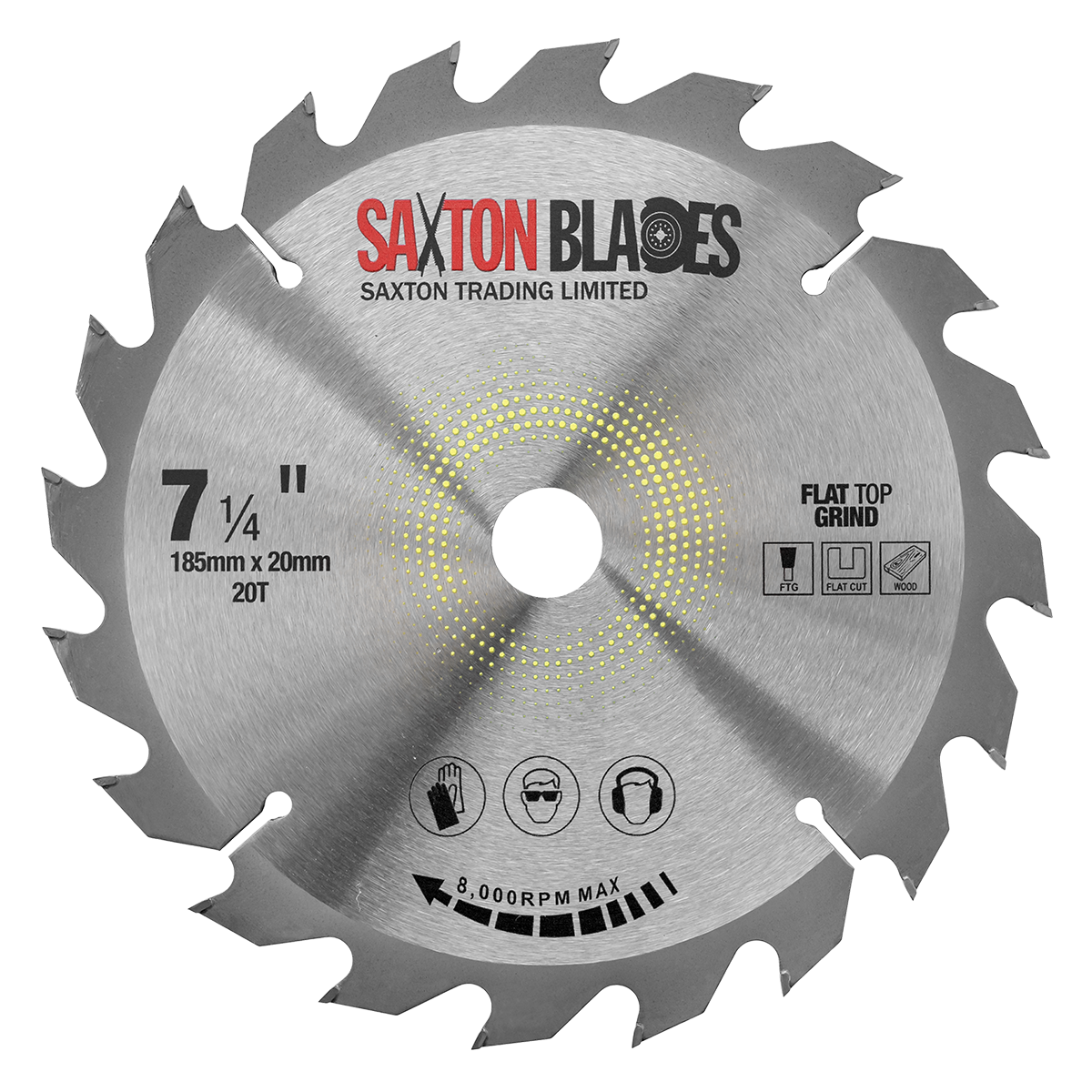
On most blades, the teeth are ground at an angle. On a flat top grind (FTG) blade, they aren’t: the top edge of each tooth sits square to the plate, straight across, so every tooth is identical and flat-topped.
That shape makes each tooth behave like a tiny chisel. Rather than slicing at an angle, it drives straight into the timber and shears the fibers off cleanly in line with the cut. Across a whole blade, that chiselling action clears waste quickly and with very little fuss.
What a Flat Top Grind Blade is For
Cutting Along the Grain
This is the FTG blade’s home ground. When you’re cutting board down its length, the fibers run in the same direction as the cut, and the flat, square teeth power through them efficiently. It’s fast, it stays cool, and the low tooth count leaves big gullets to clear the chips. For breaking down softwood, sawn timber, and sheet stock into narrower pieces.
Flat-Bottomed Grooves and Rebates
There’s a second, less obvious use. Because the teeth are flat across the top, they leave a groove with a clean, flat, square bottom. A bevelled blade can’t do that, since it leaves small peaks along the base of the cut.
When to Use Something Else
The trade-off is finish across the grain. A flat top blade doesn’t score surface fibers ahead of the cut the way an angled tooth does, so on crosscuts, and especially on veneered or laminated faces, it can leave the edge rougher, with more tear-out.
For clean crosscutting and finish work, an ATB (alternate top bevel) blade is the better choice; its angled teeth slice the fibers cleanly and leave a crisp edge. The simplest way to think about it is that the flat-top grind is for speed along the grain, and the ATB is for a clean face across it.
Flat Top Grind Blades
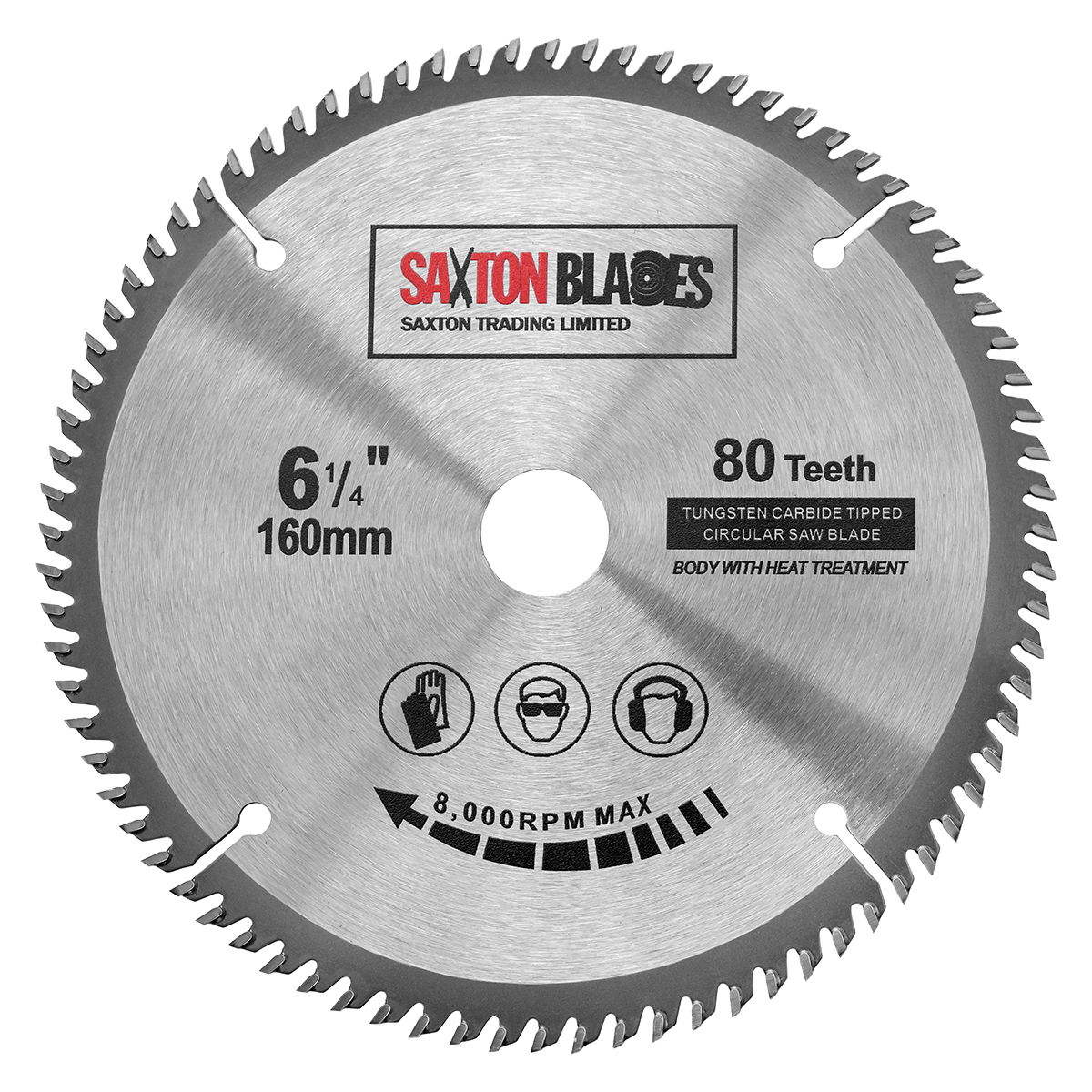
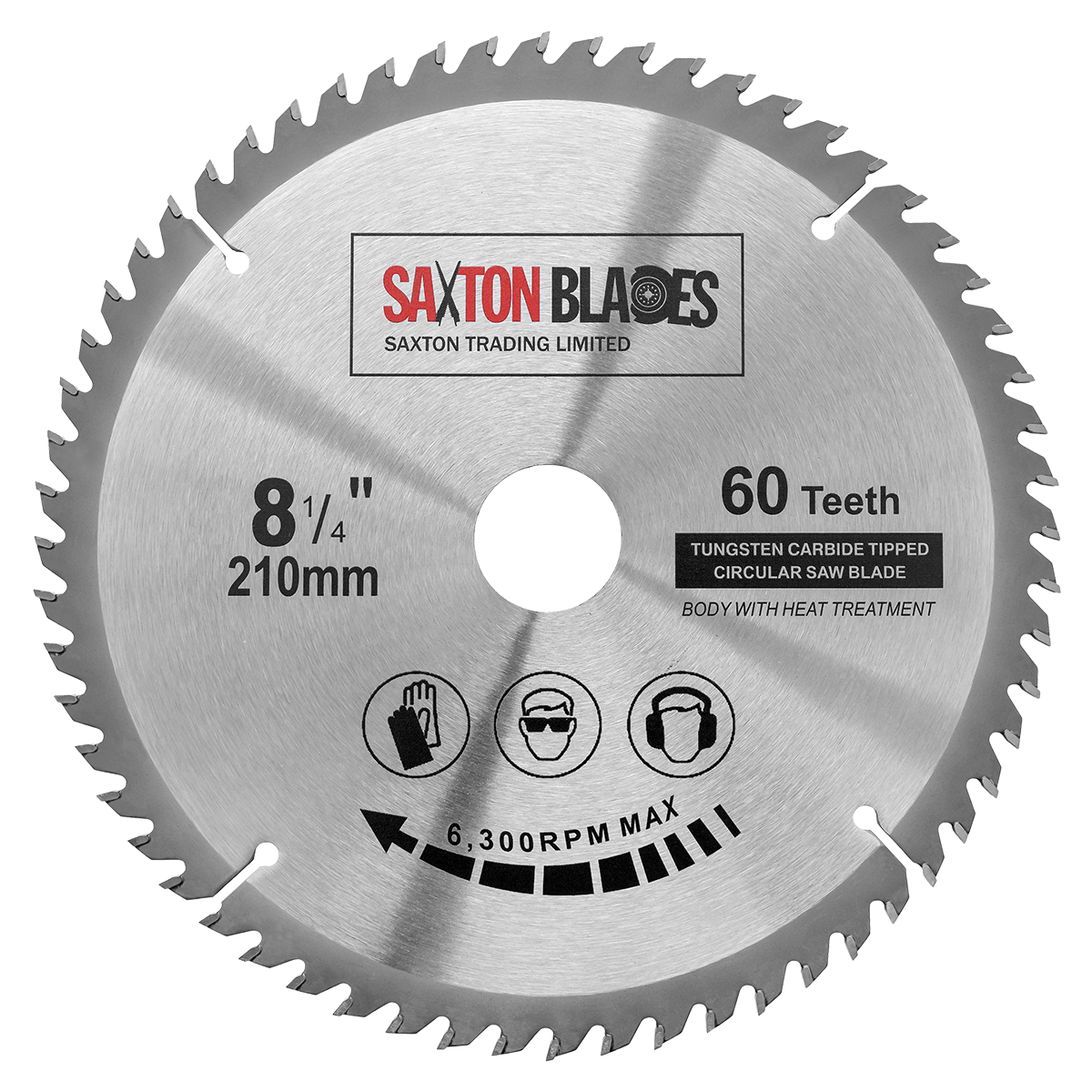
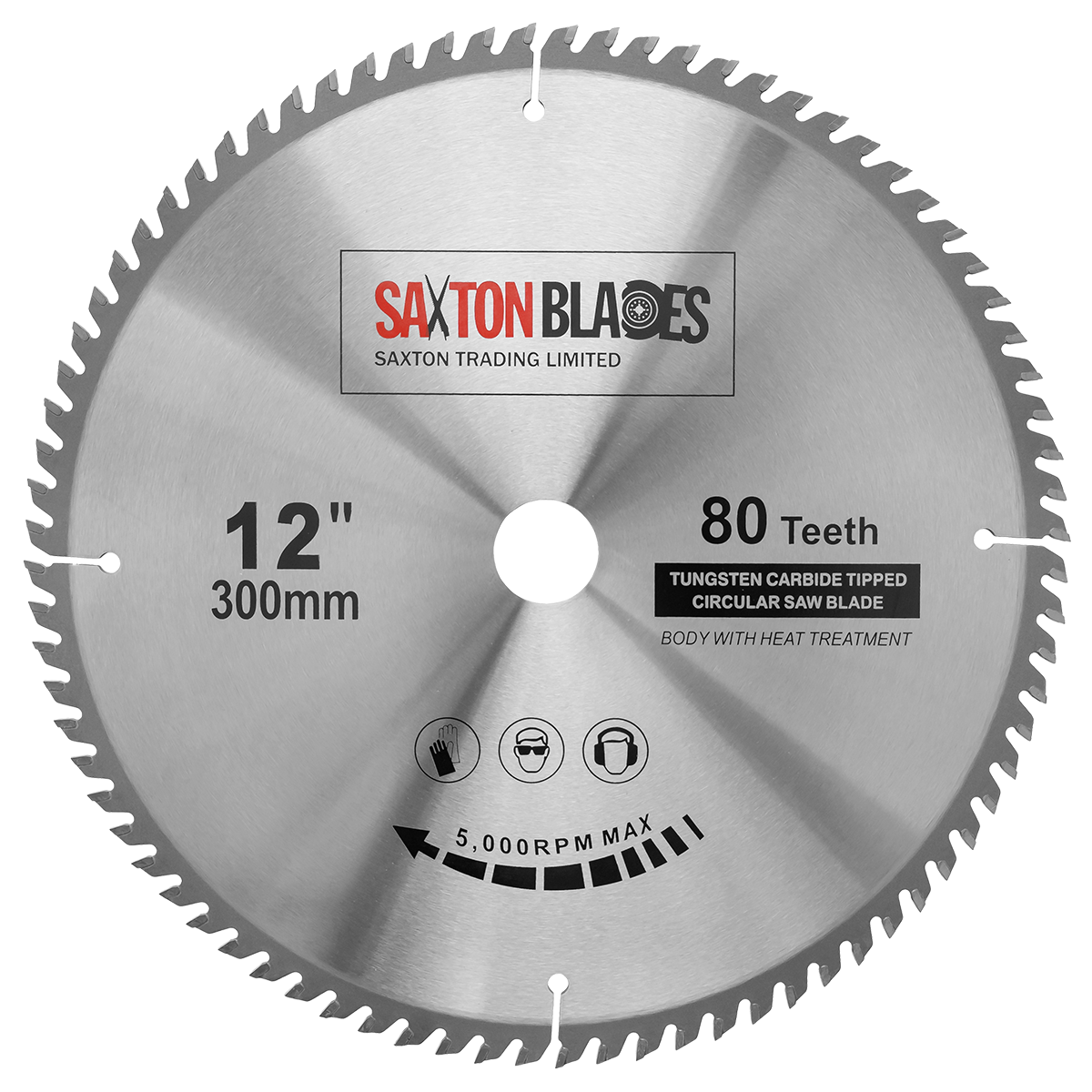
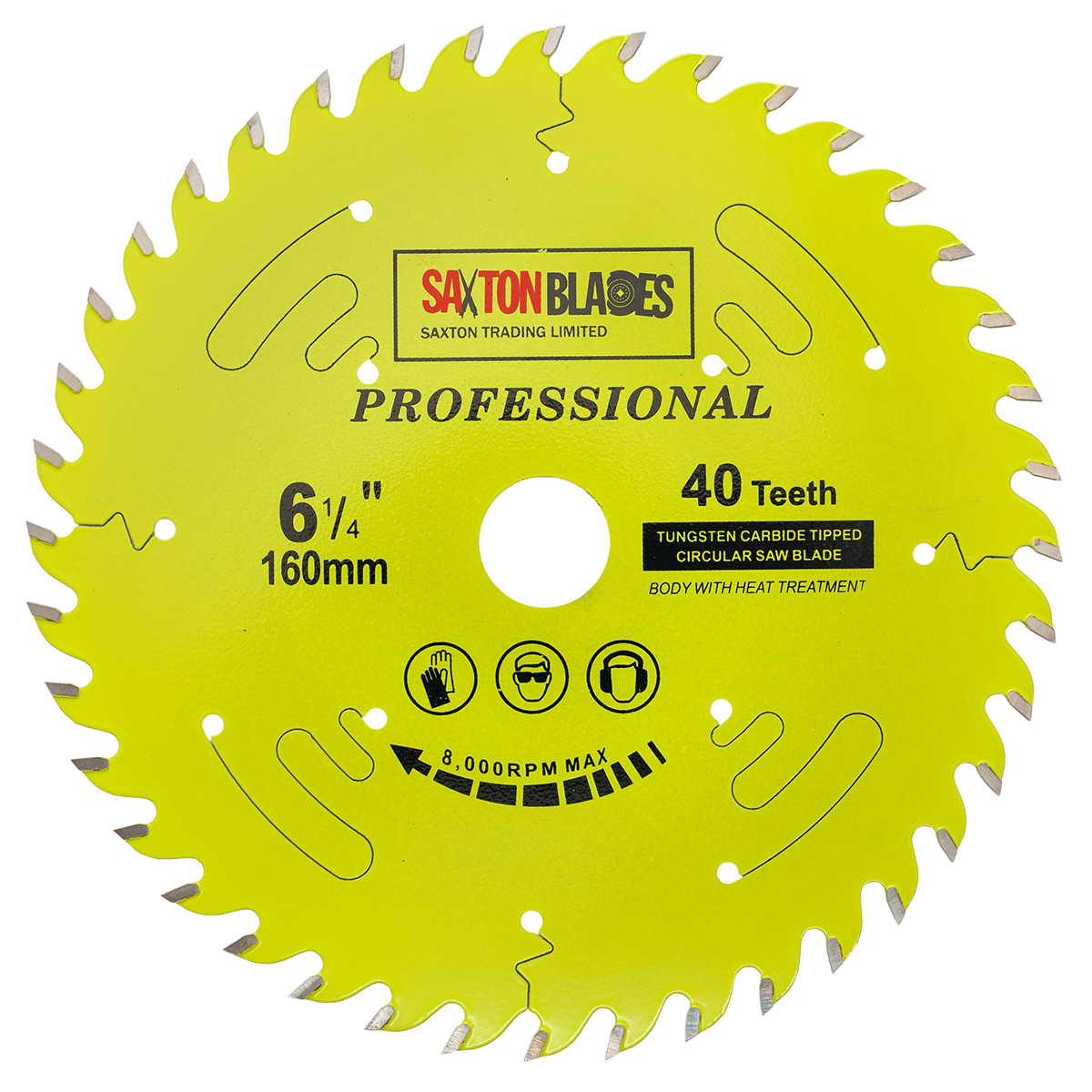
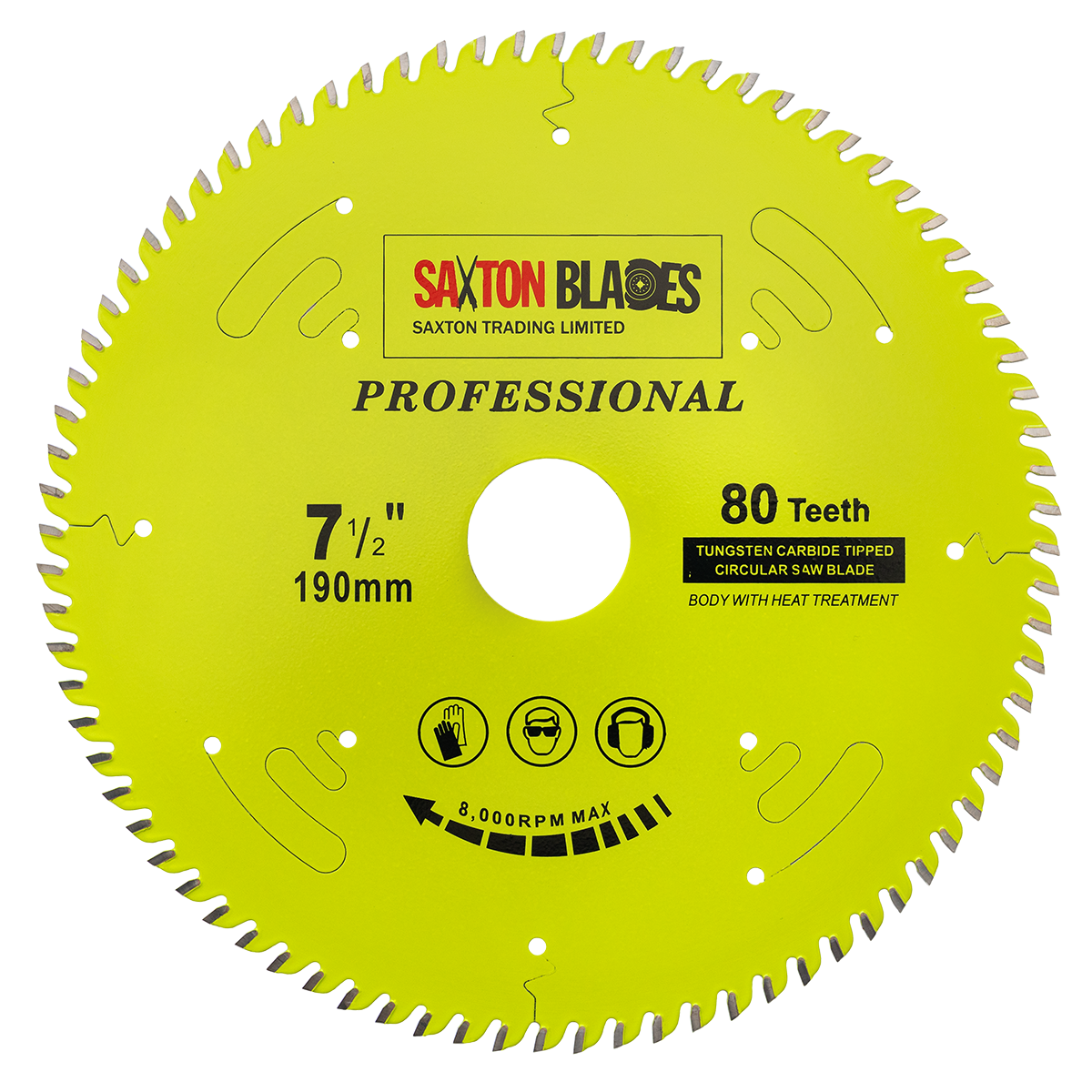
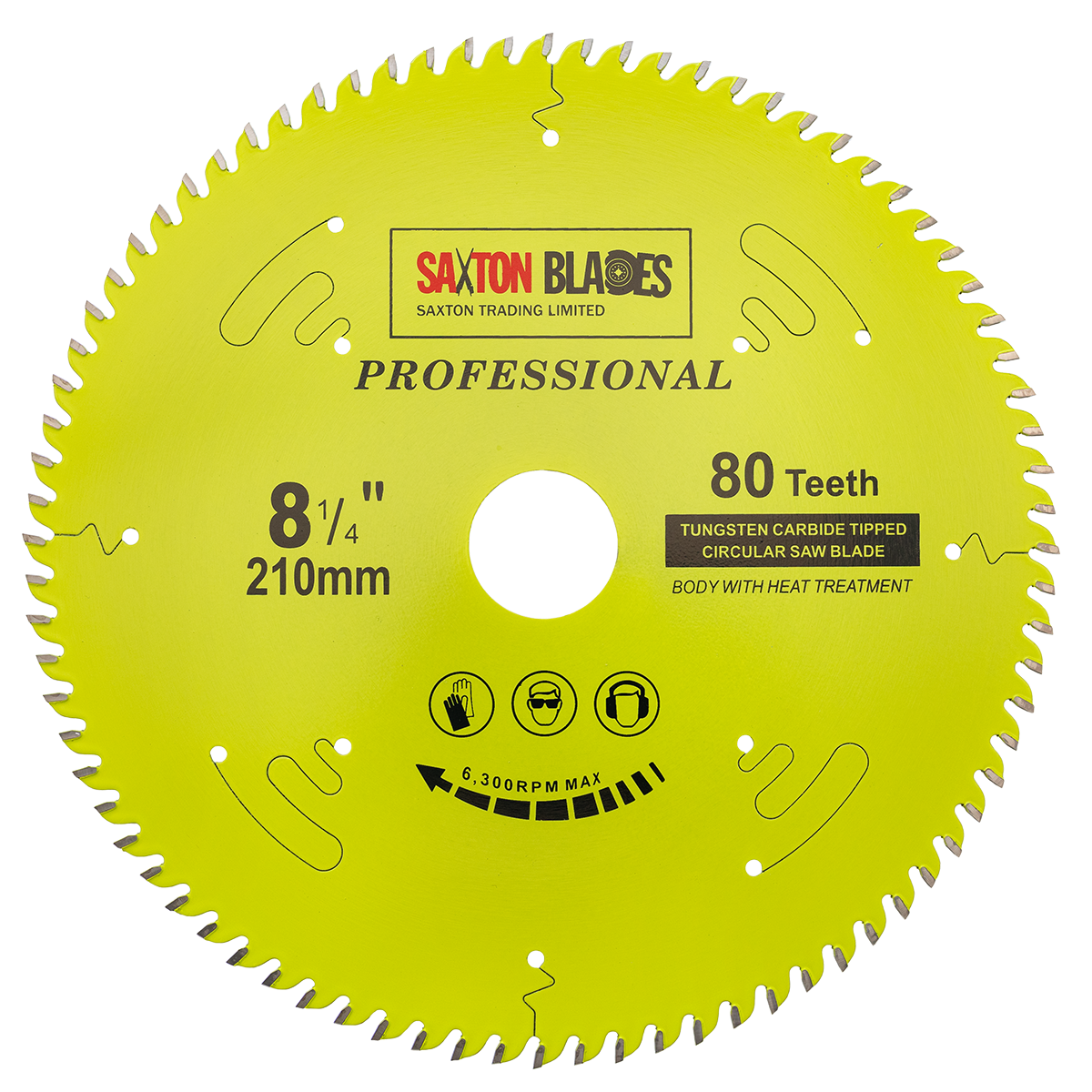
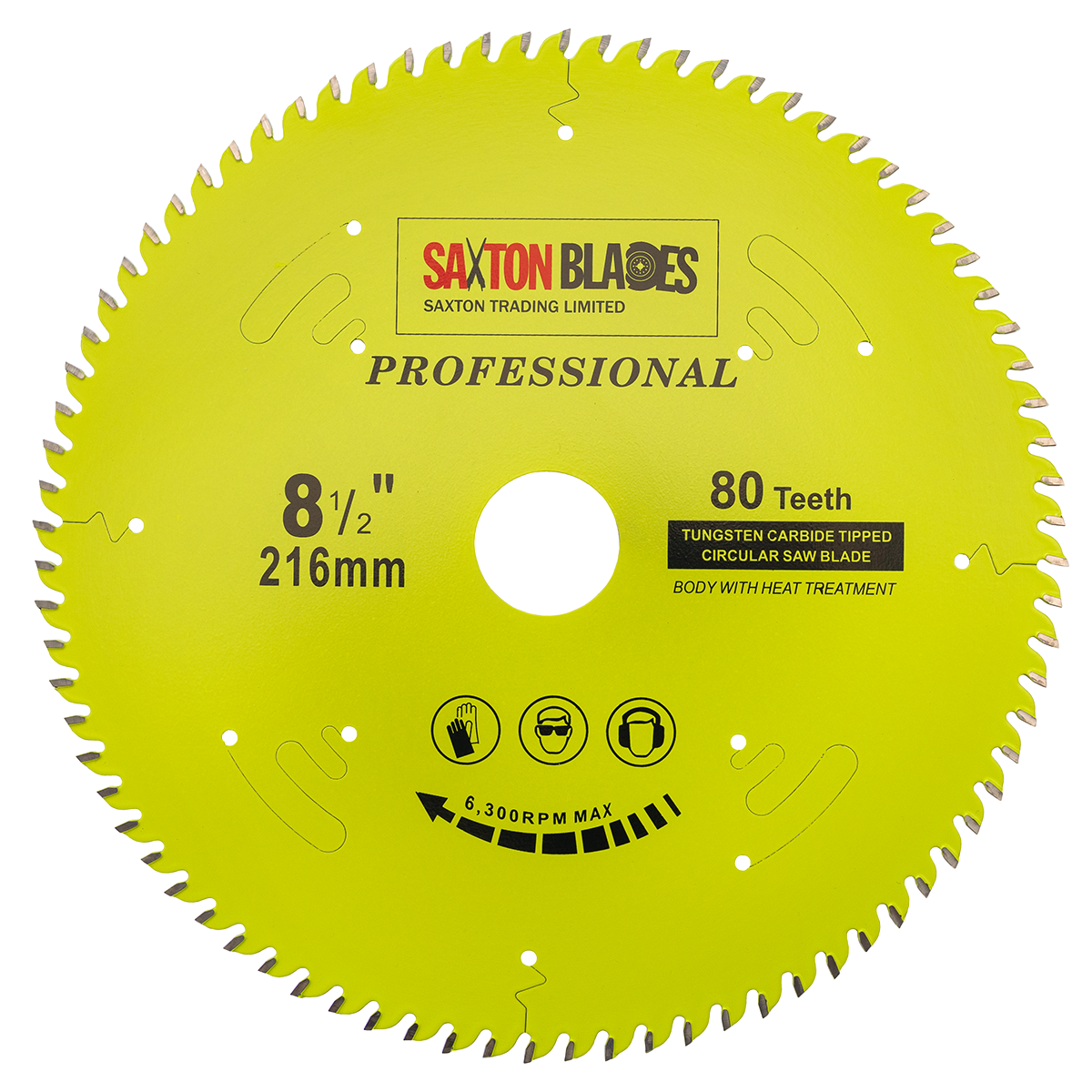
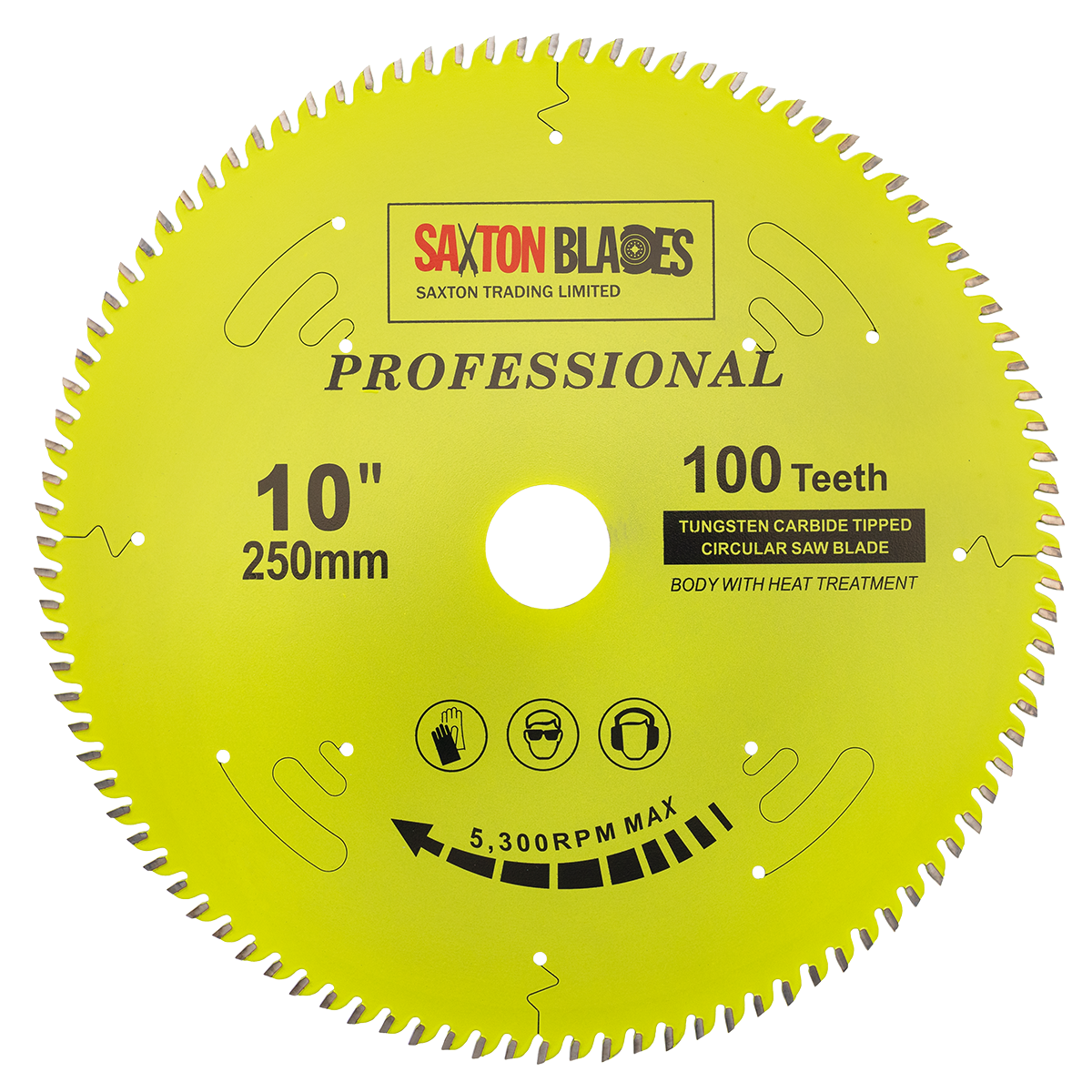
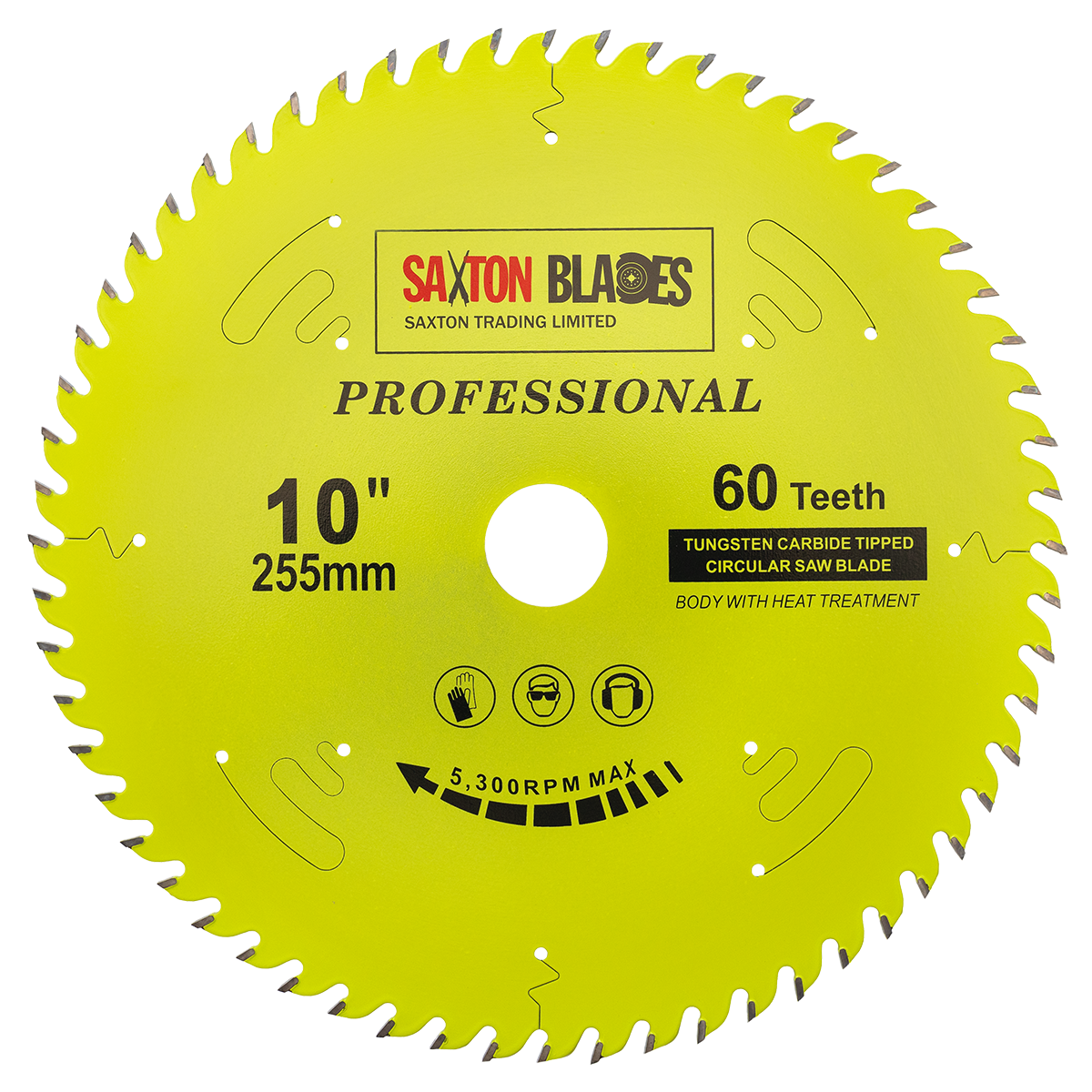
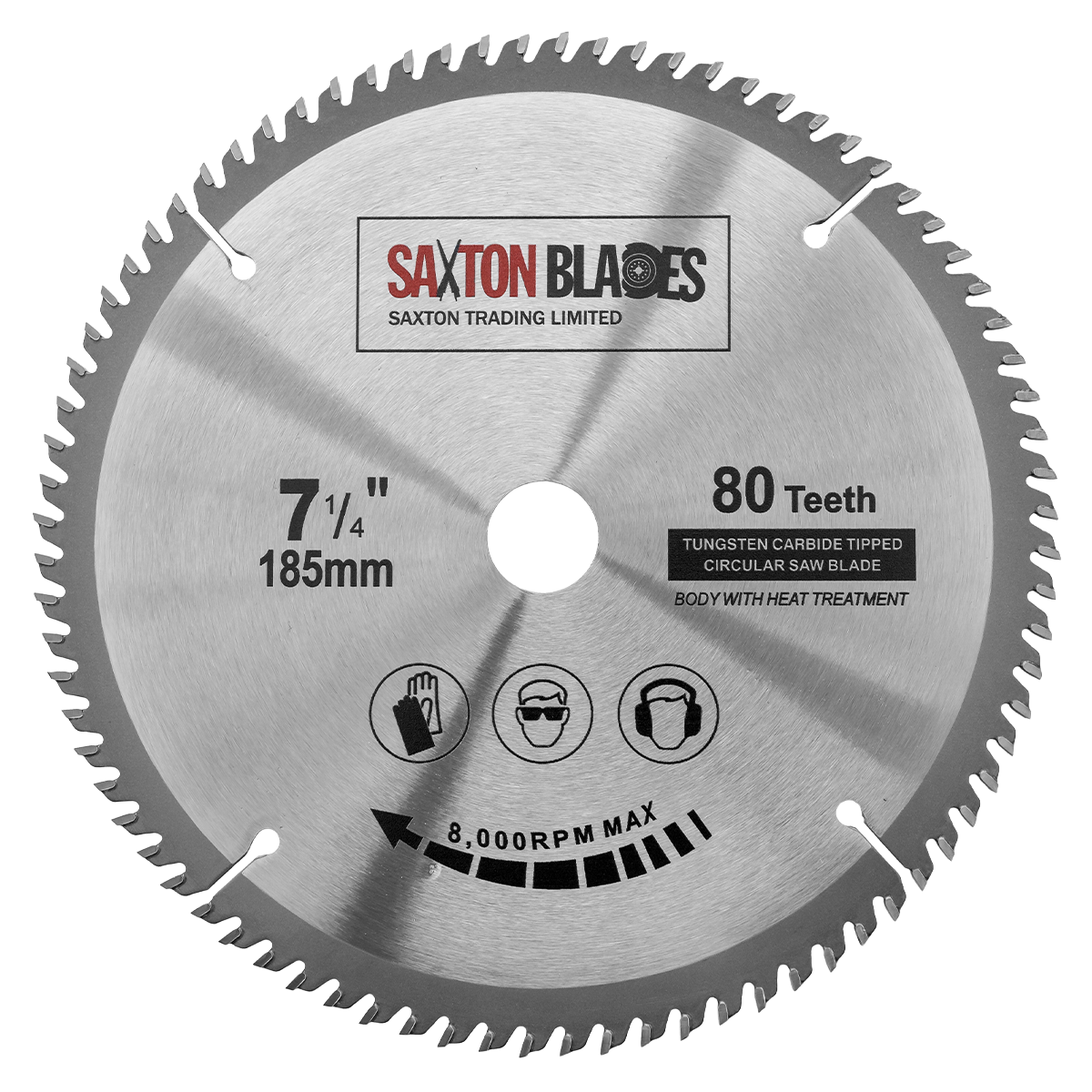
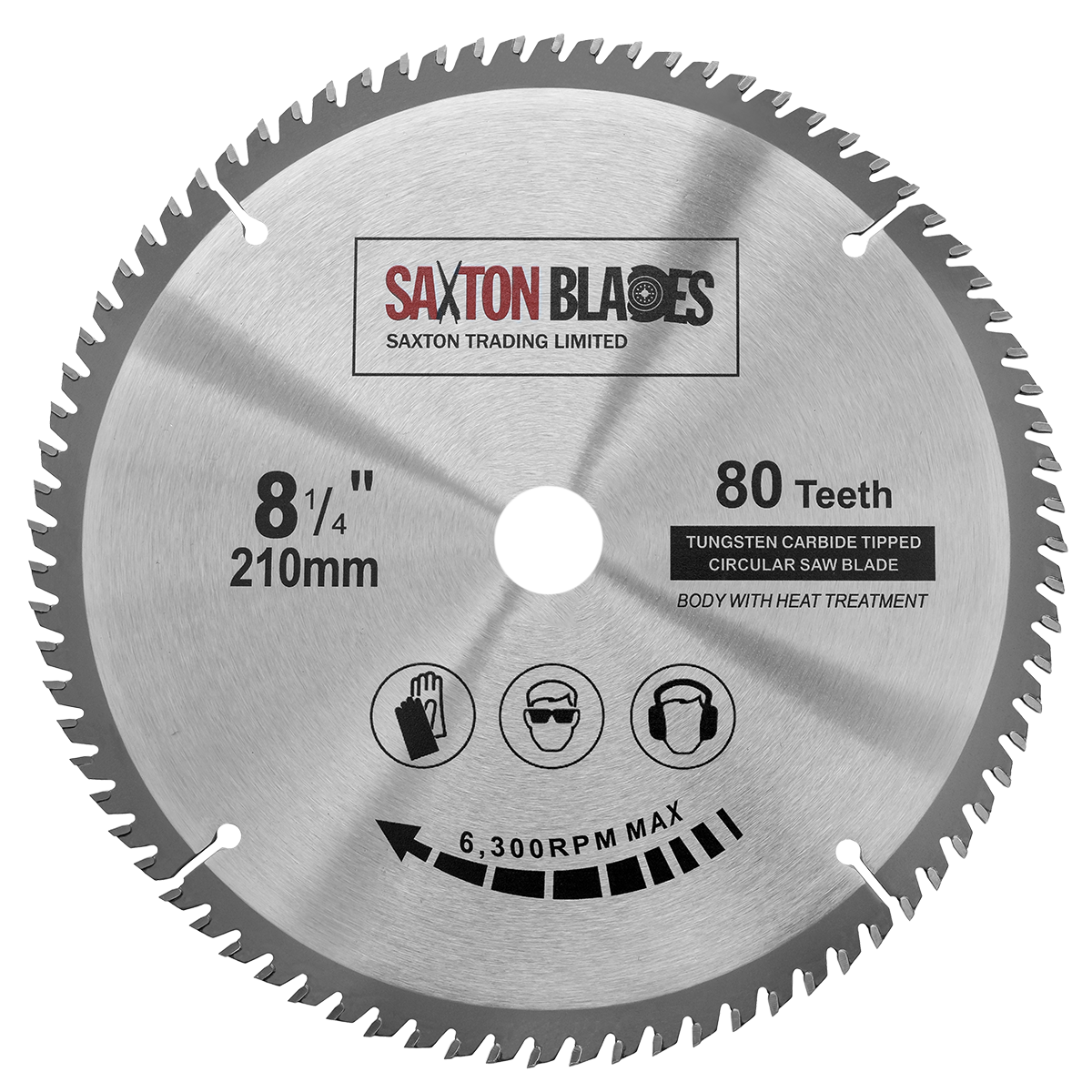
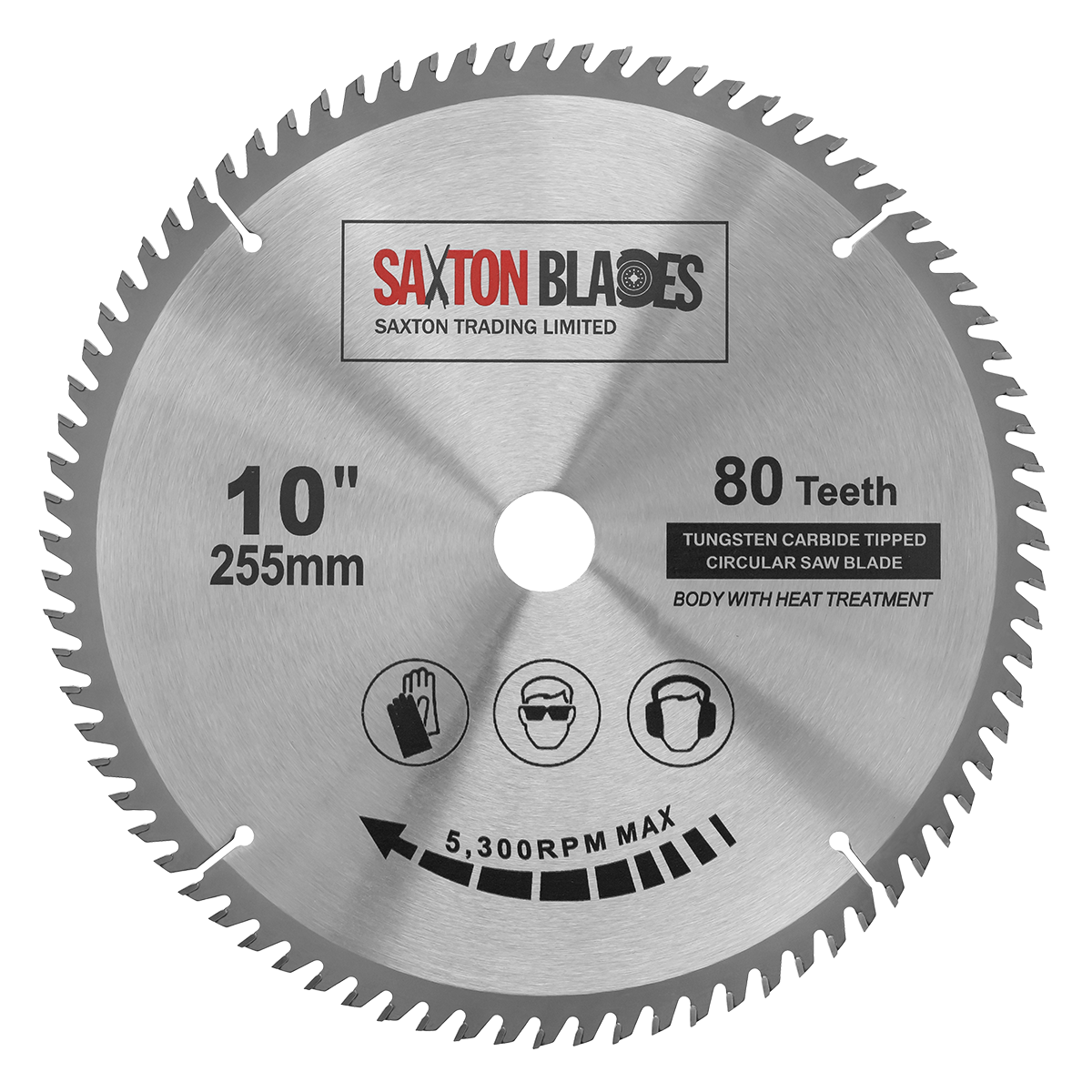
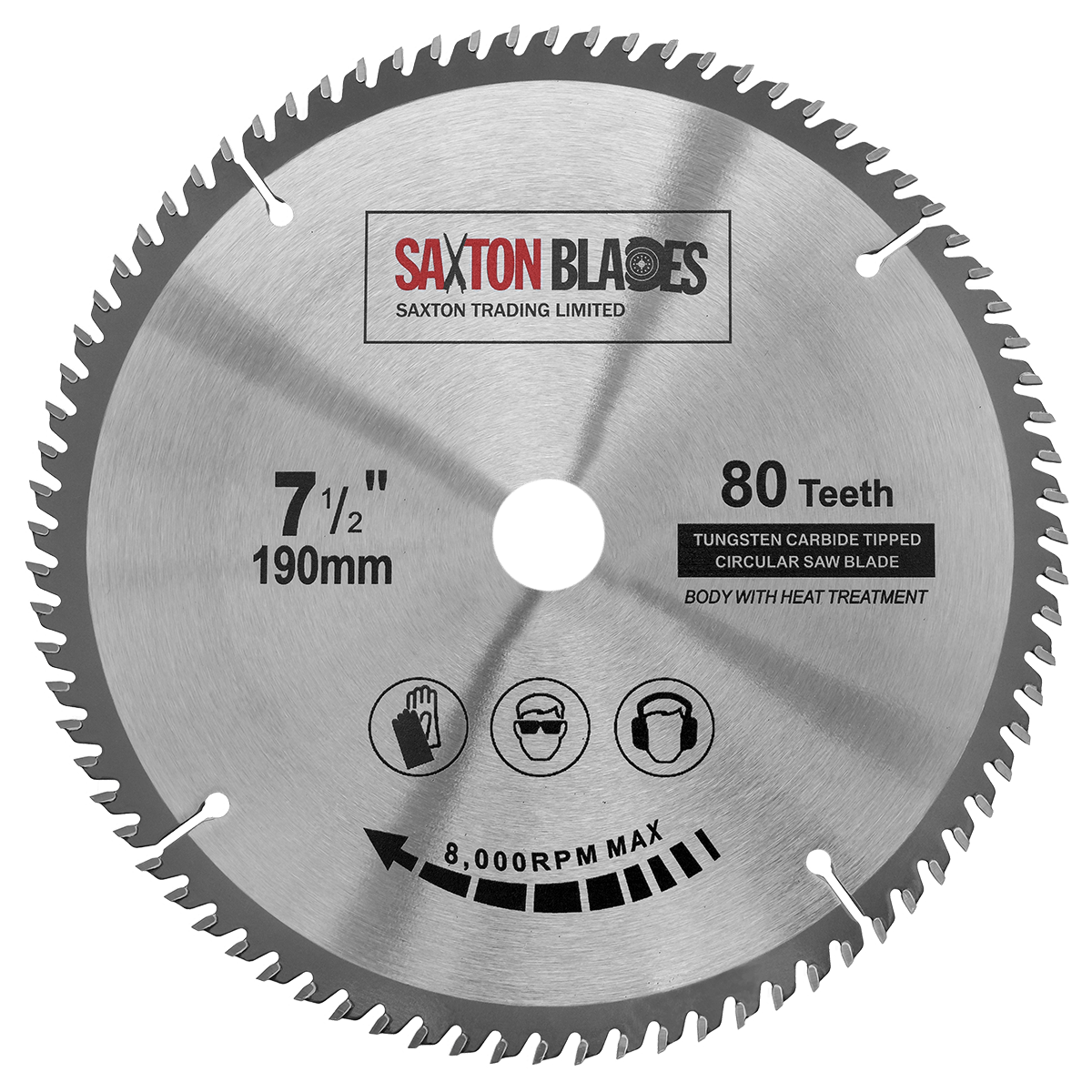
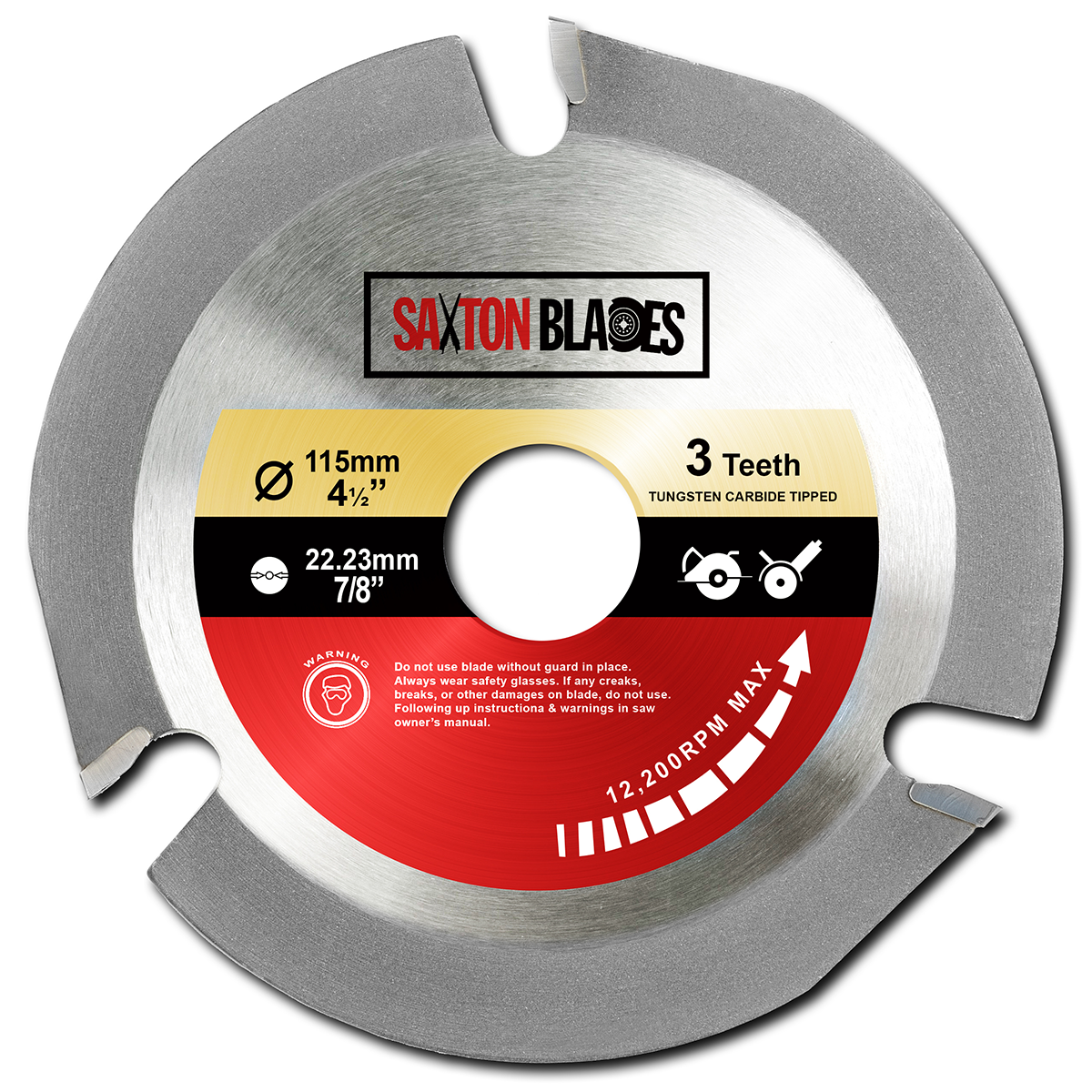
If you’re after a flat top grind saw blade in the UK, our range covers the common saw sizes from 185mm up to 255mm, with tooth counts from 20T to 28T, which are kept deliberately low because a rip blade cuts faster and clears waste better with fewer, larger teeth.
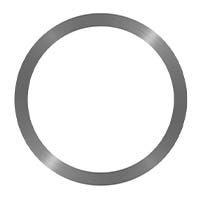
Every one is a proper TCT circular saw blade, tipped with tungsten carbide so the flat teeth hold their edge through repeated ripping, and each comes with a 30mm bore and reduction rings to fit the usual arbor sizes.