
Most blade problems aren’t blade problems. They’re the wrong blade on the right saw, or the right blade fitted badly. Three things decide it: diameter, bore, and tooth count. Get those in order and everything else follows.
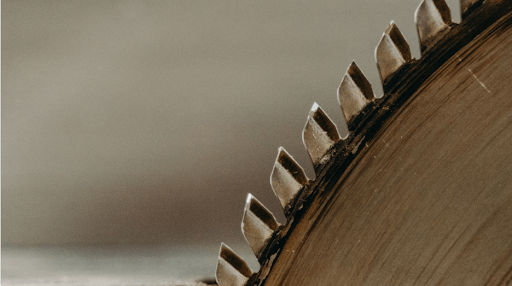
Start with what your saw can take
Diameter isn’t a preference. Your saw’s specification plate decides it, and fitting a blade larger than the machine is rated for is genuinely unsafe — the guard won’t cover it properly and it can foul the throat plate.
In practice, three sizes cover most work.
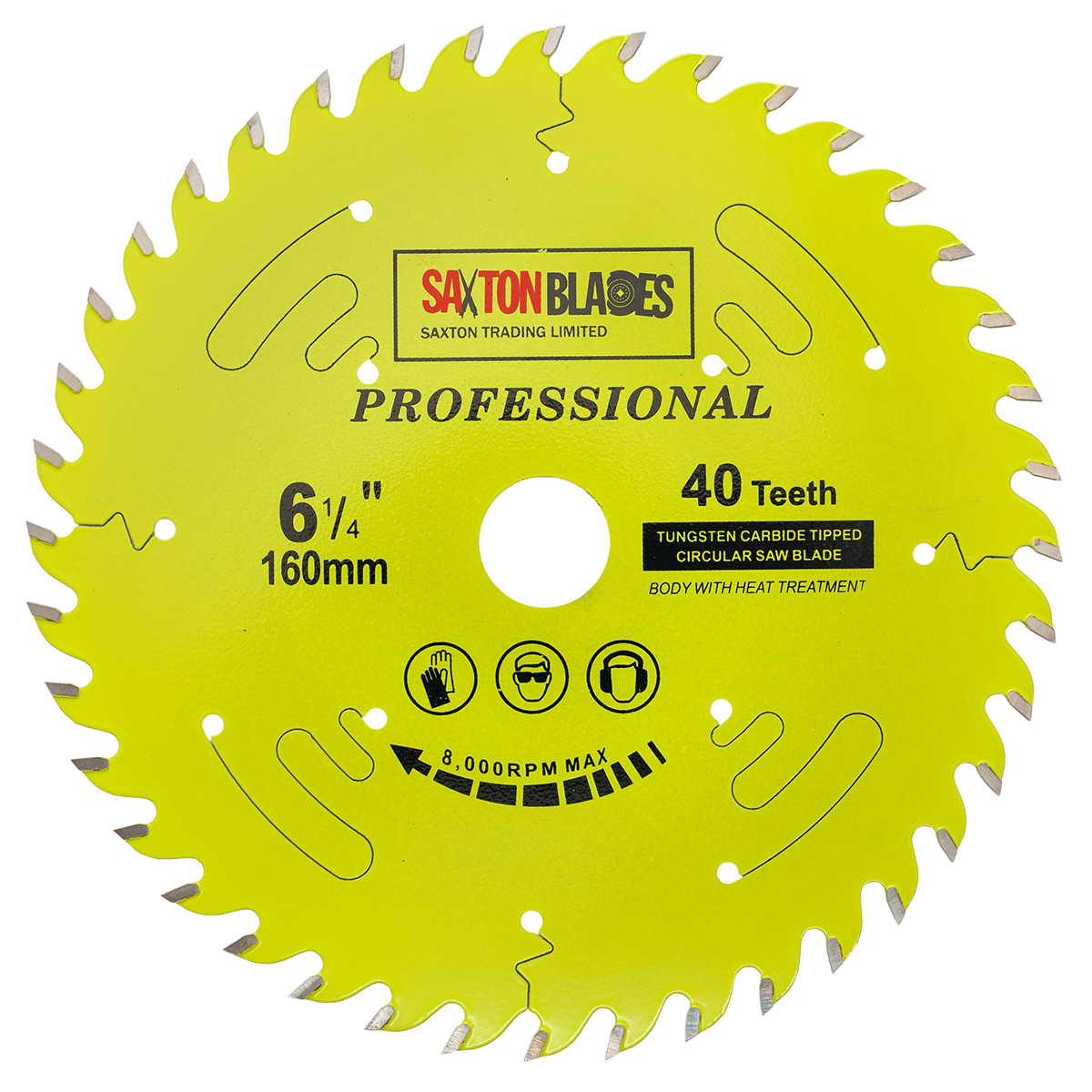
A 165mm circular saw blade is the cordless standard. Almost every 18V and 54V circular saw from DeWalt, Makita, and Milwaukee runs one. Because you’re cutting on battery, kerf matters more here than anywhere else. A thin-kerf blade removes less material, draws less current, and gets noticeably more cuts out of a charge.
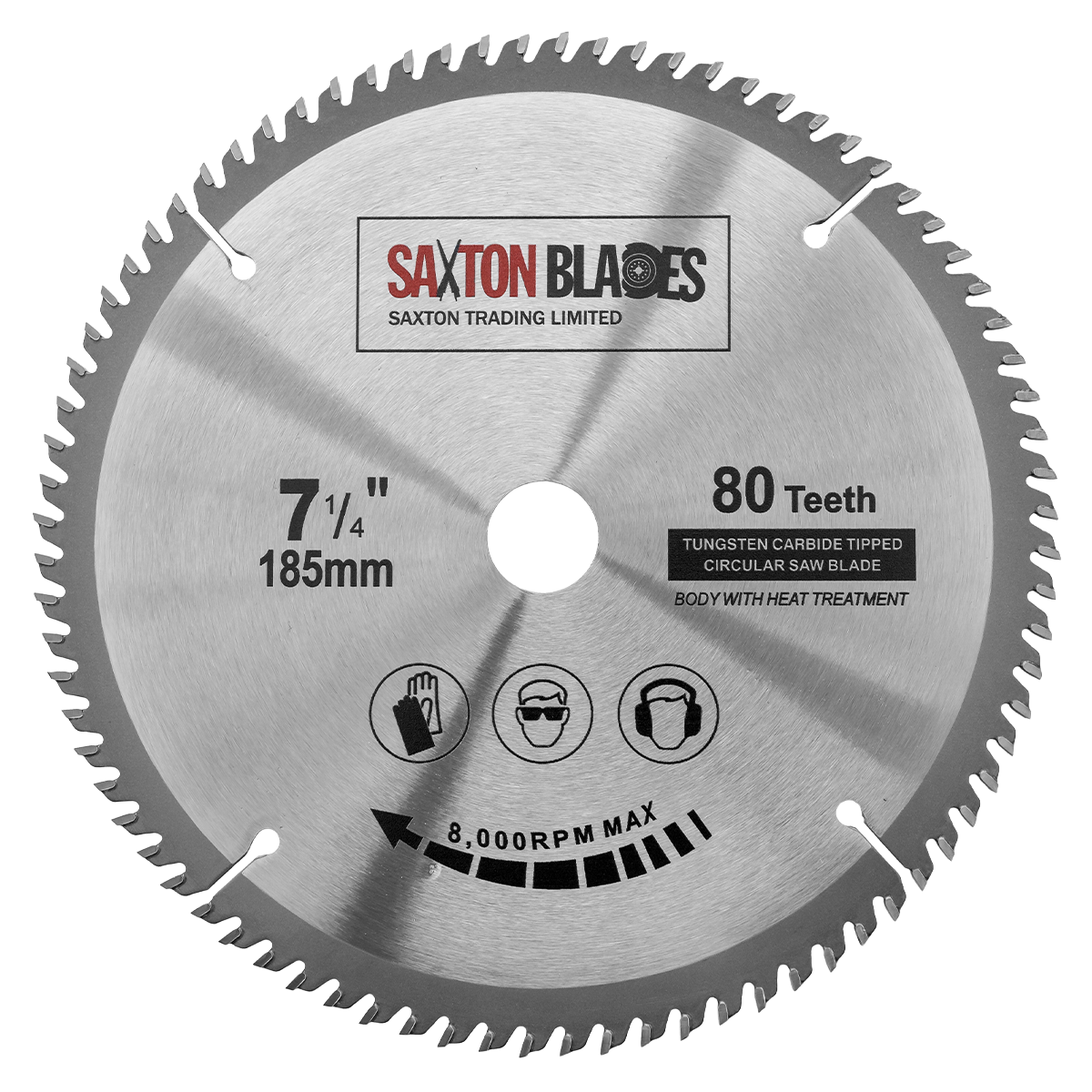
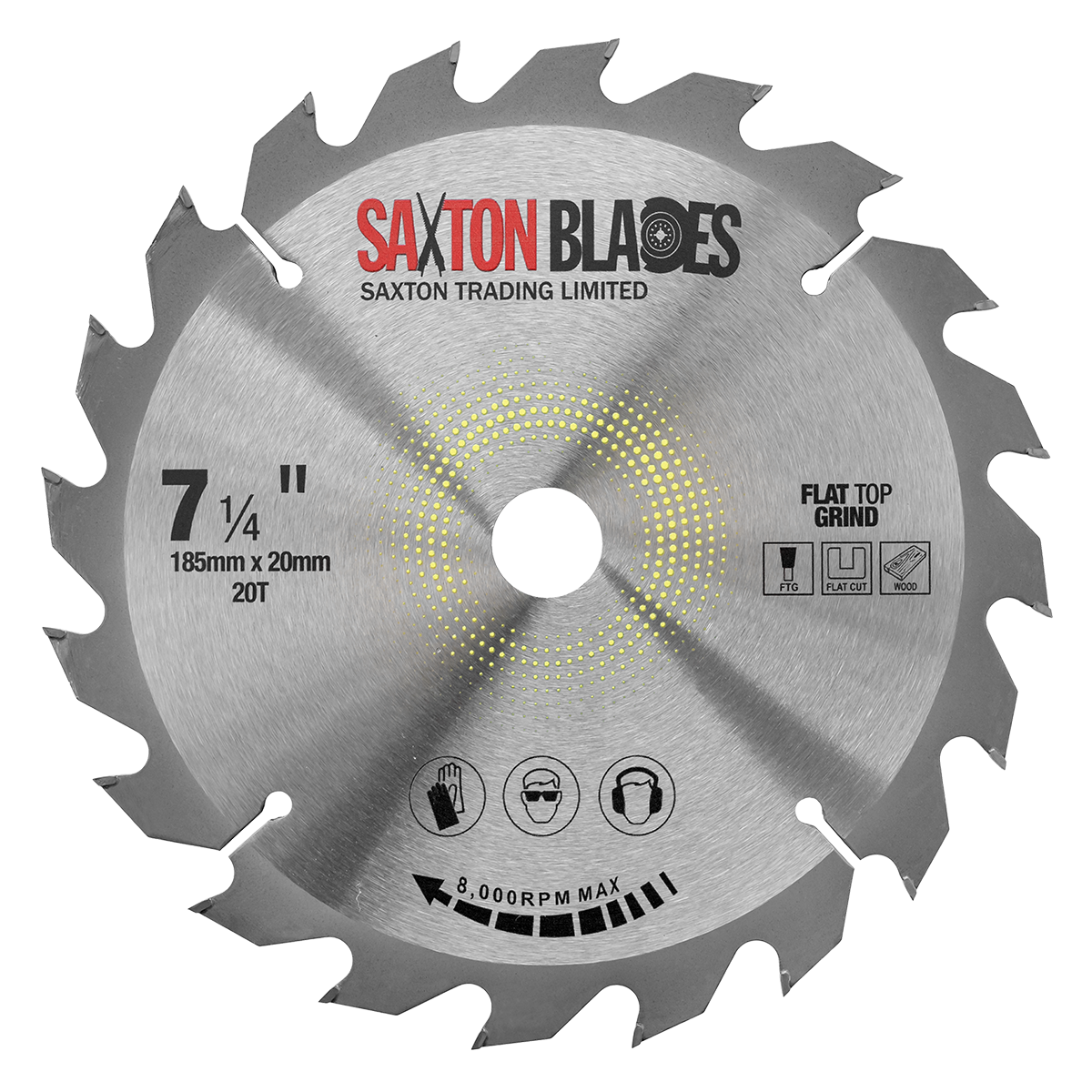
An 185mm saw blade is the corded handheld workhorse. More depth than a 165mm, still light enough to run all day, and the size most site saws are built around. If you own one circular saw, it’s probably this.
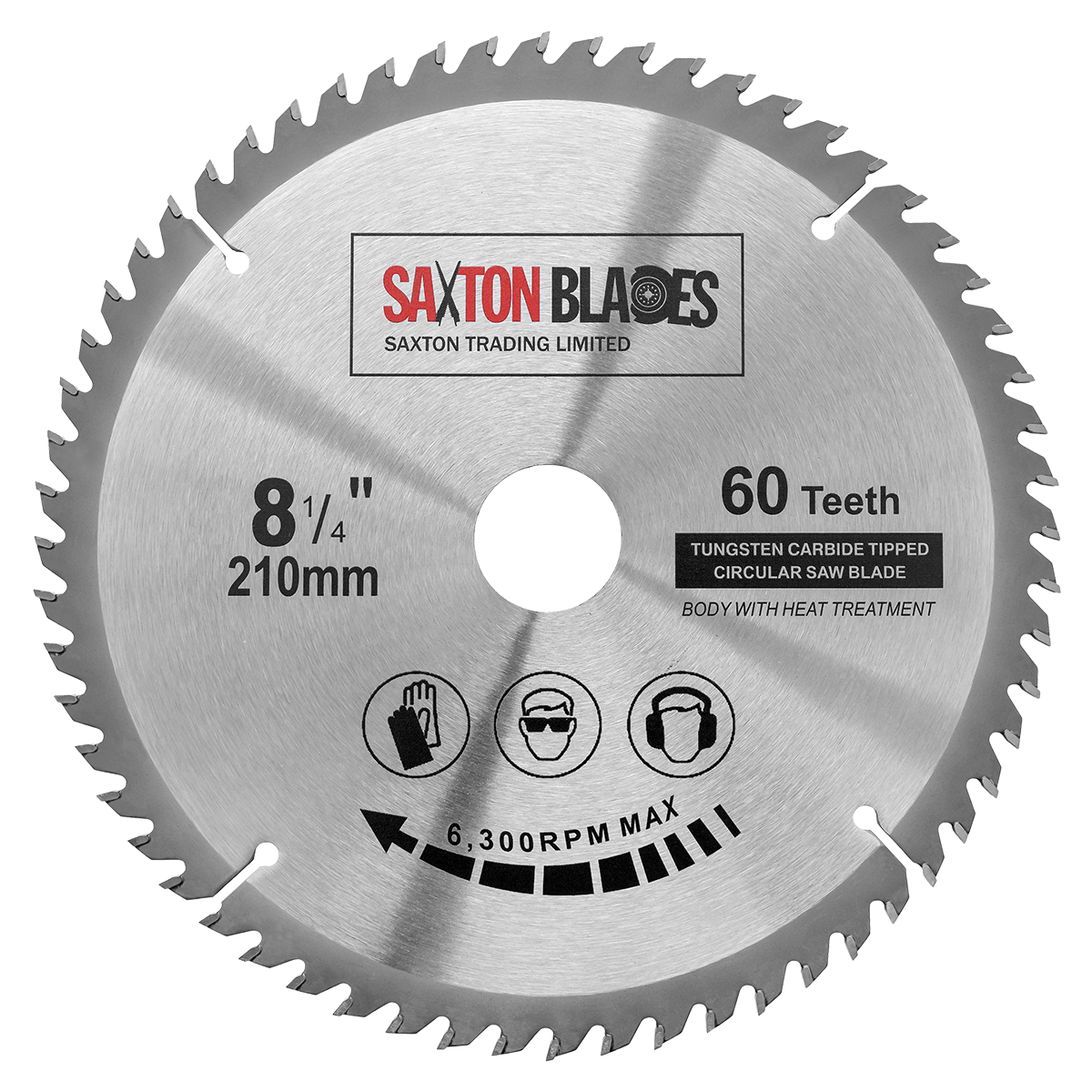
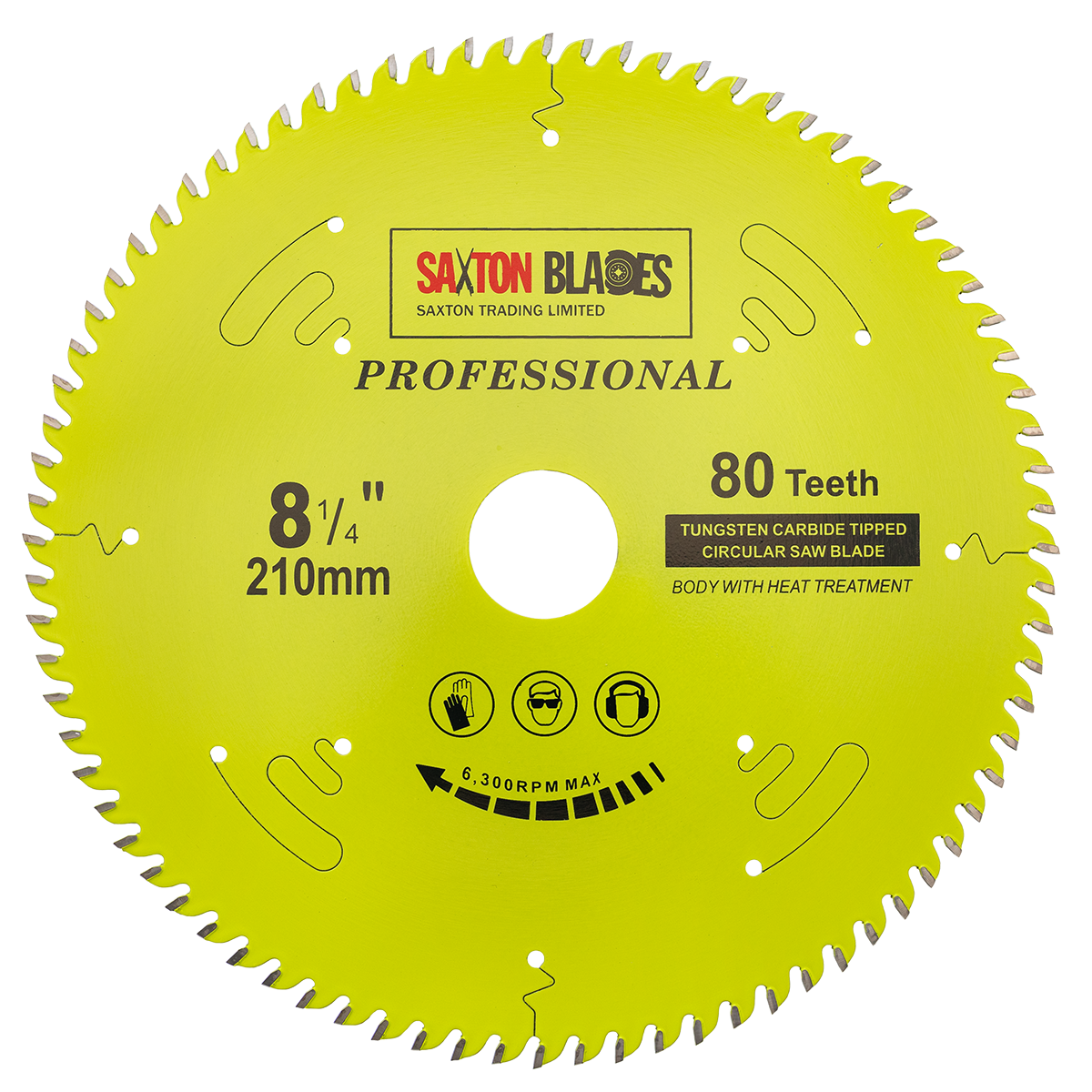
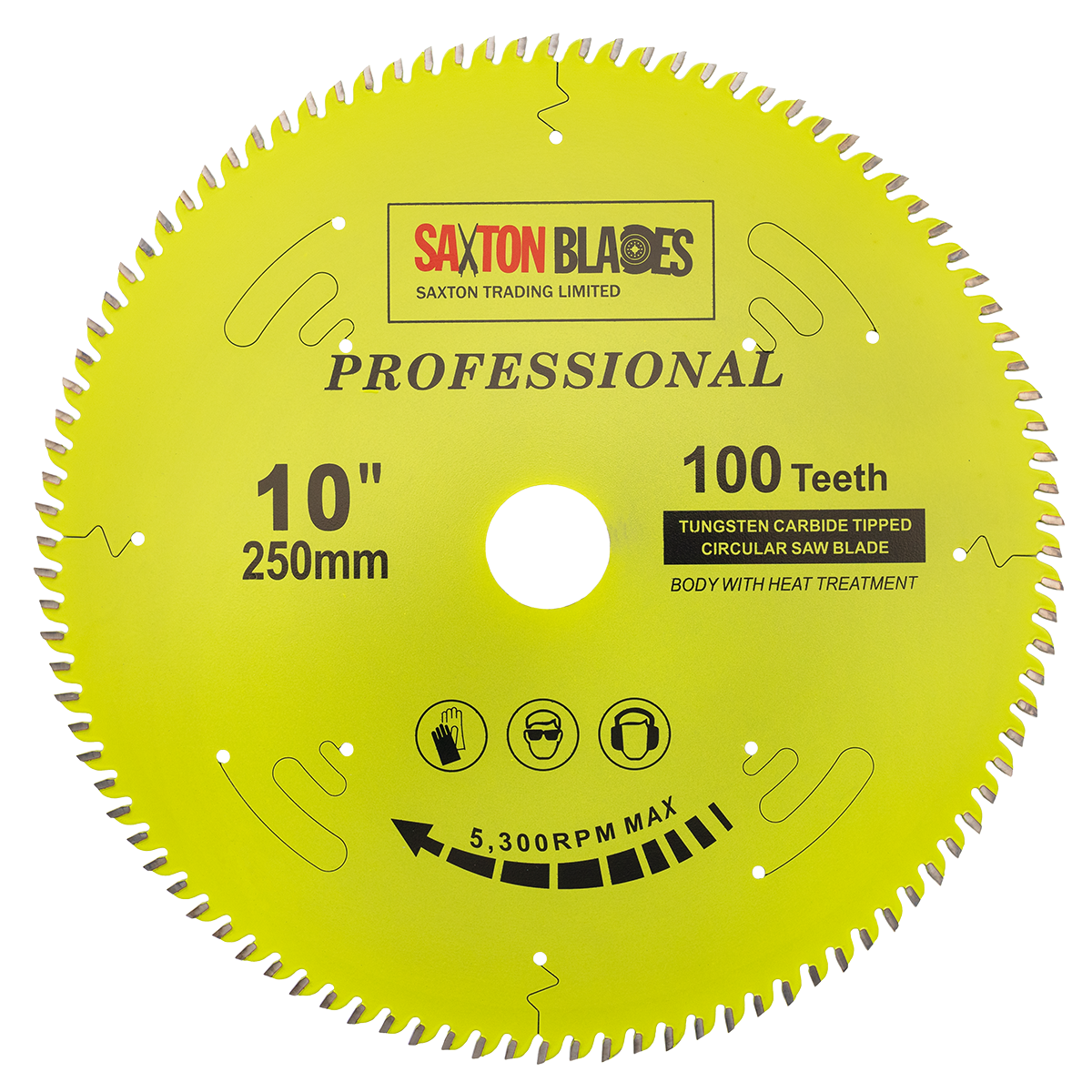
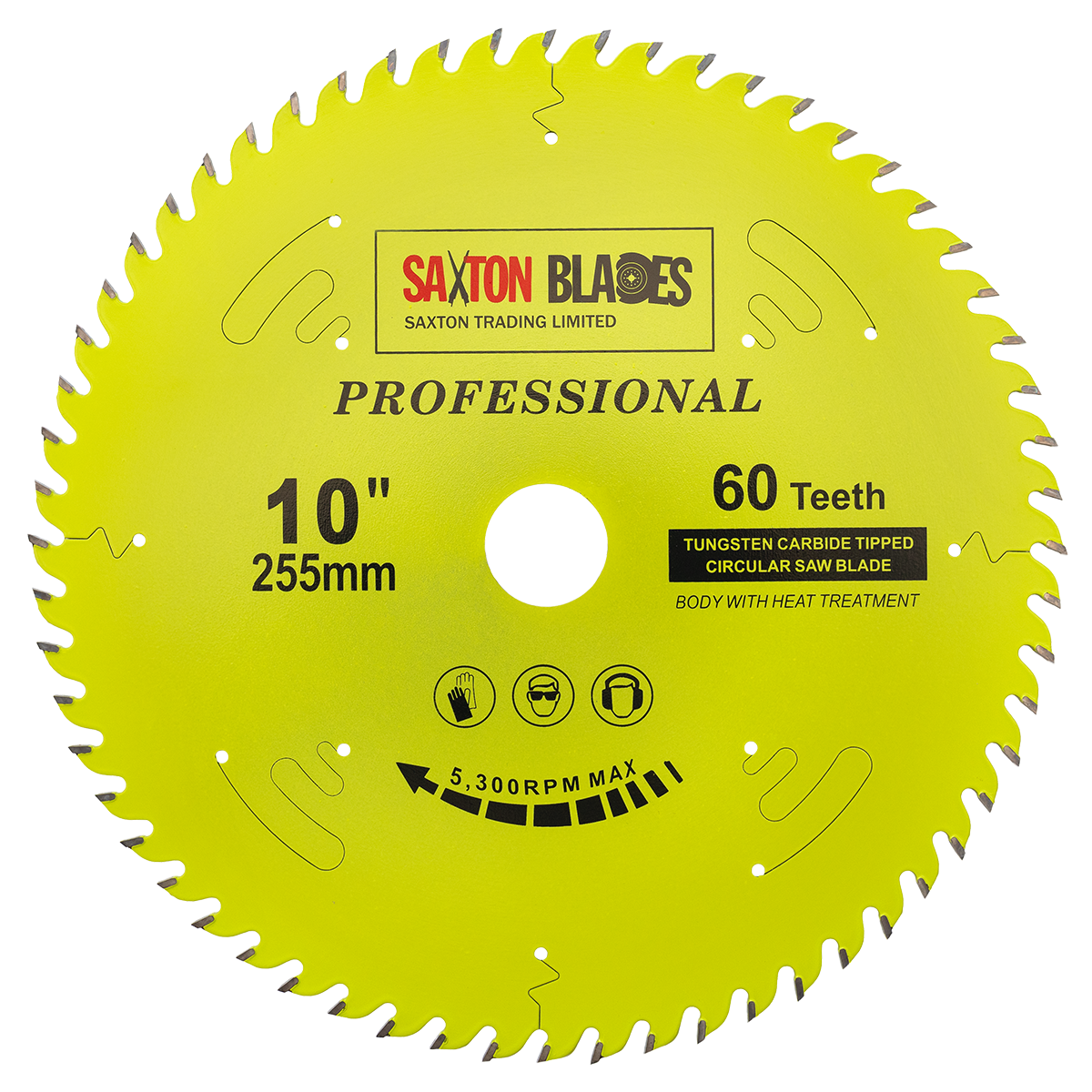
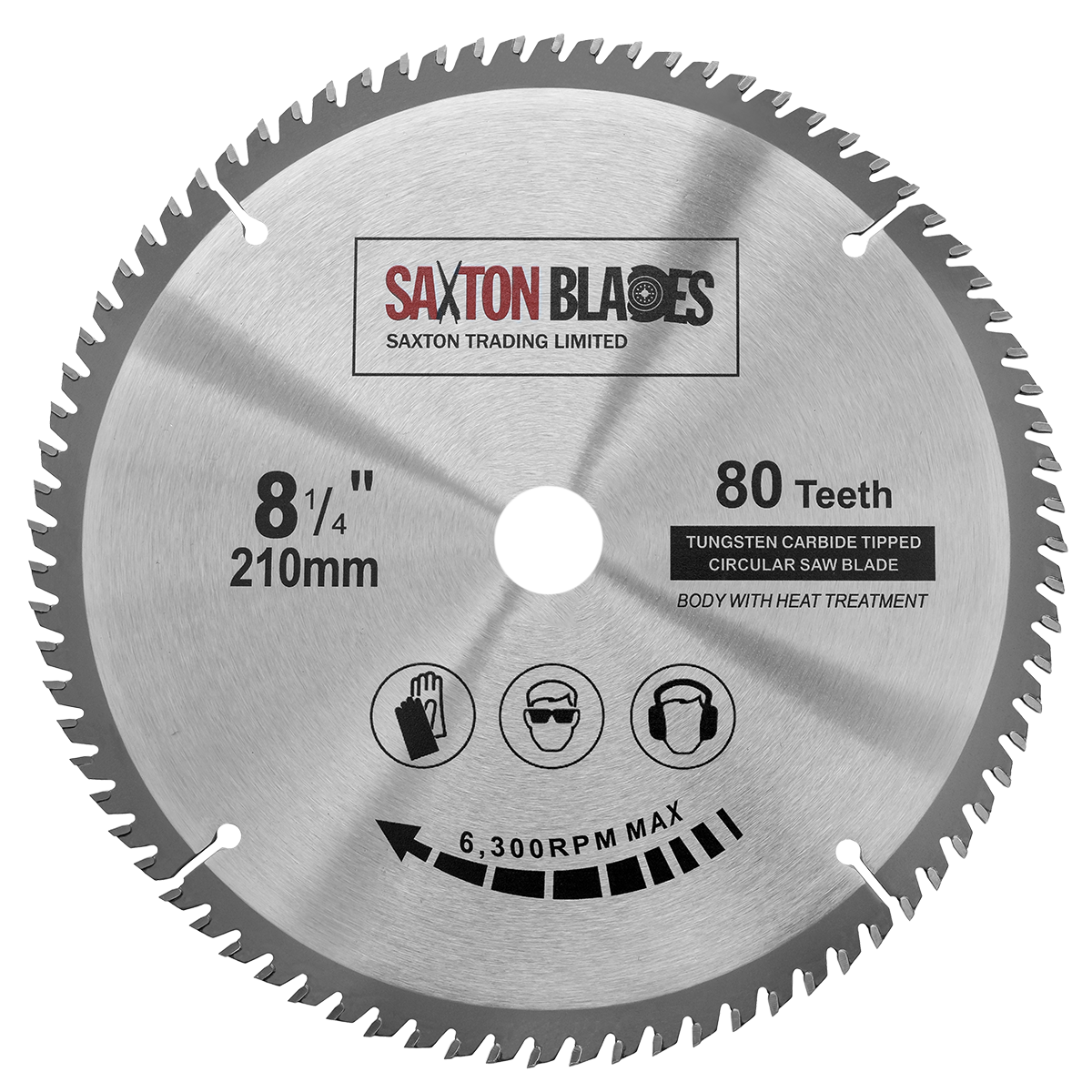
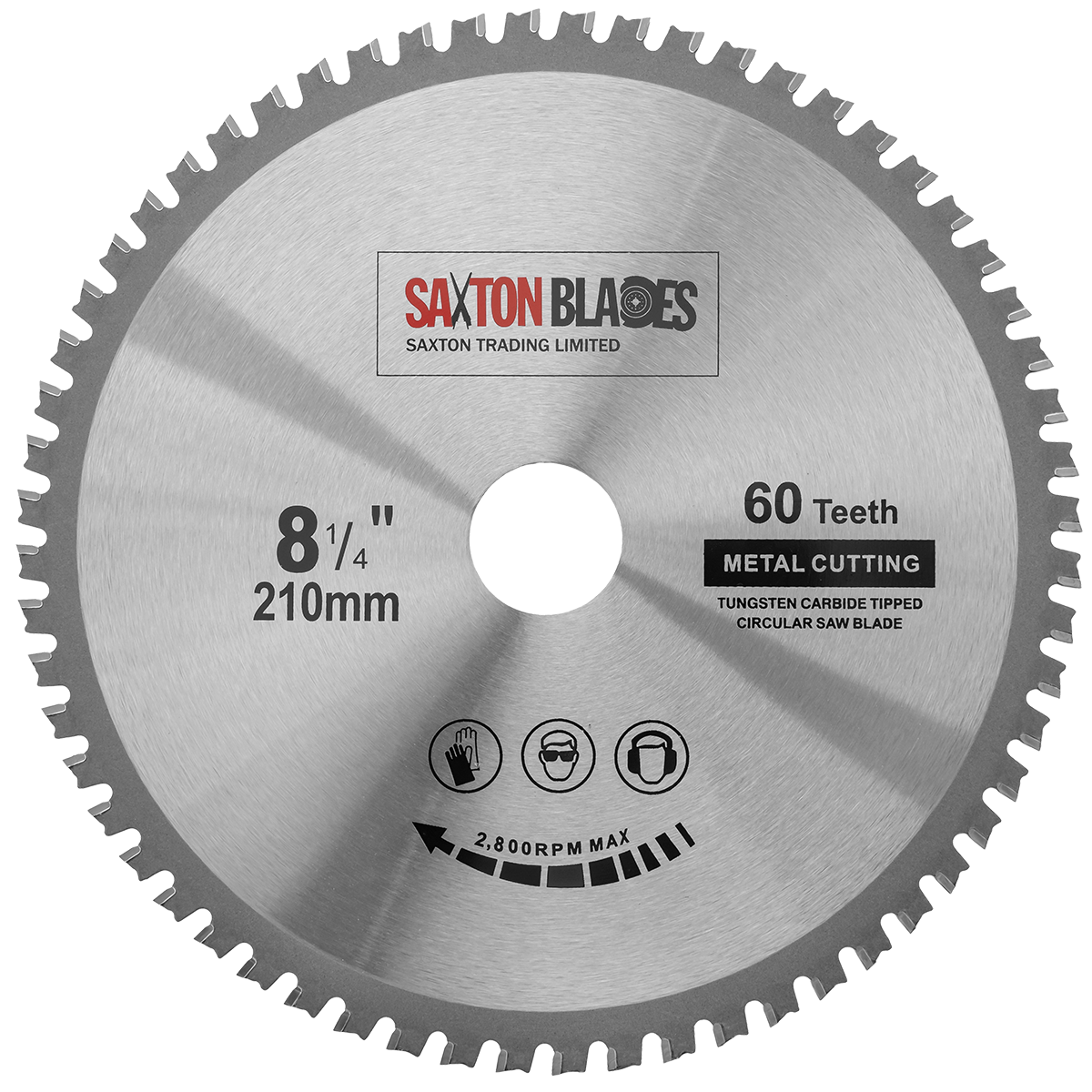
A 210mm circular saw blade moves you onto stationary machines: mitre saws, chop saws, and smaller table saws. The extra diameter buys depth of cut, which is what you want for structural timber and thicker board.
Check the bore, not just the diameter
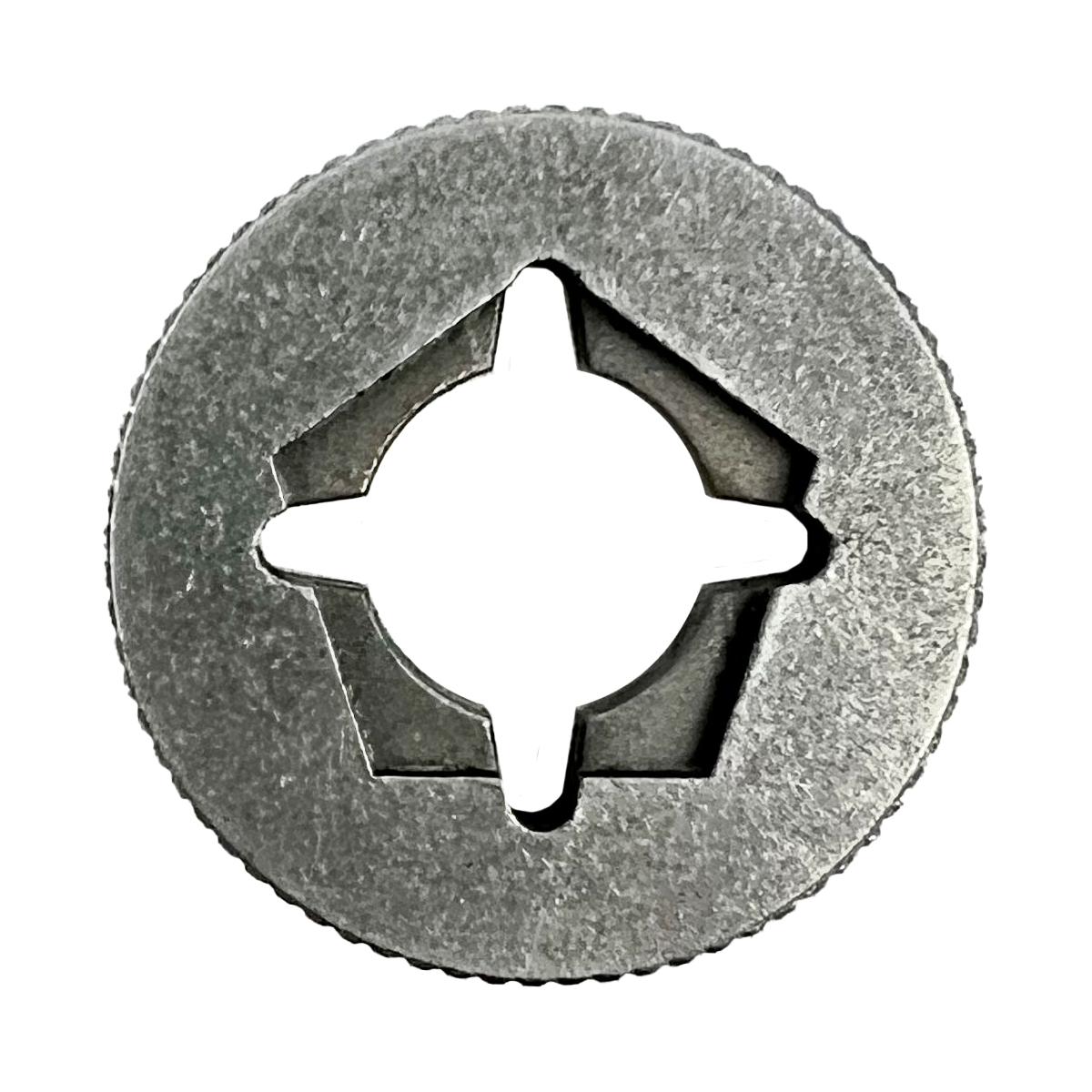
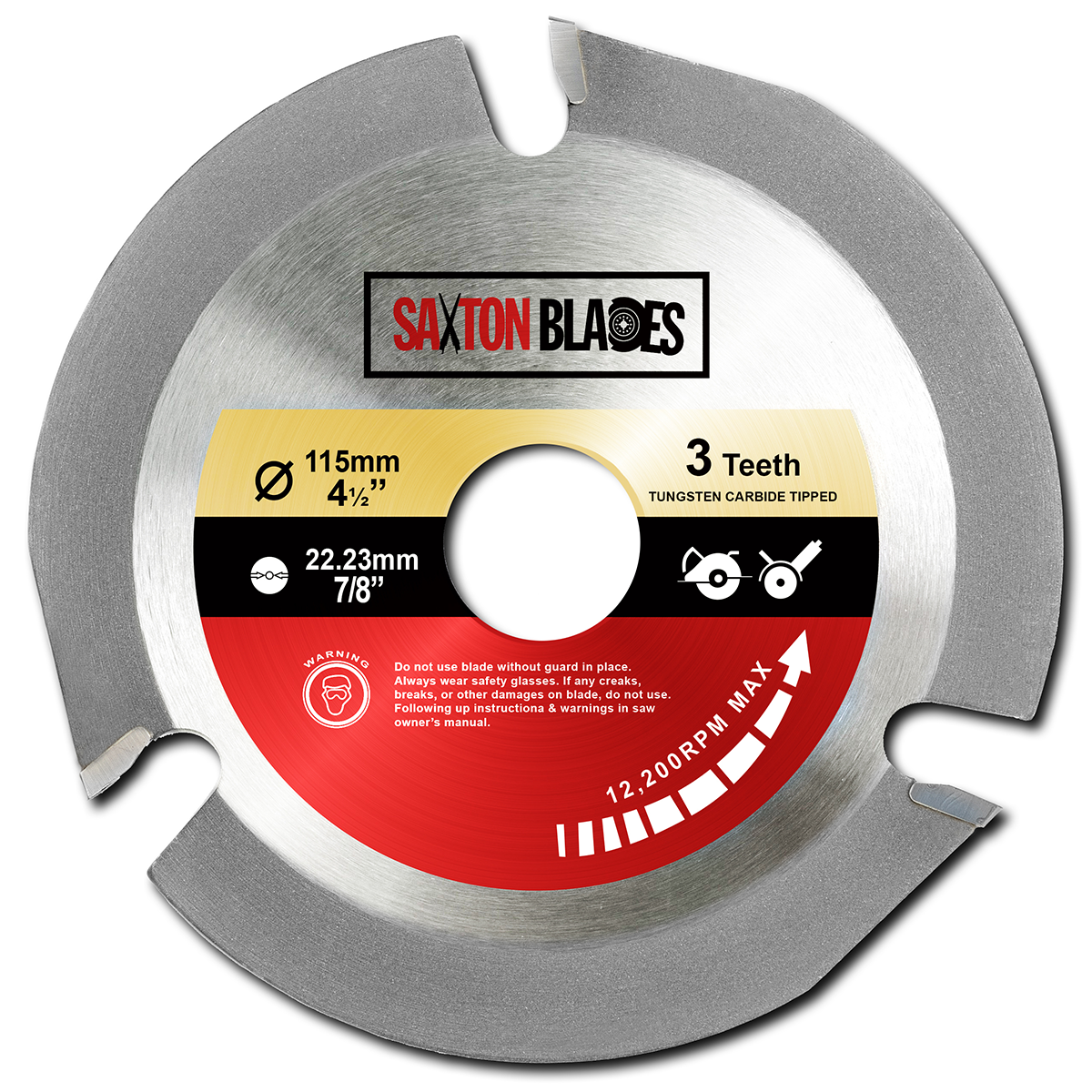
This is where orders go wrong. The bore is the hole in the middle, and it has to match your saw’s arbor. Common sizes are 16mm, 20mm, 25.4mm, and 30mm.
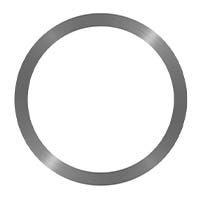
Most of our blades ship with reduction rings, so a 30mm blade steps down to fit a smaller arbor. Evolution machines are the exception worth knowing about: they run a 25.4mm (1 inch) arbor, and our Evolution-compatible blades are cut to that size directly, with no ring needed.
Never run a blade on an arbor smaller than its bore without the correct ring fitted. It will sit off-centre and run out badly.
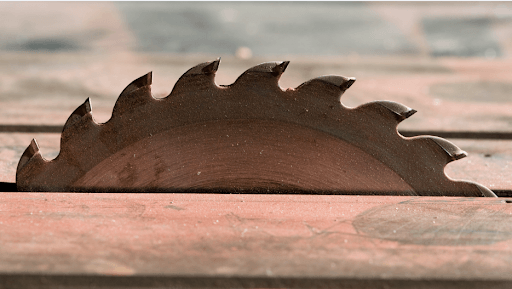
Match tooth count to the job
Fewer teeth cut faster. More teeth cut cleaner. That’s the whole trade-off.
Low counts (20–24T) rip down the grain quickly. Rough, fast, and ideal for structural work where the face won’t be seen.
Mid counts (40–48T) are the all-rounders — quick enough through ply and softwood, tidy enough that most cuts need no cleaning up. If one blade lives on the saw, make it this one.
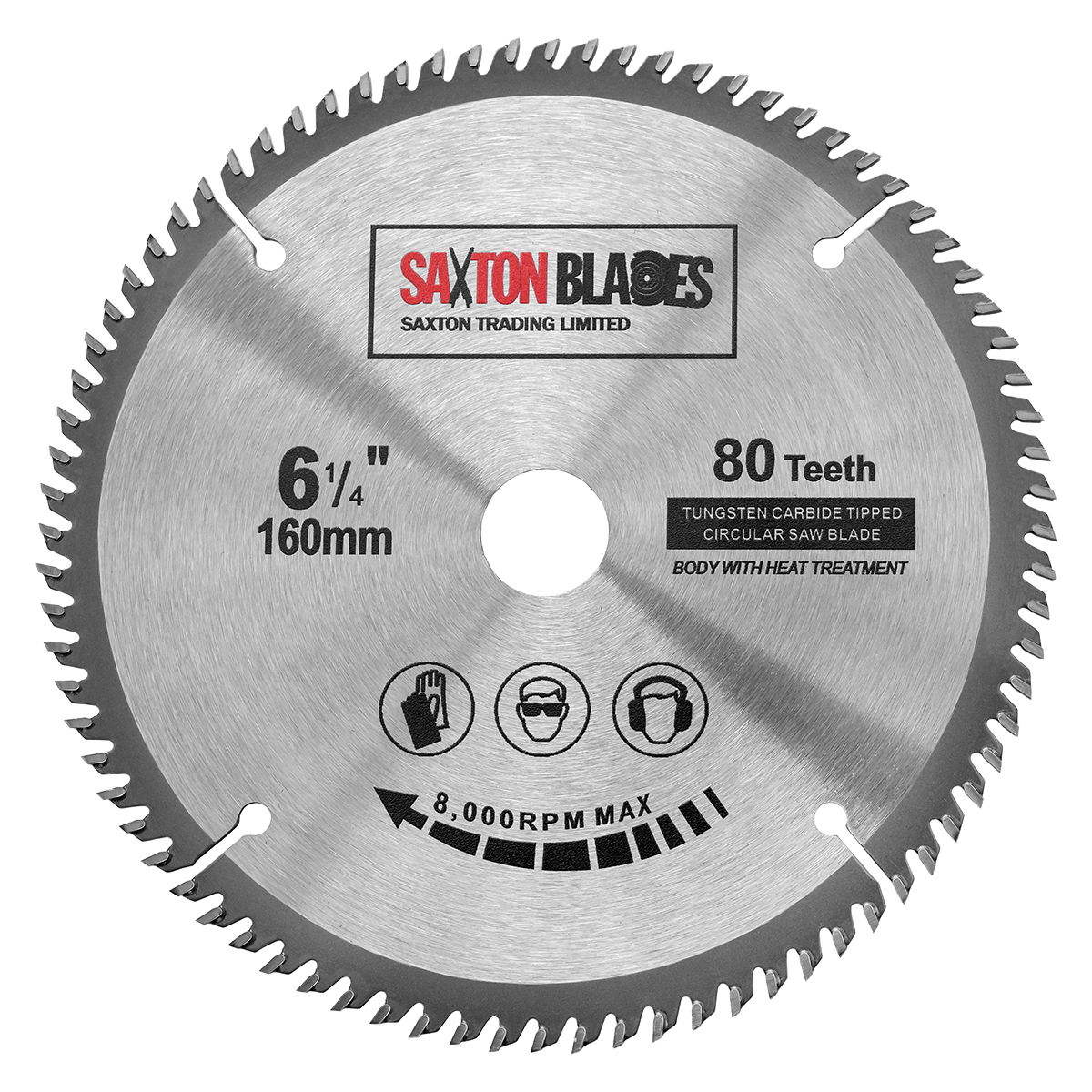
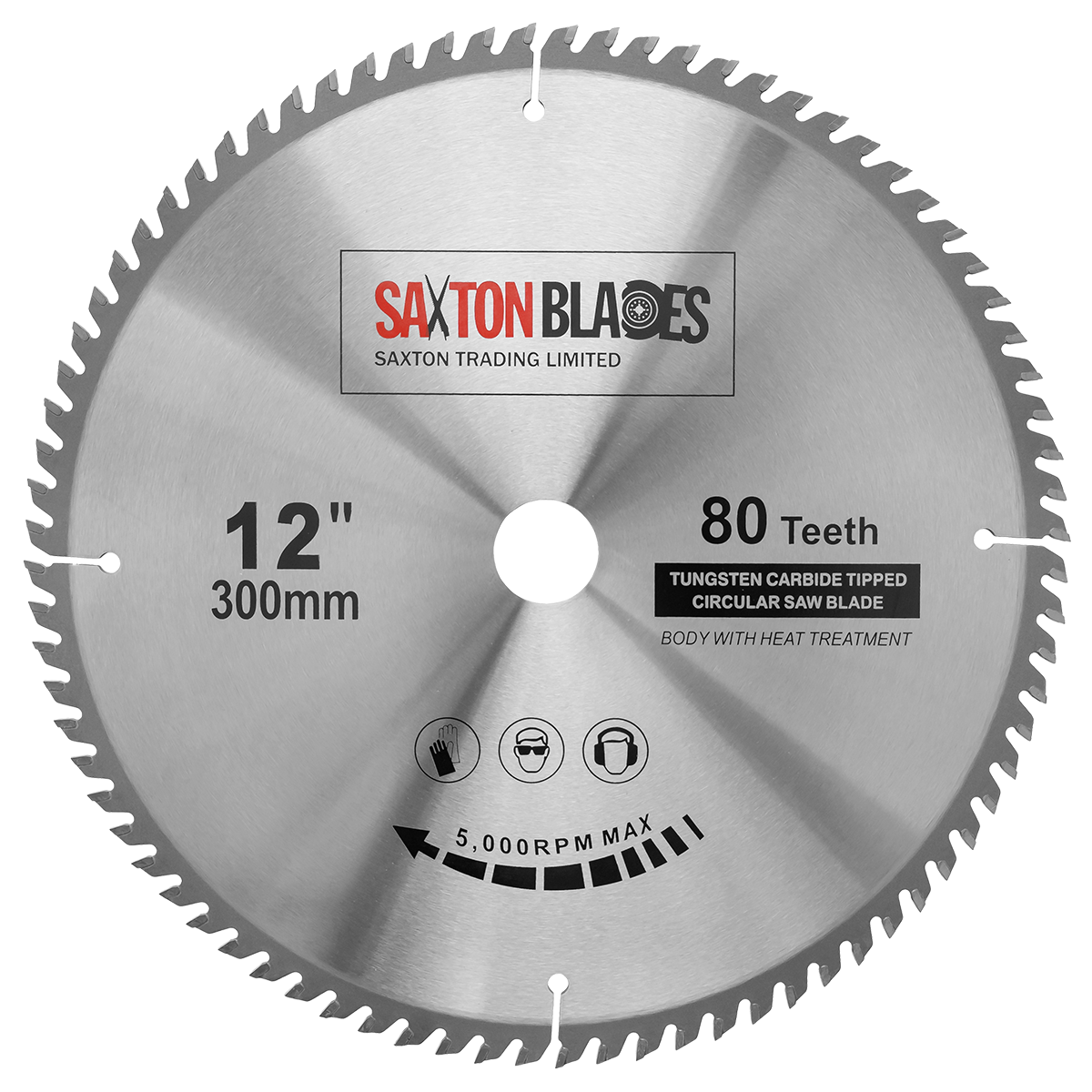
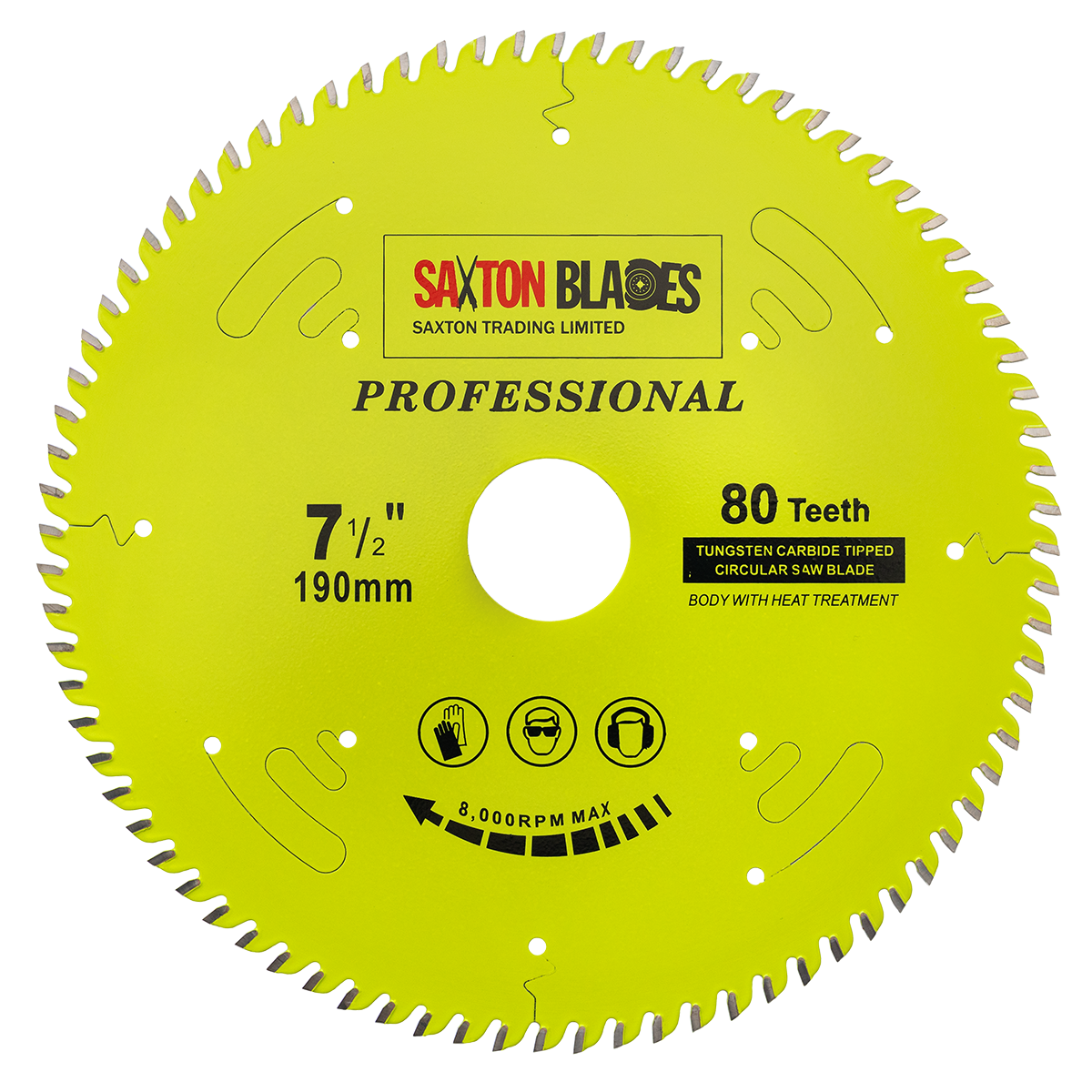
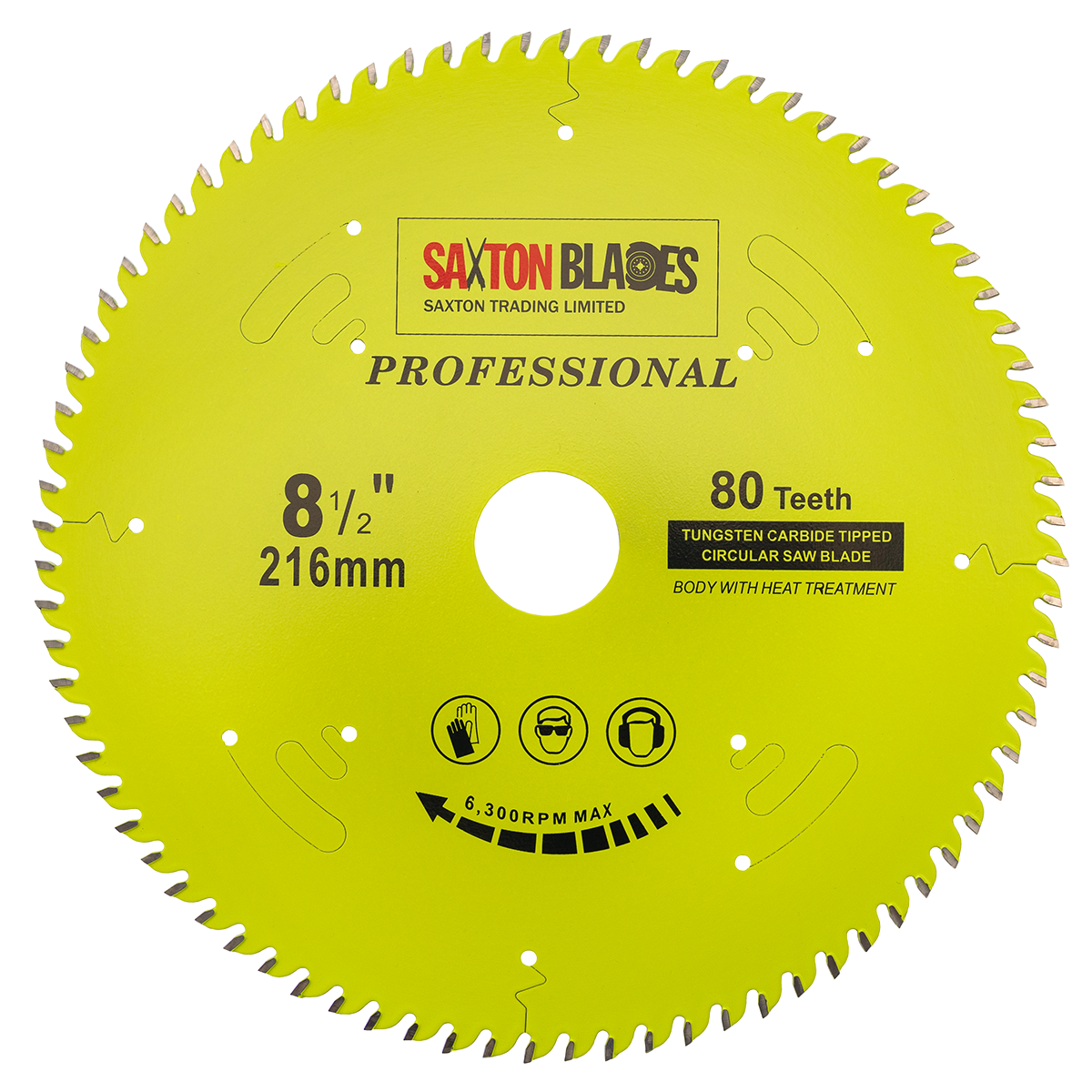
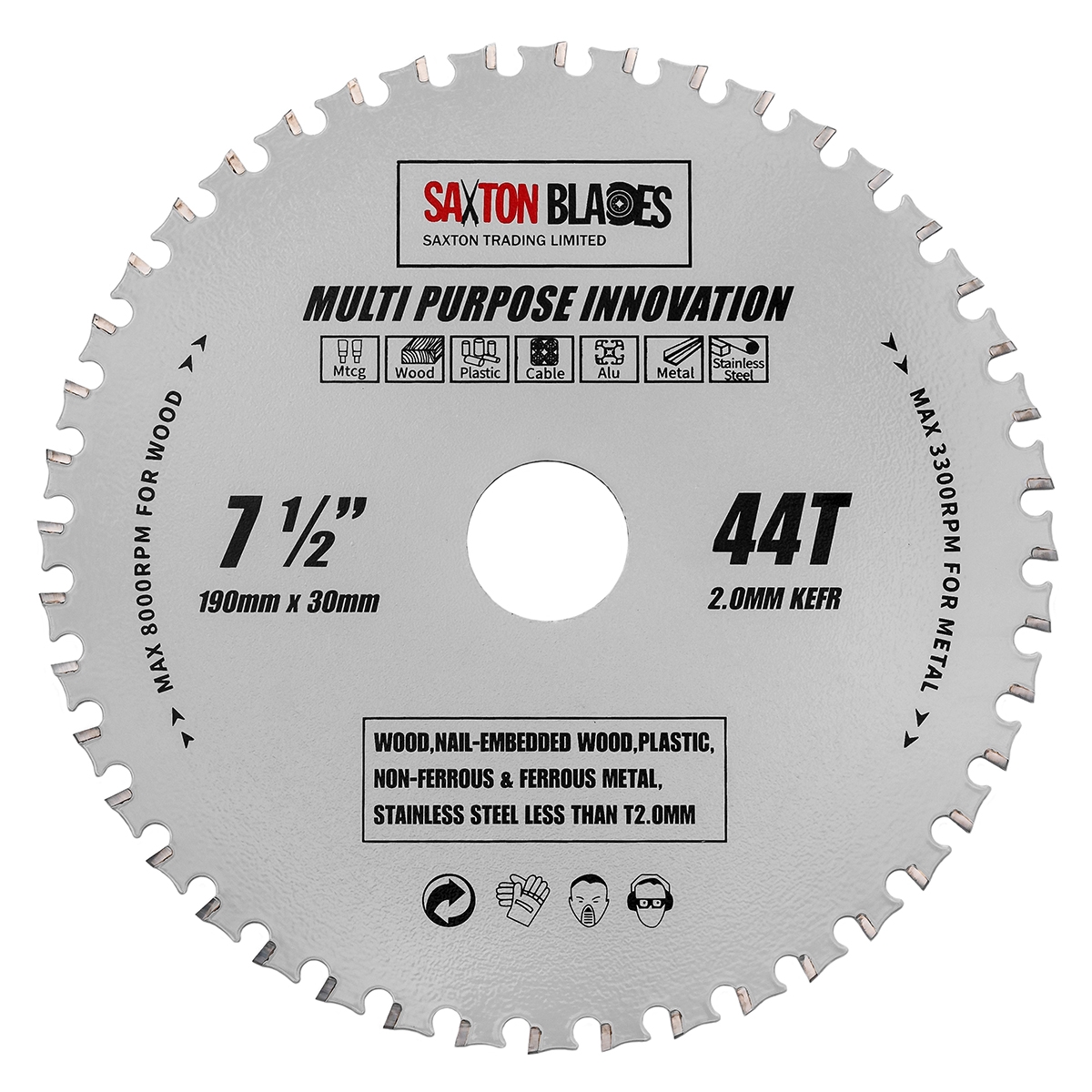
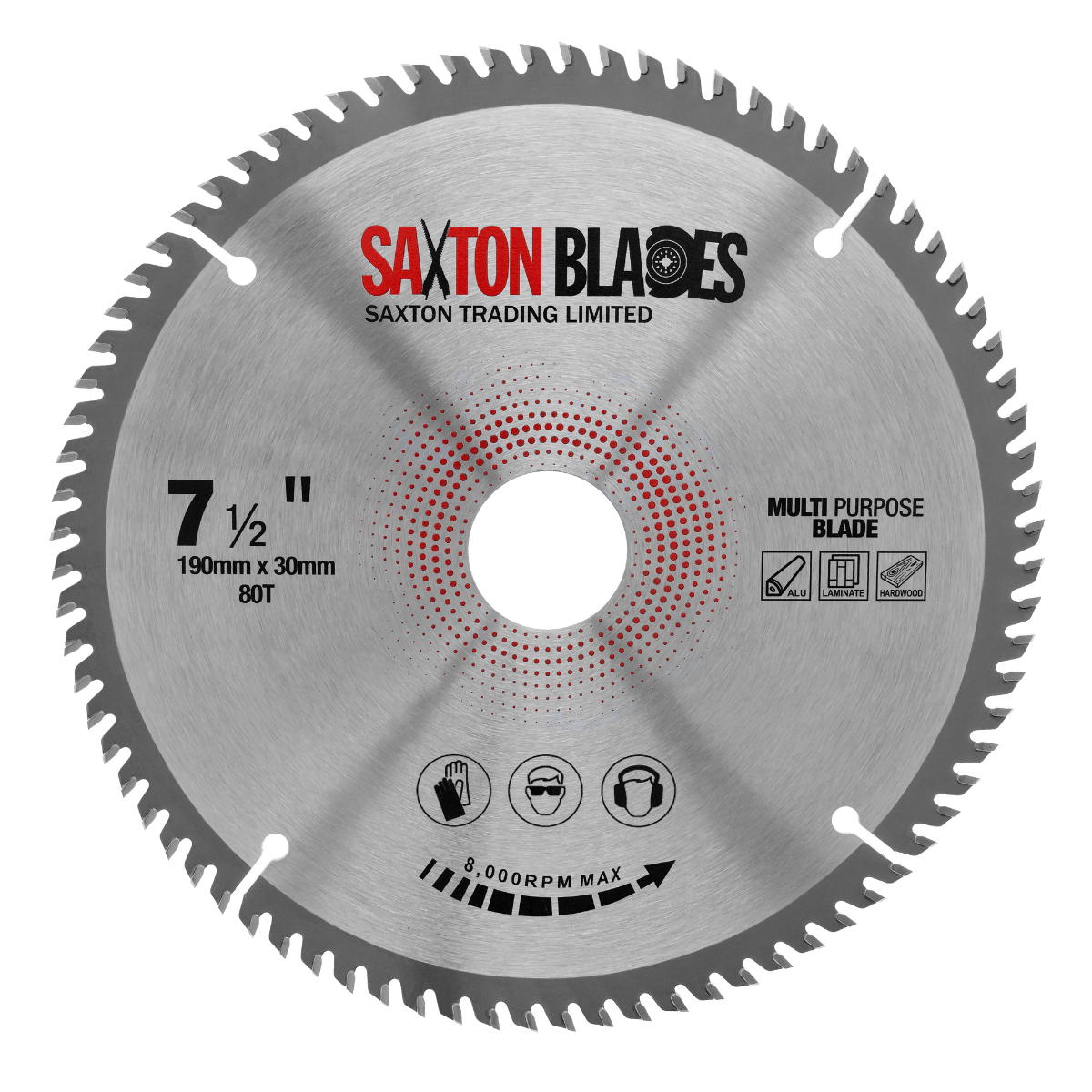
High counts (60–80T) are for finish work: laminate, veneer, melamine, and any exposed cross-grain cut where splintering would show.
One thing that catches people out is that the tooth count is relative to diameter. A 40T blade at 165mm cuts finer than a 40T at 210mm, because the teeth sit closer together around a shorter rim. Compare like for like within a size, not across sizes.
Still not sure?
Browse the full 165–216mm circular saw blade range, or call us on 0800 170 7222. Tell us your saw and your material and we’ll tell you which blade to fit — no upselling, just the right answer.