


A clean cut has crisp edges, no splintering, and a face that needs barely any sanding. Feed rate and technique help, but if the blade is wrong or blunt, no amount of care will save the finish. Here’s what actually separates a clean-cutting blade from a rough one, and which TCT circular saw blades to reach for when the edge has to look right.
What Makes a Blade Cut Cleanly
Tooth Count
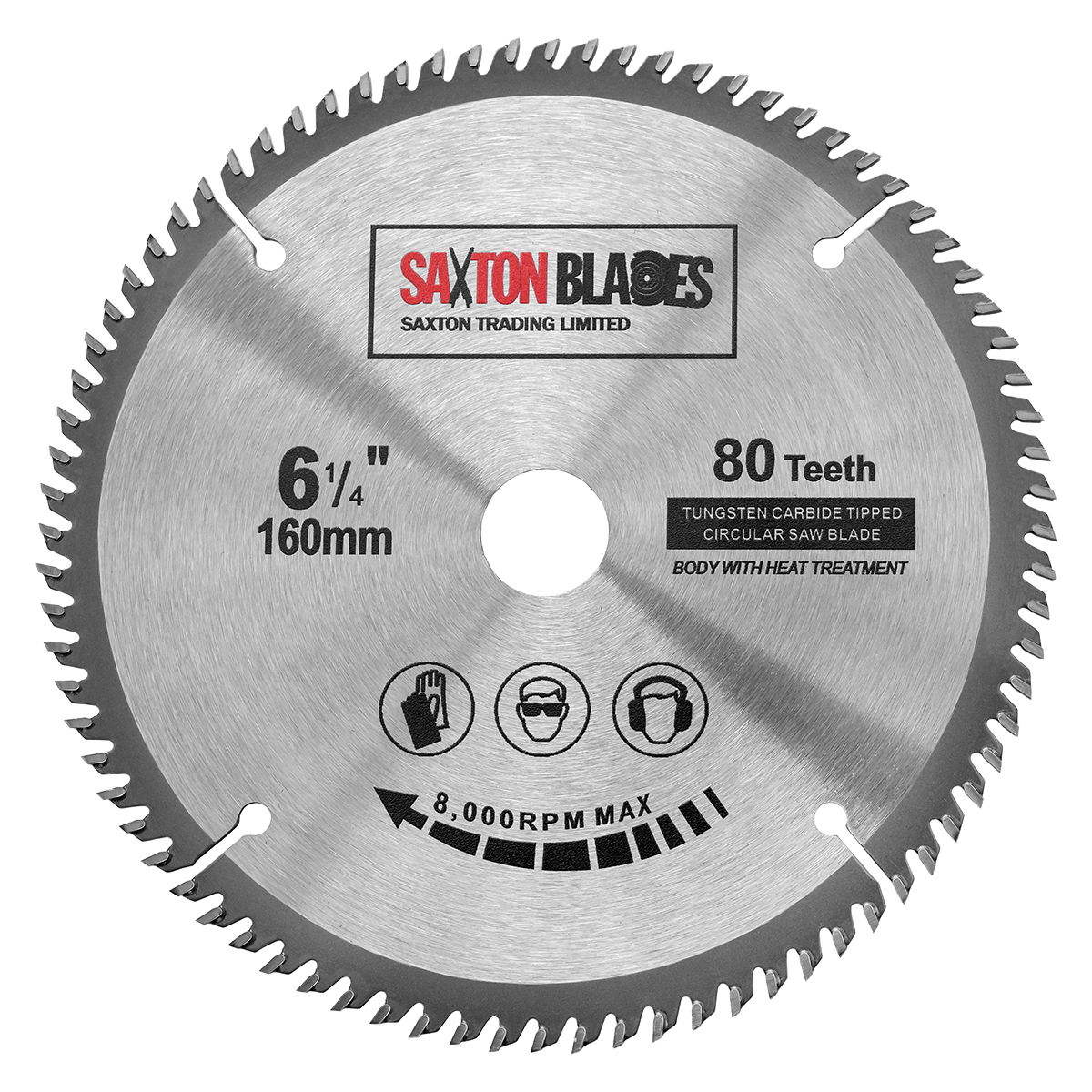
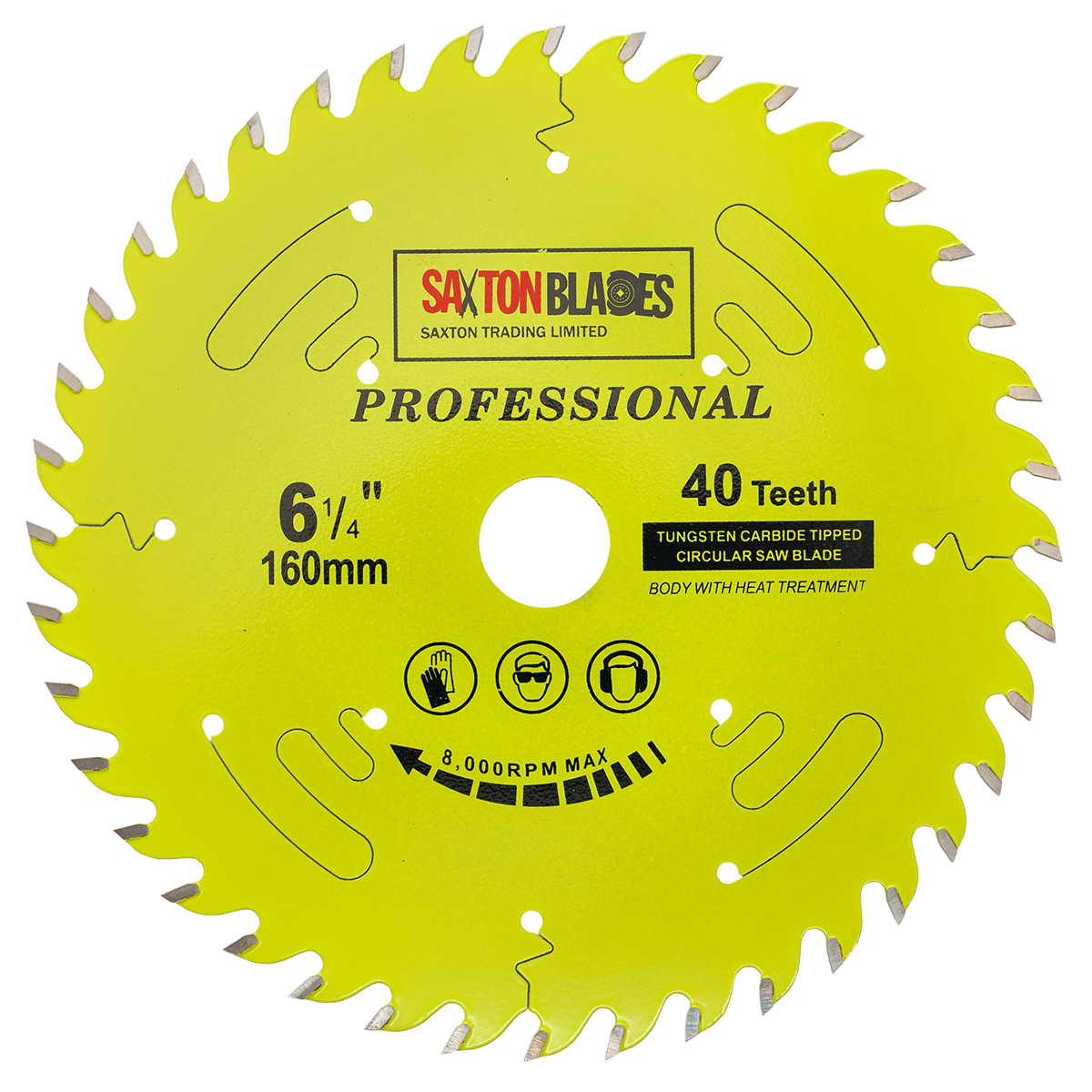
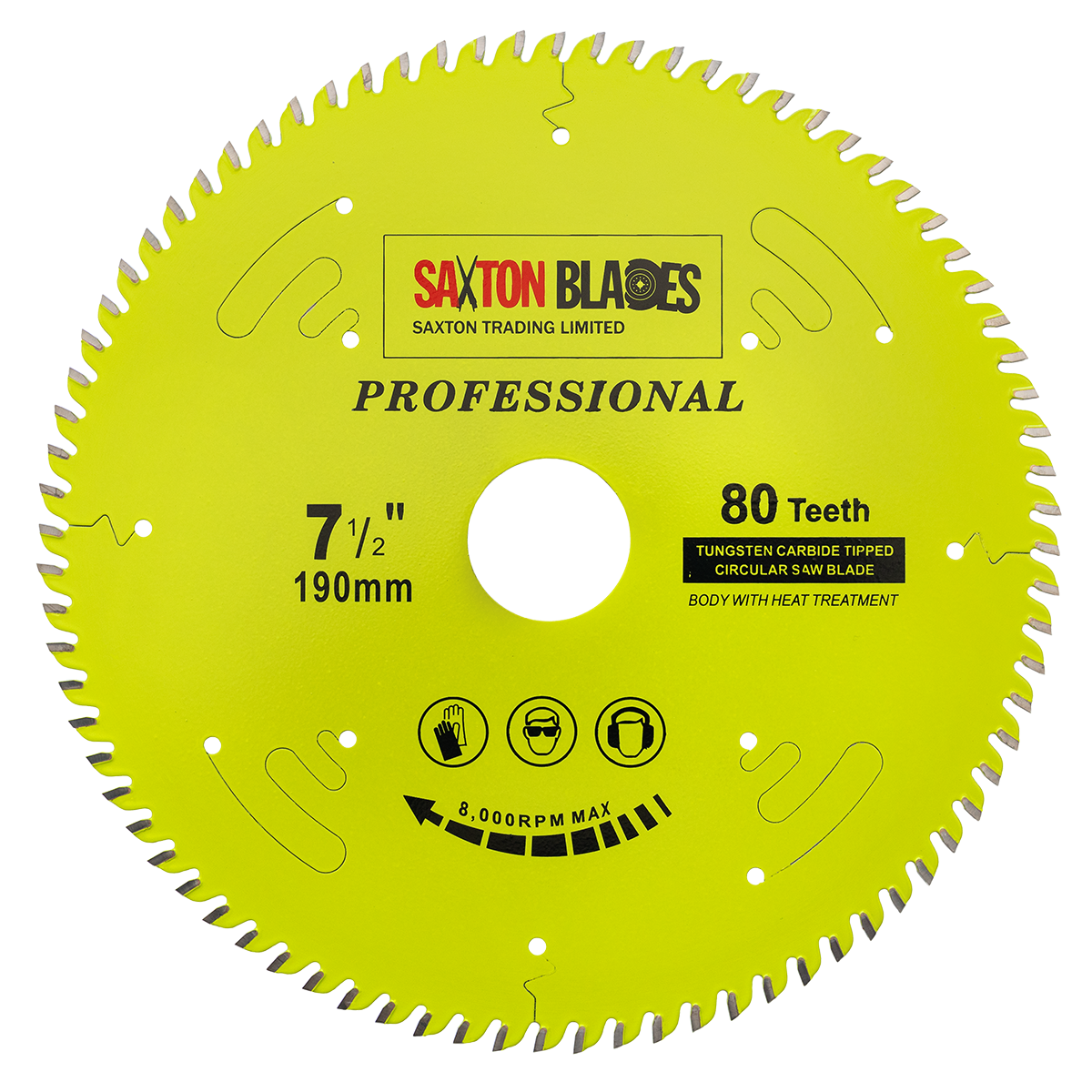
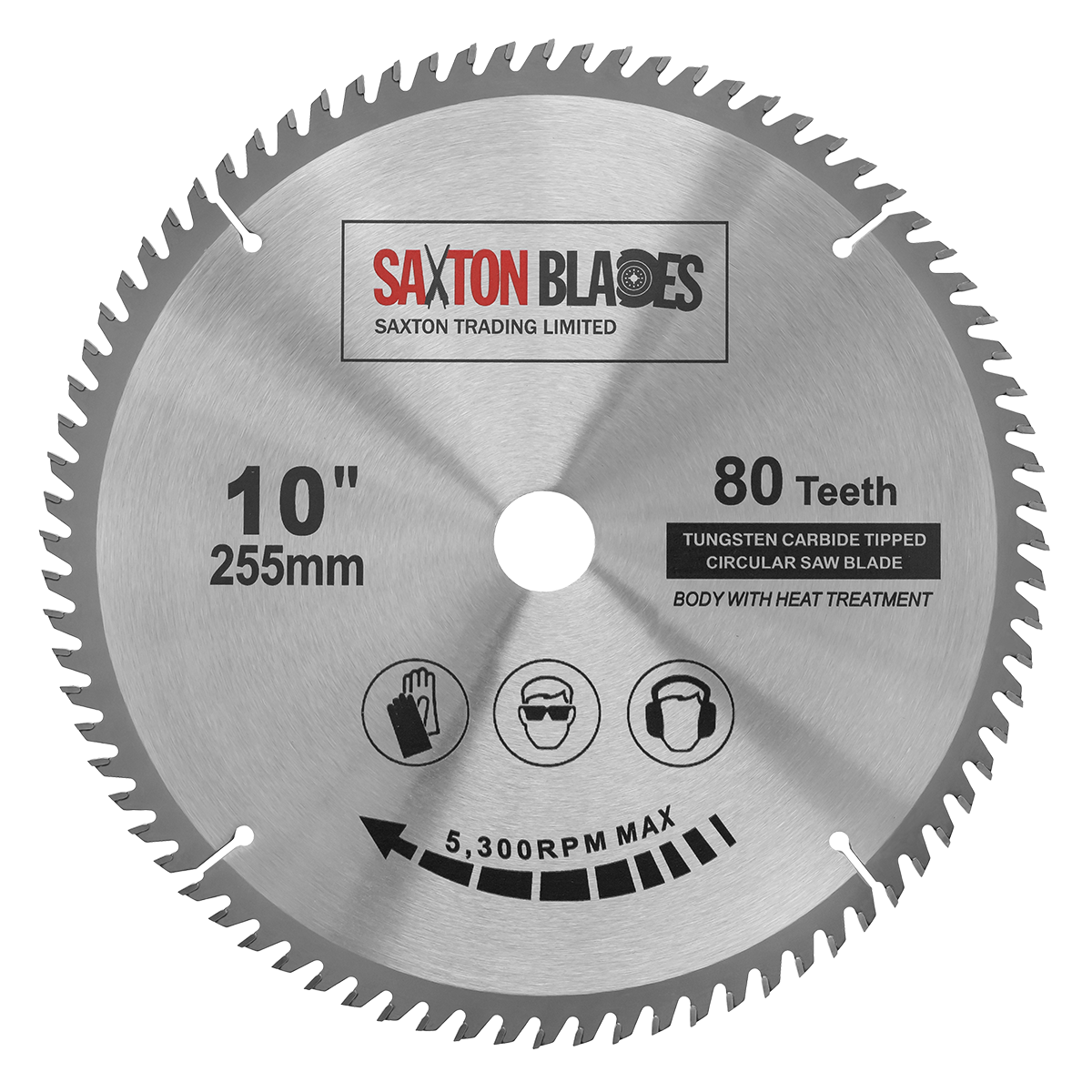
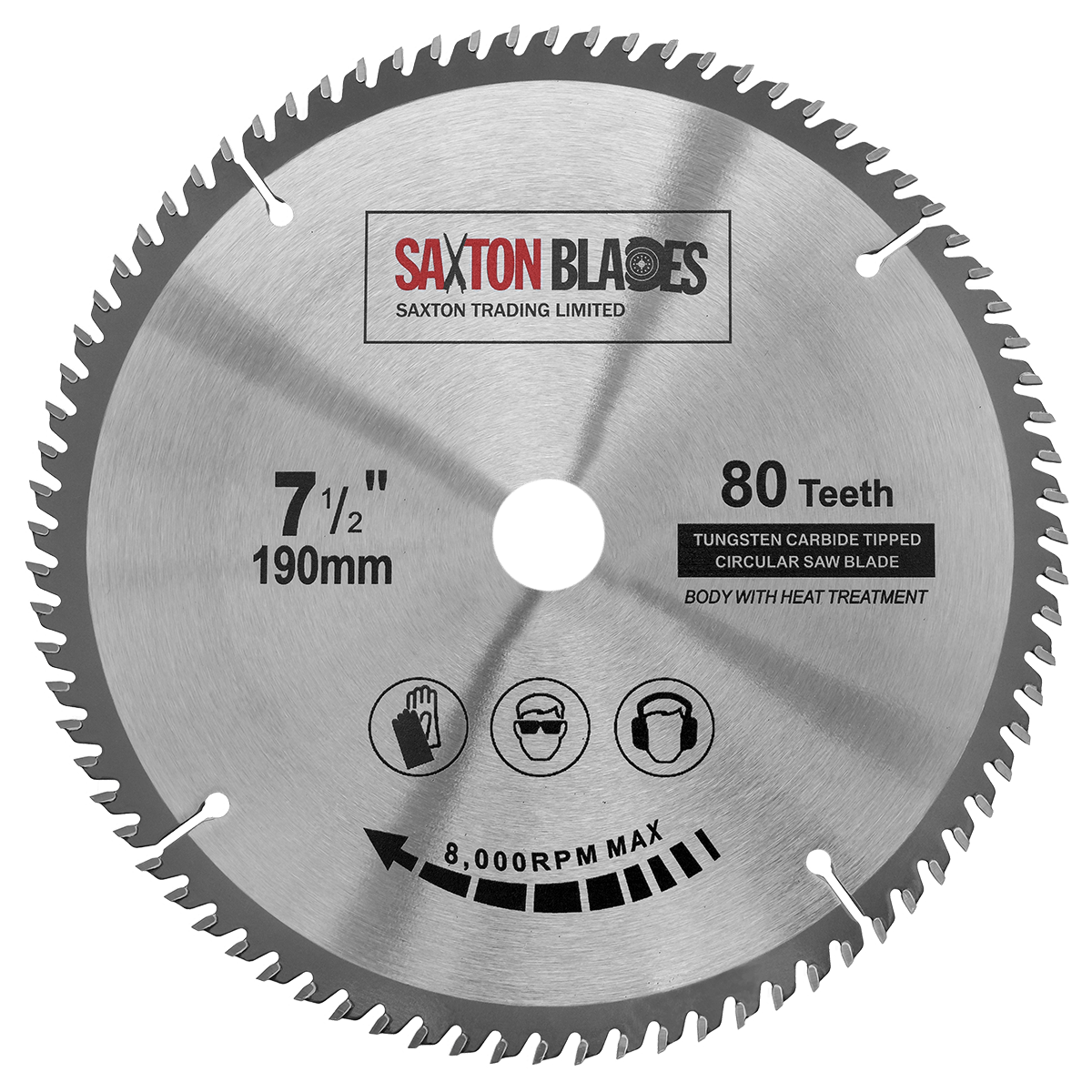
More teeth means each one removes an even smaller shaving, so the cut is finer and the edge is cleaner. For finish work such as trim, laminate, and veneered board, an 80-tooth blade is the benchmark. A 40T will cut the same material faster, but with far coarser edges.
Tooth Grind
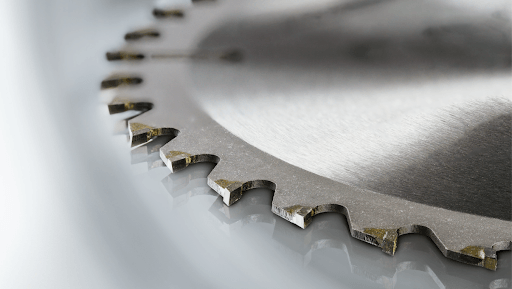
An ATB (alternate top bevel) grind angles each tooth alternately left and right, so the points score through the surface fibers before the body of the tooth clears the waste. That scoring action is what stops the top face from splintering, and it’s why every blade uses it.
Sharp Carbide
A blunt tip tears rather than slices. Our professional blades use harder German-made tungsten carbide specifically because it holds its edge longer. An edge that stays sharp keeps cutting cleanly job after job.
Low vibration
A blade that chatters leaves fine ripple marks on the cut face. Anti-vibration slots in the plate damp that movement, which keeps the surface smooth and the saw quieter into the bargain.
The 216mm 80T
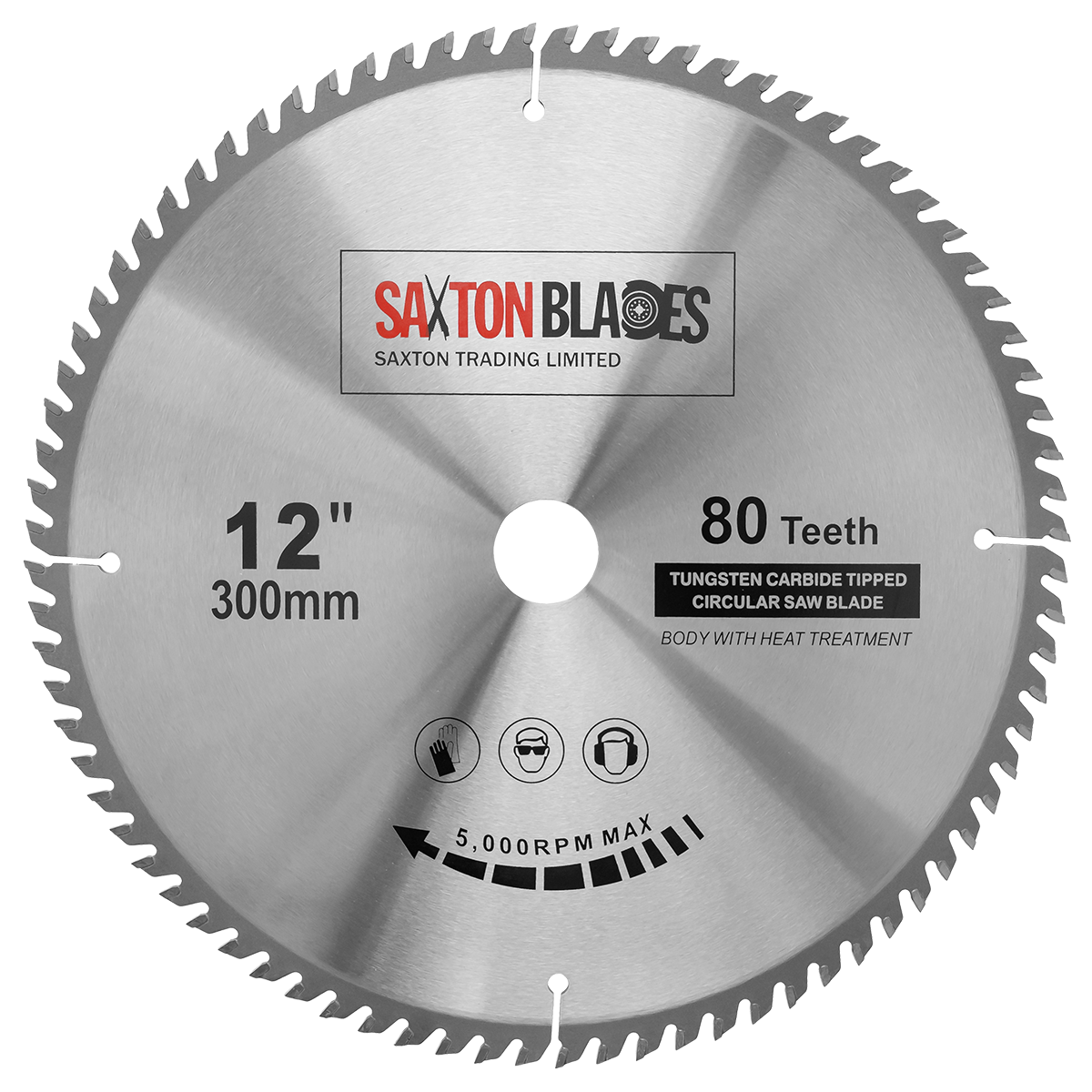
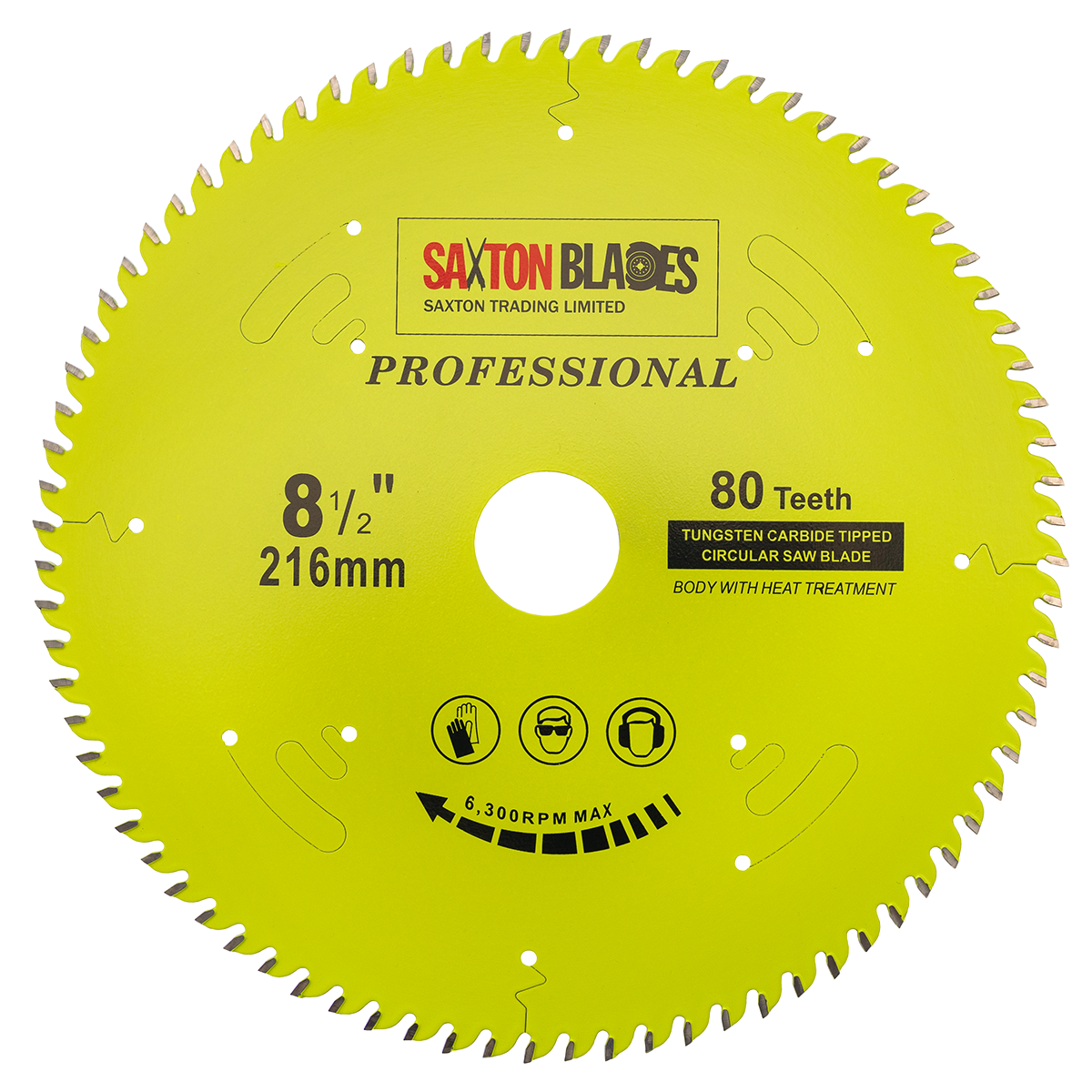
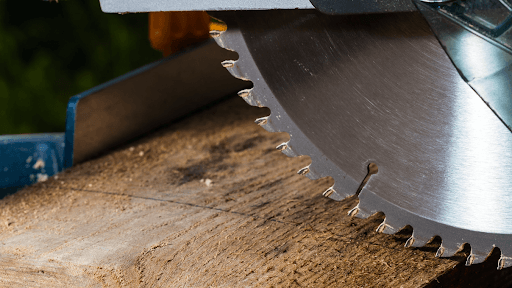
The 216mm is the most common sliding mitre saw in the UK, making the 216mm circular saw blade the one most people need for clean crosscutting. The 80-tooth version is the finish blade, which skirts, architraves, does hardwood trims, and, with mitred returns, comes off with sharp corners and next to no tear-out. Its 40-tooth counterpart is there for the faster, but dowdy work, making it perfect for when the edge isn’t seen.
The 210mm 80T
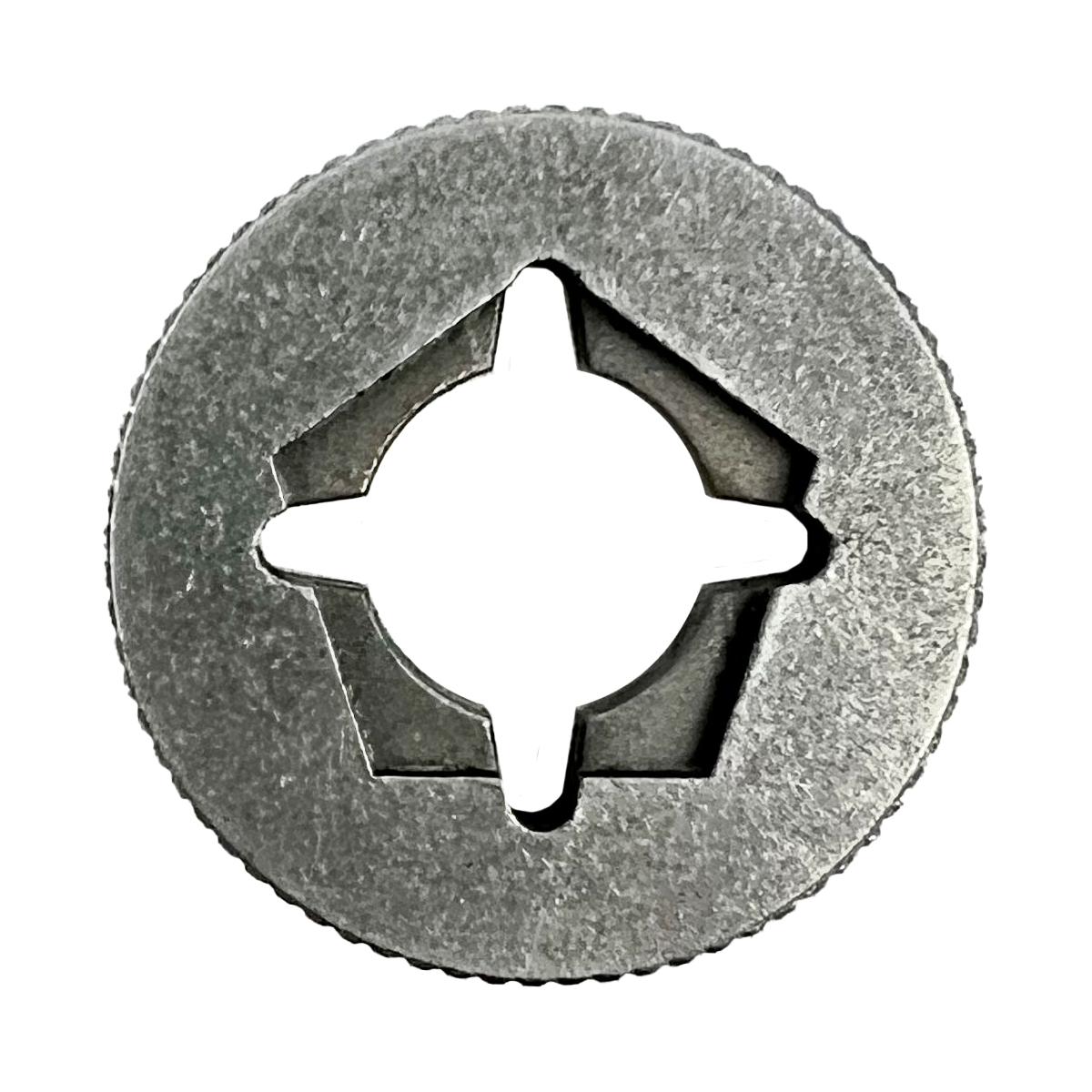
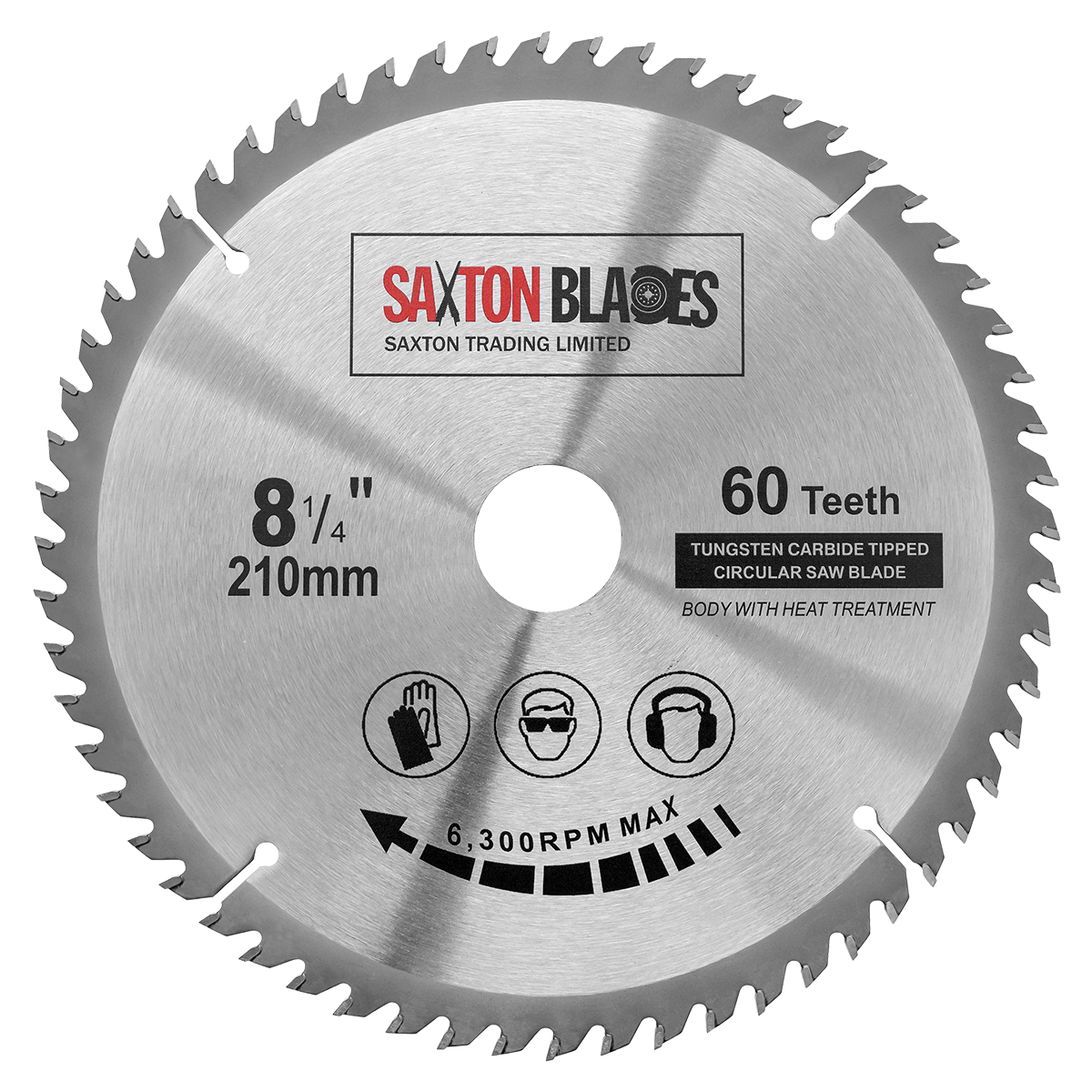
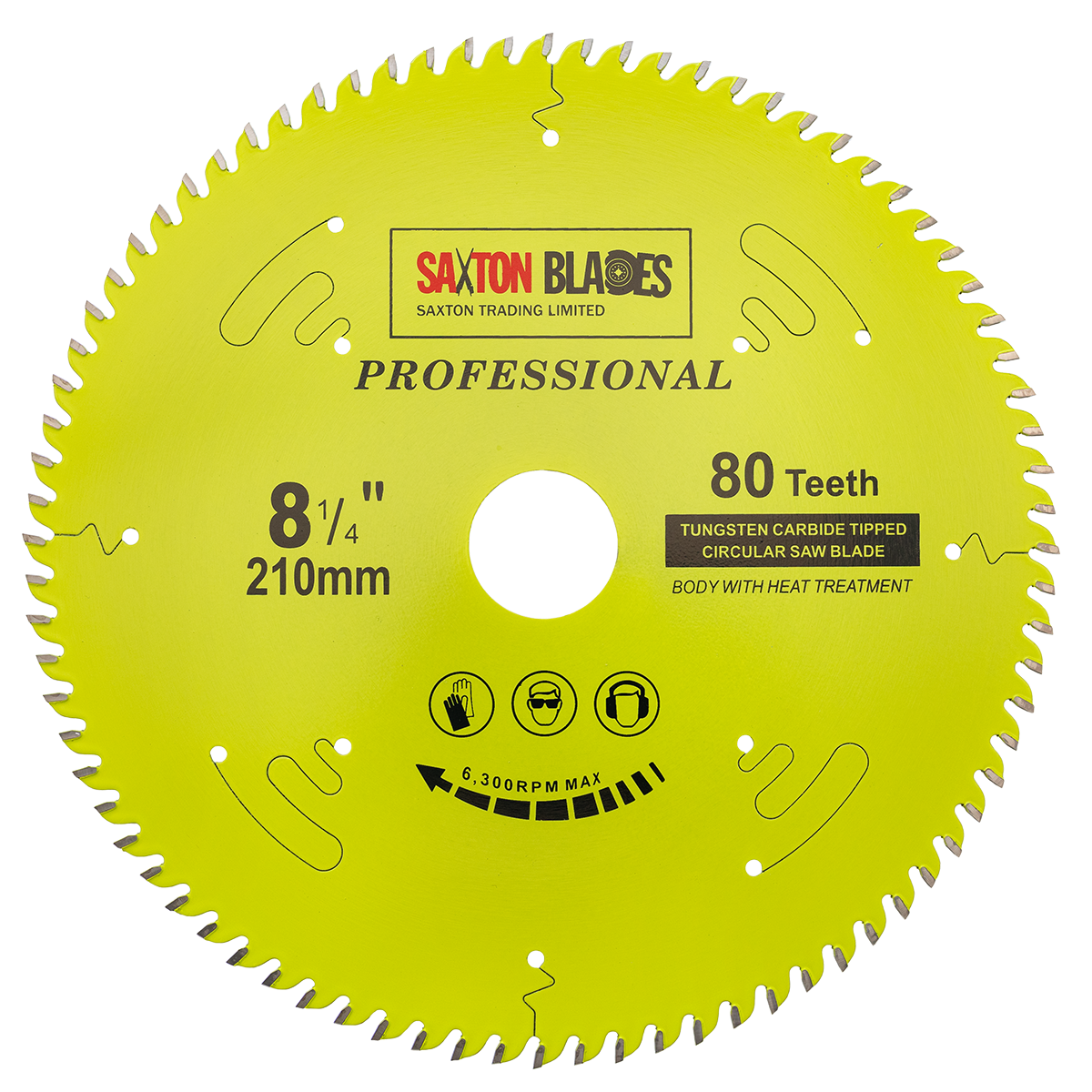
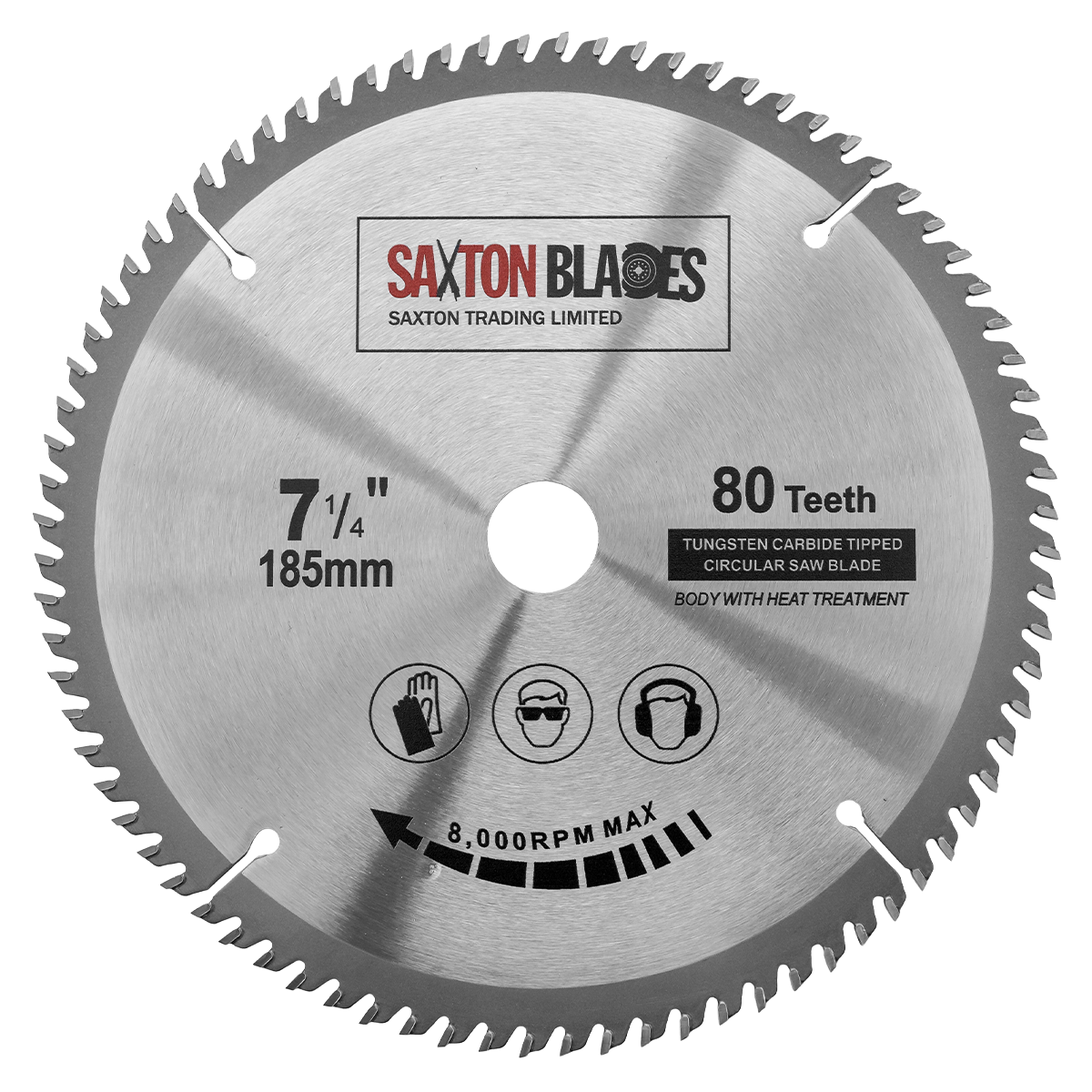
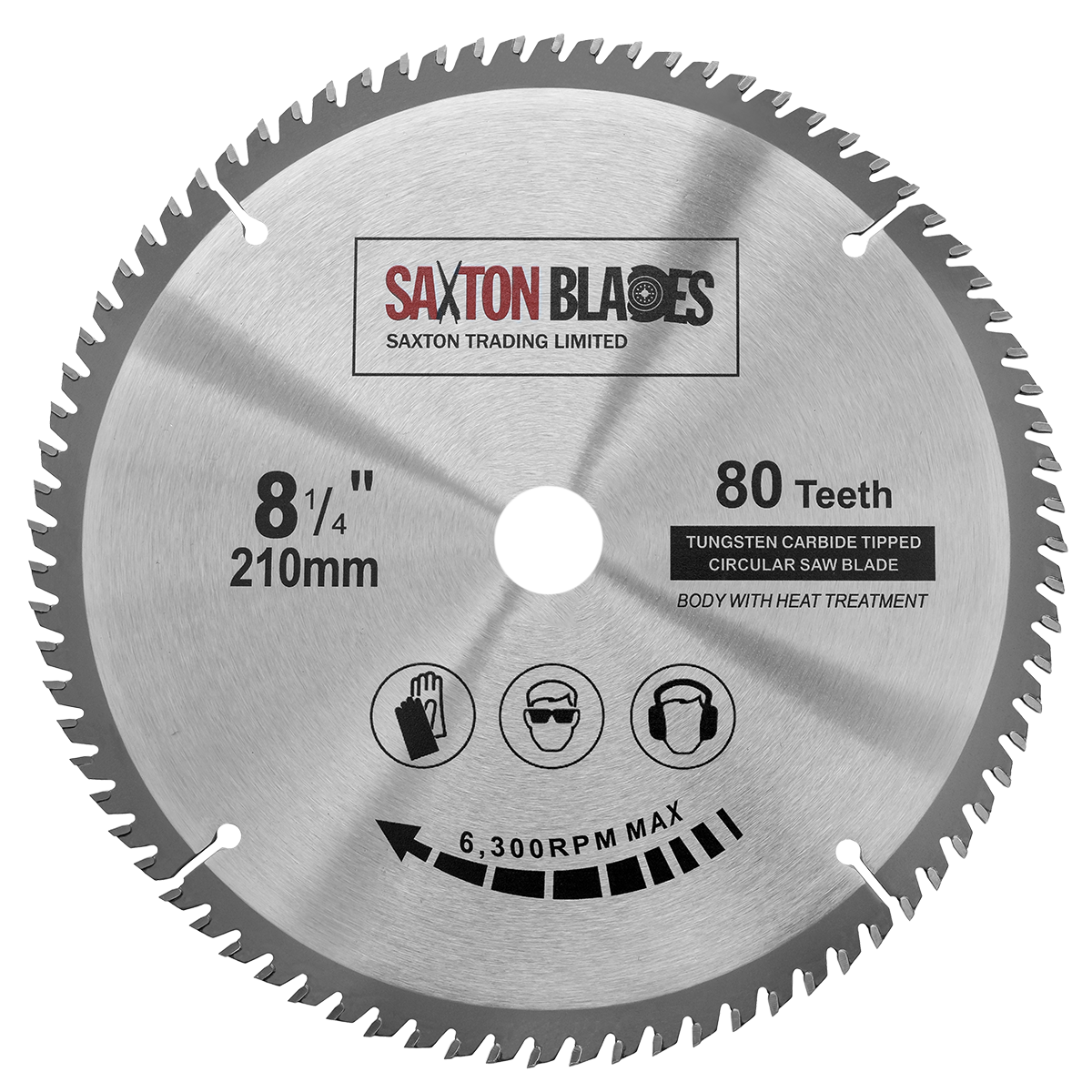
The 210mm saw blade covers the same clean-finish job across both mitre saws and smaller table saws. The 80T gives precise, low-splinter cuts in hardwood, plywood, MDF, and laminated panels, with a slim 2.3mm kerf that removes less material and leaves a tidier edge. It ships with an extra 25.4mm ring on top of the usual set, so it fits Evolution and Festool arbors straight out of the box.
Getting the Cleanest Cut from Any TCT Saw Blade
Even the right blade rewards good habits. Run a strip of masking tape over the cut line to support the surface fibers. Keep the good face where the teeth exit cleanest, down on a table saw, up on a handheld. Let the blade reach full speed before it touches the work, and don’t force the feed: pushing too hard deflects the plate and toughens the edge. Replace a blade once it stops slicing! A tired blade is the most common cause of poor finishing.
Need a Hand in Choosing your TCT Circular Saw Blade?
Browse the full range of TCT circular saw blades or call us on 0800 170 7222 and tell us your saw and the material, and our professionals will point you in the right direction for tooth count and bore.