
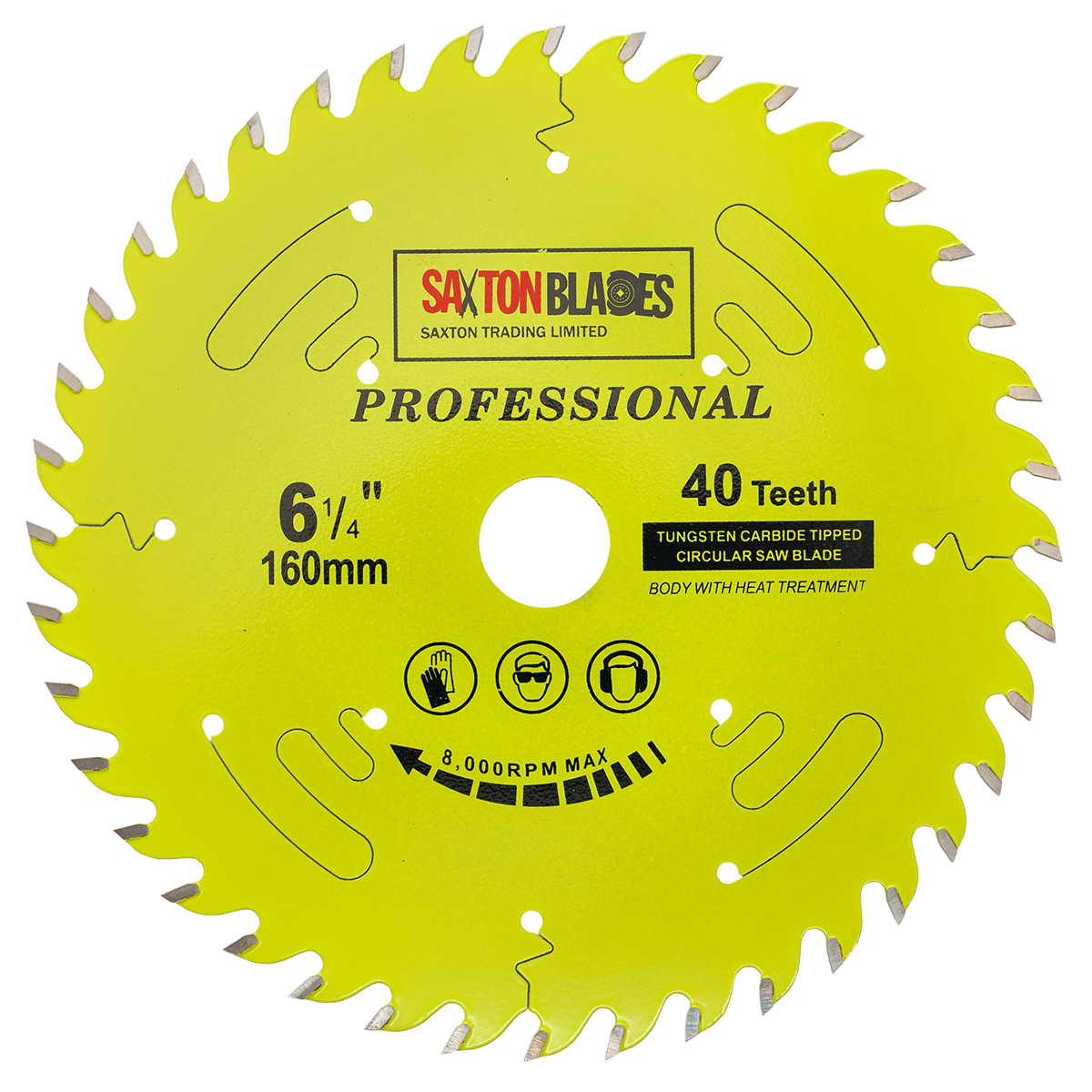
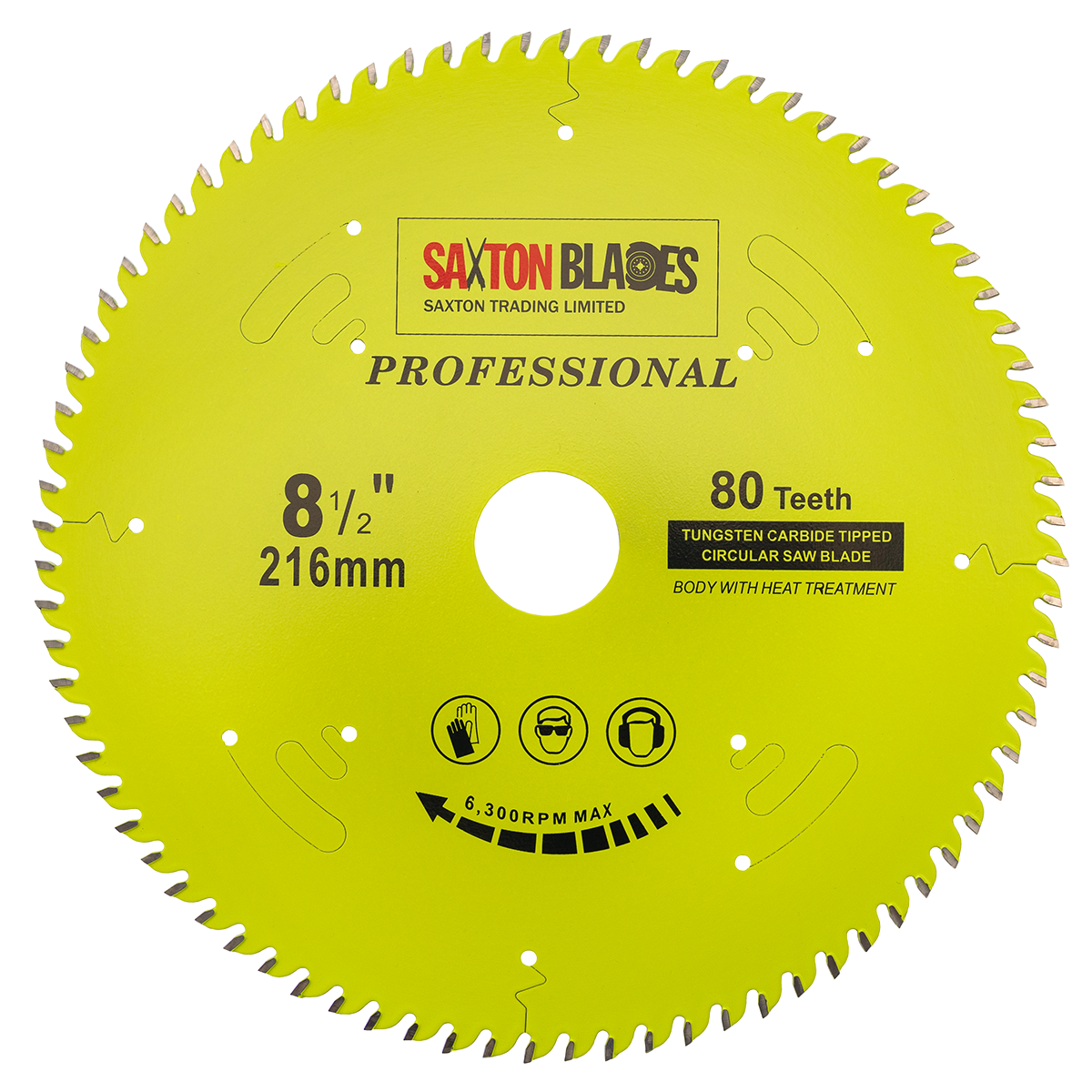
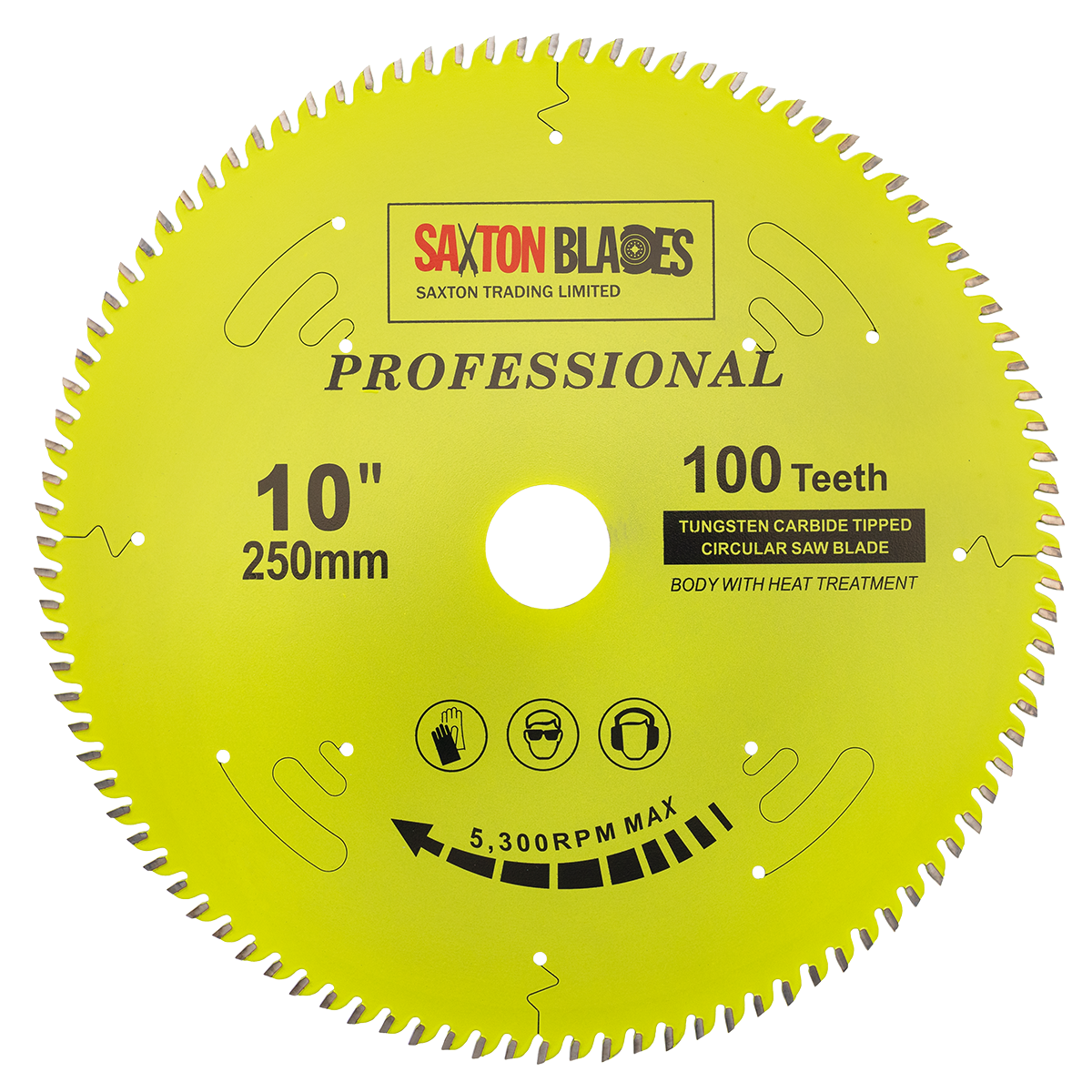
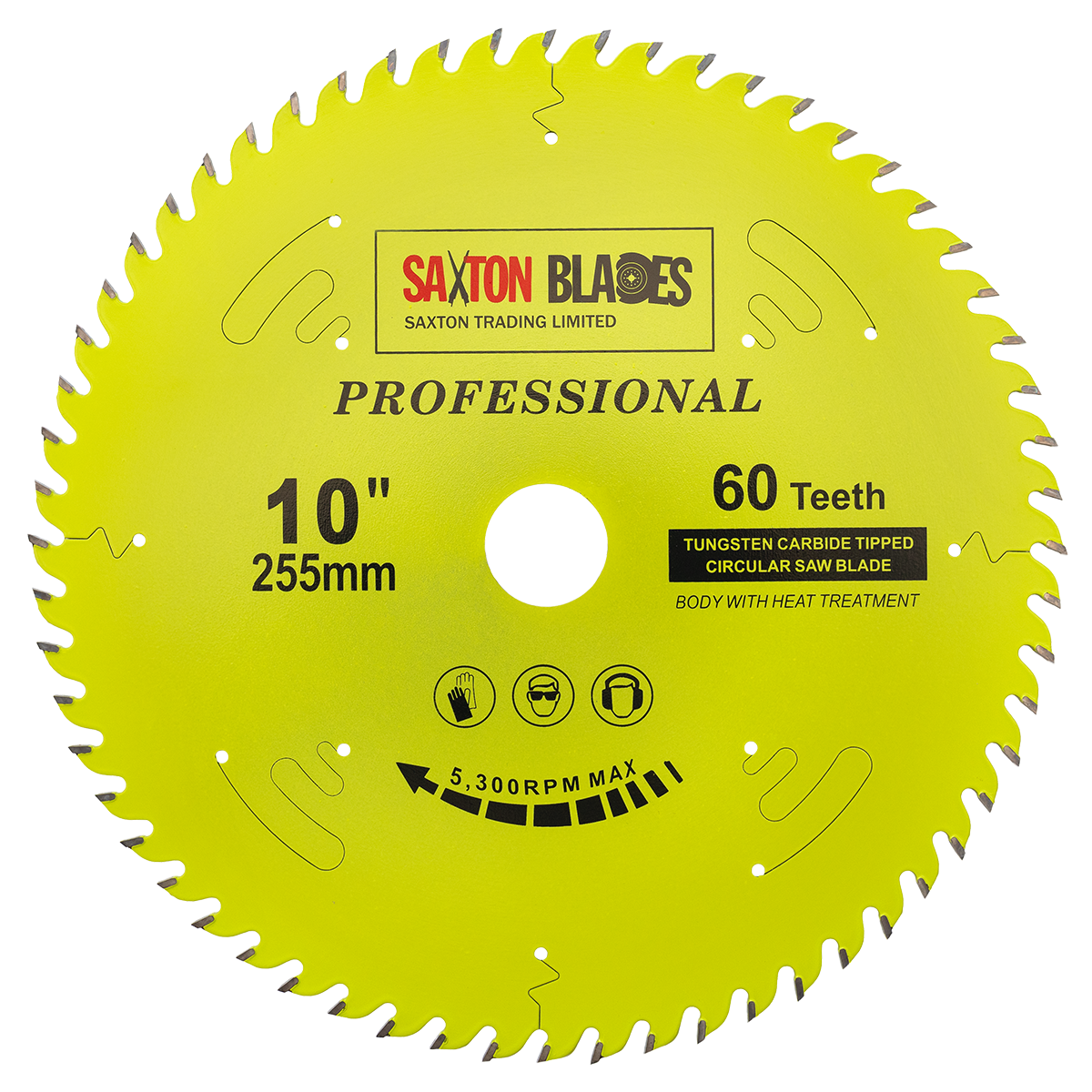
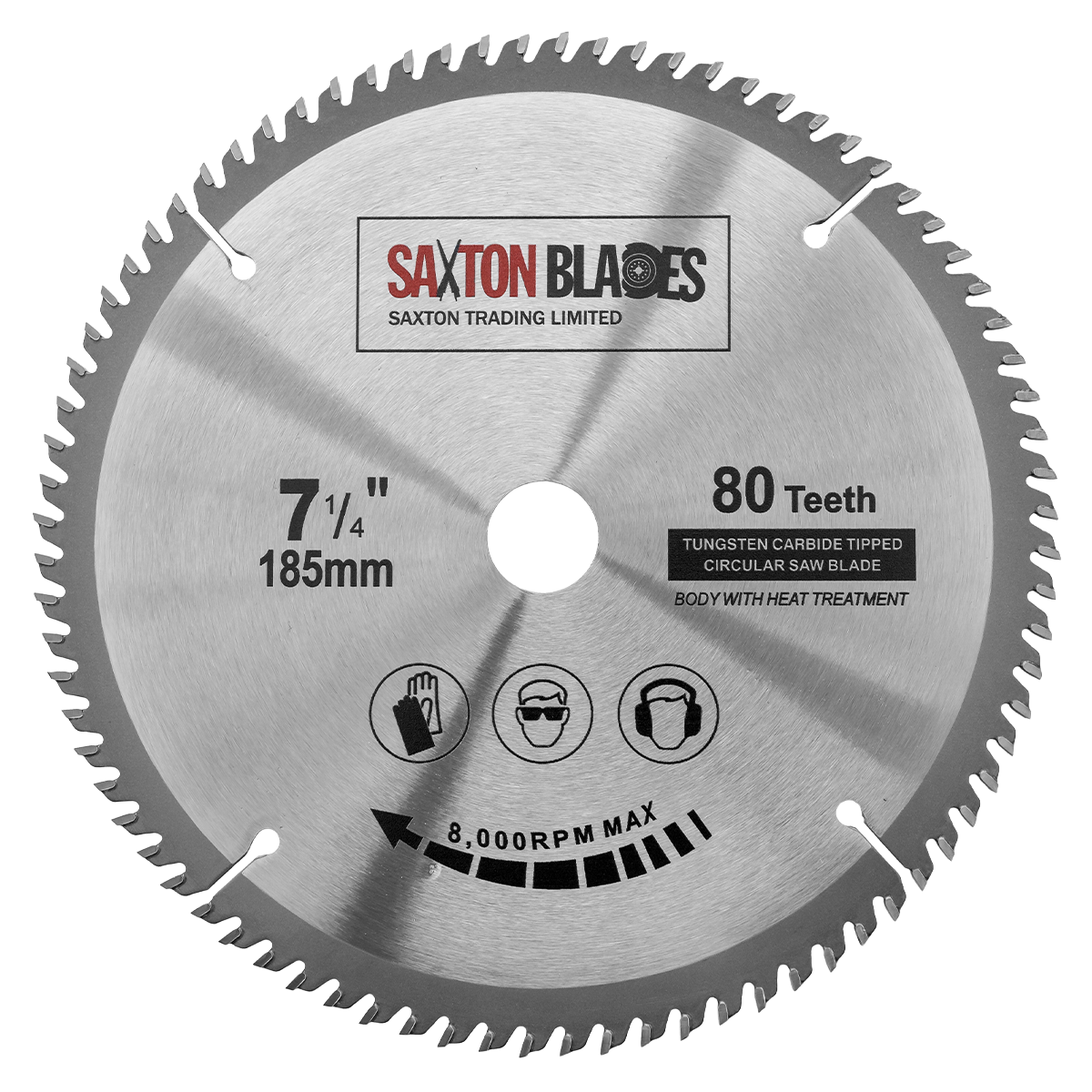
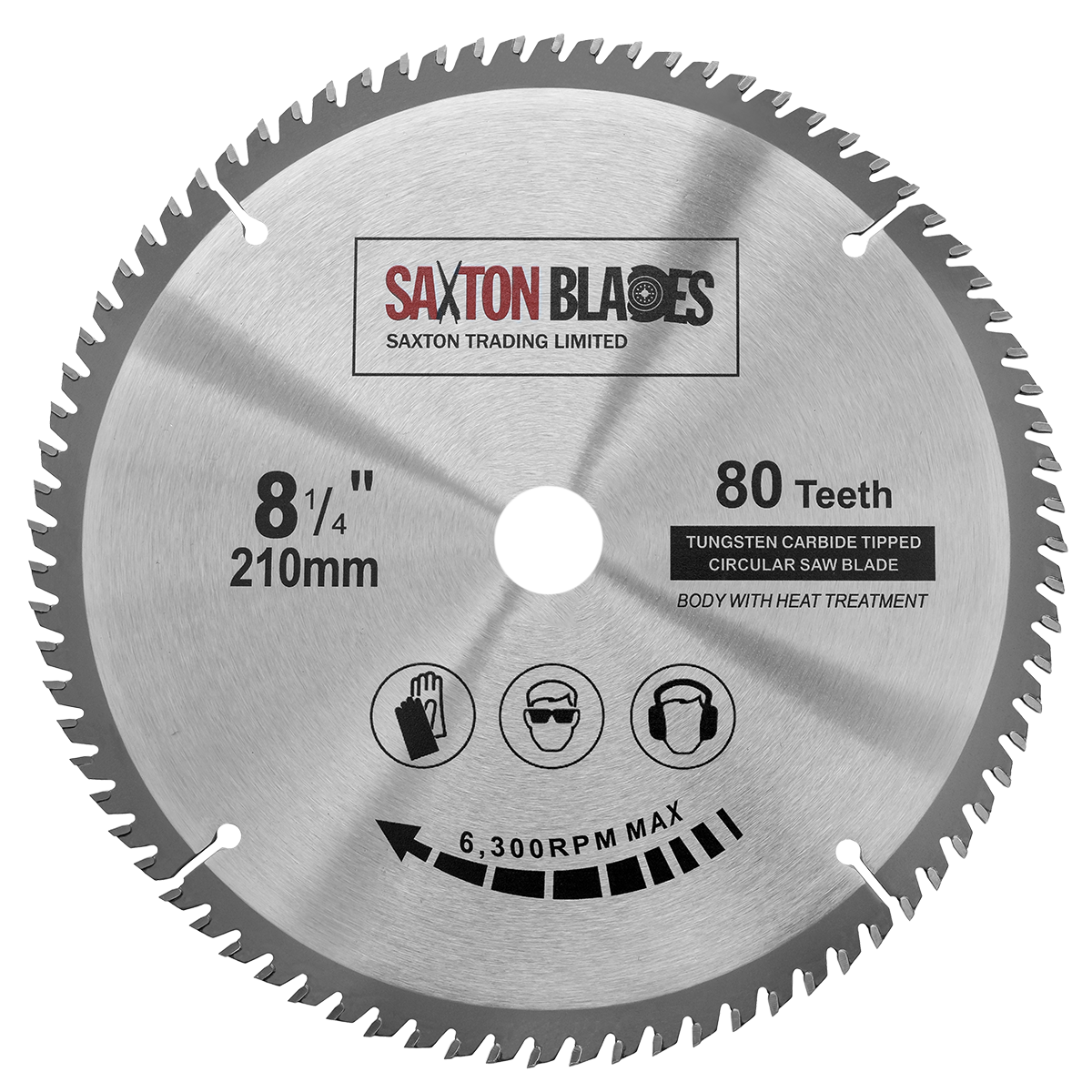
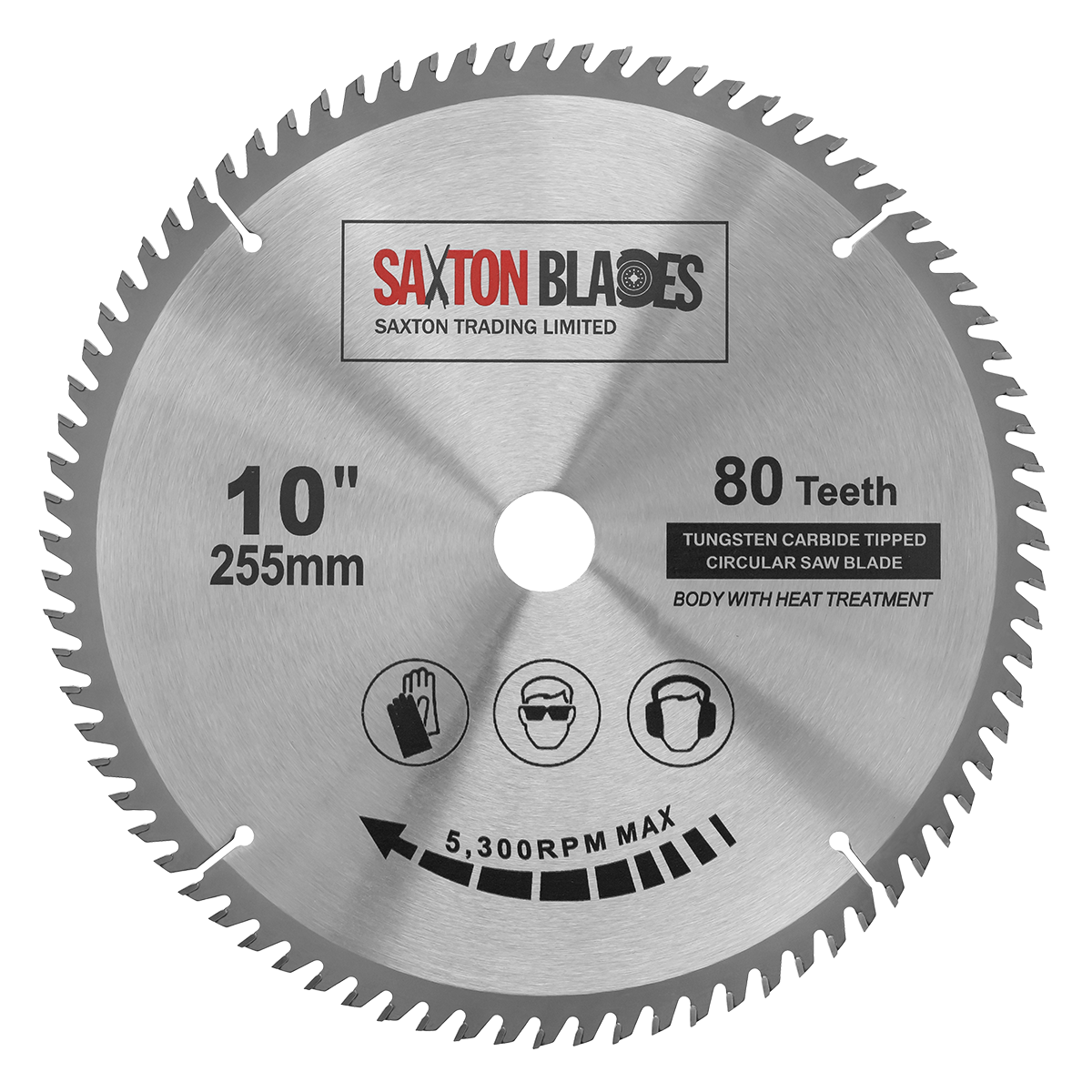
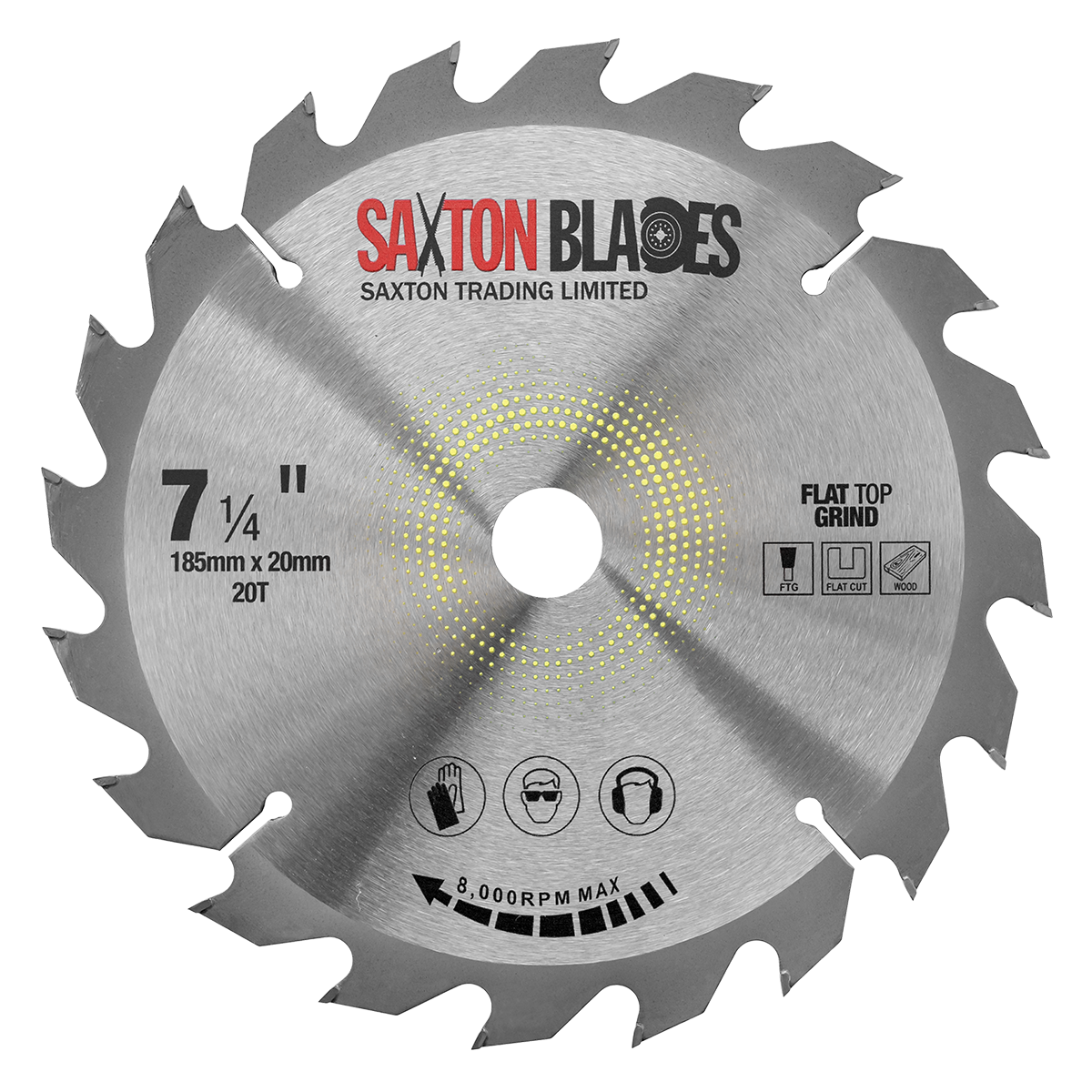
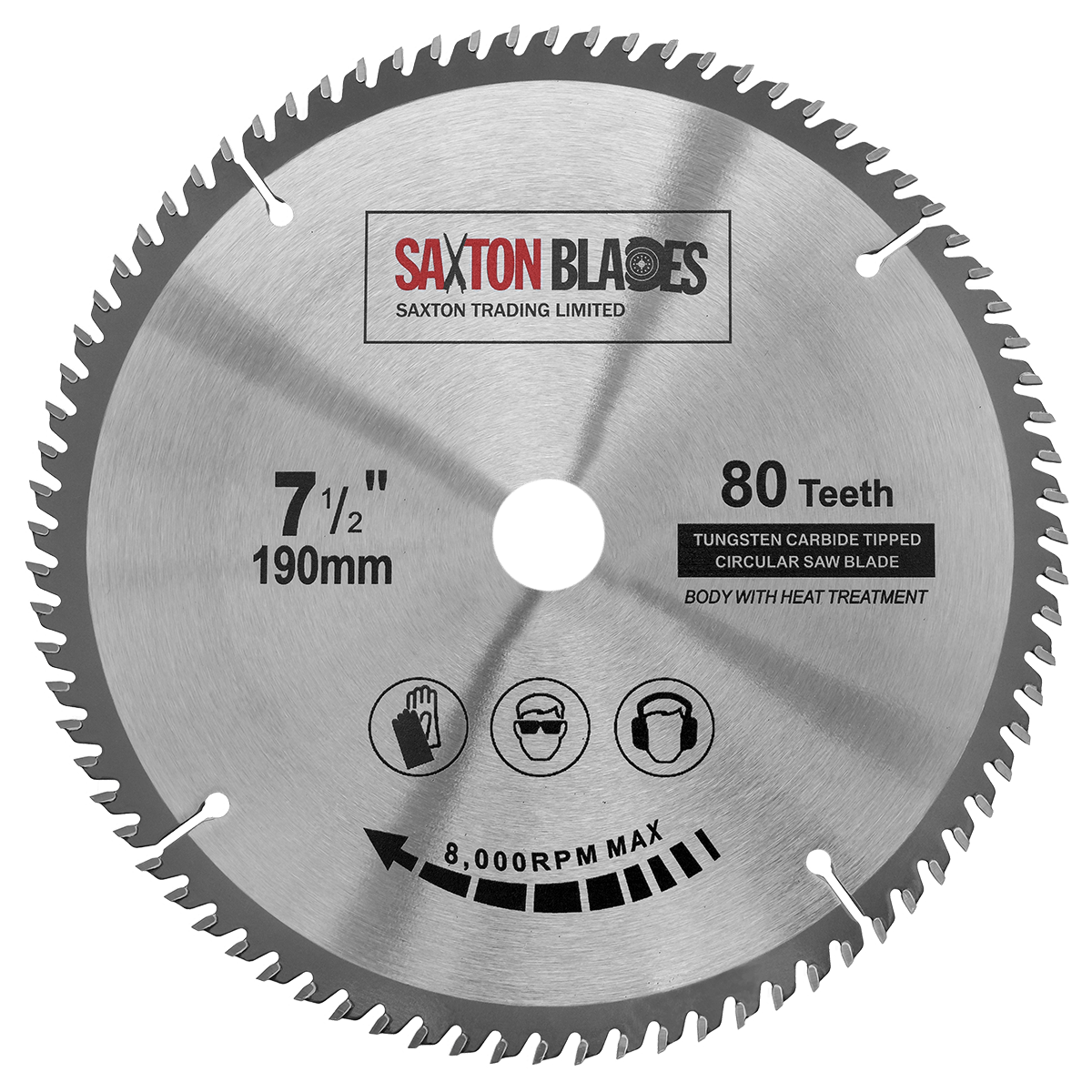
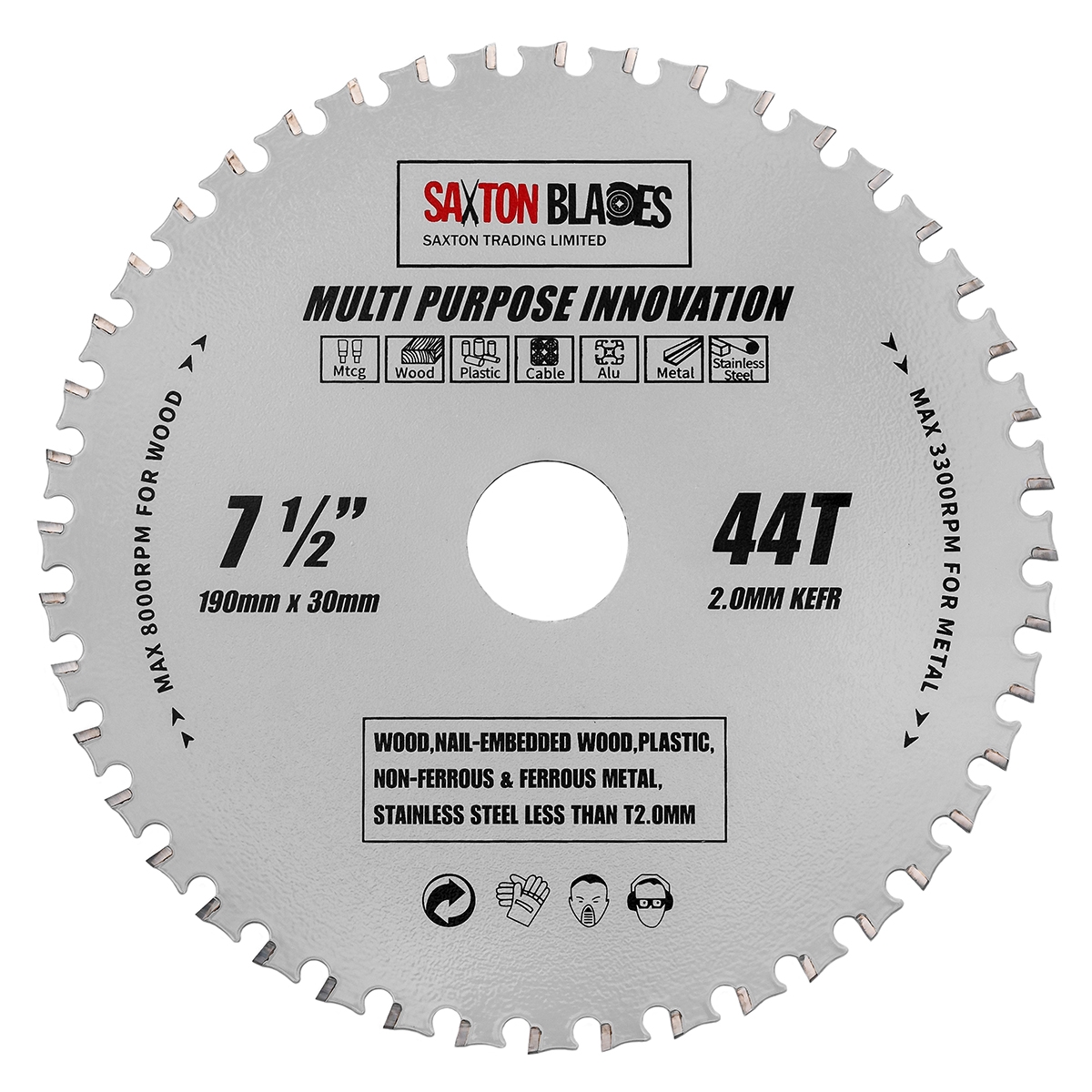
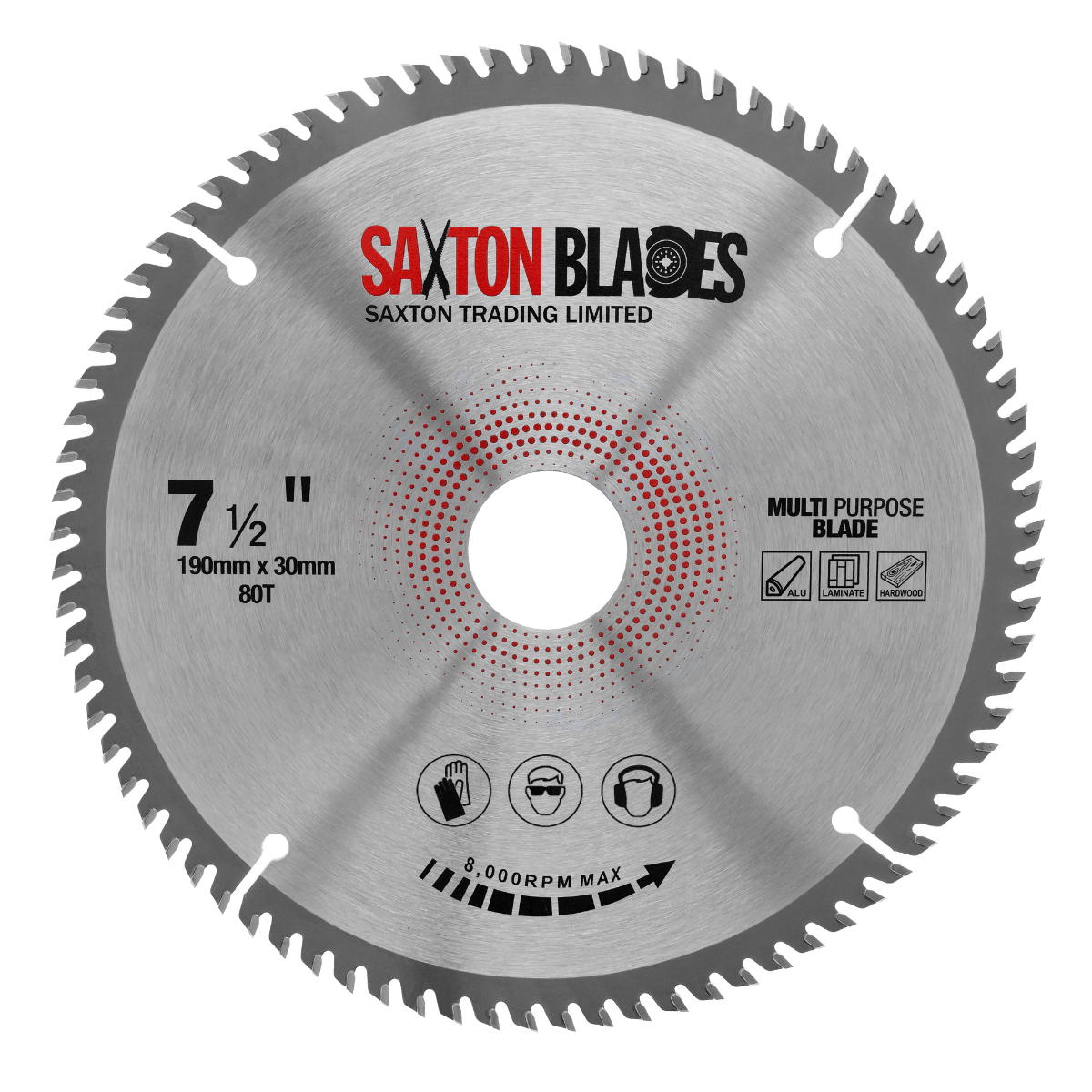
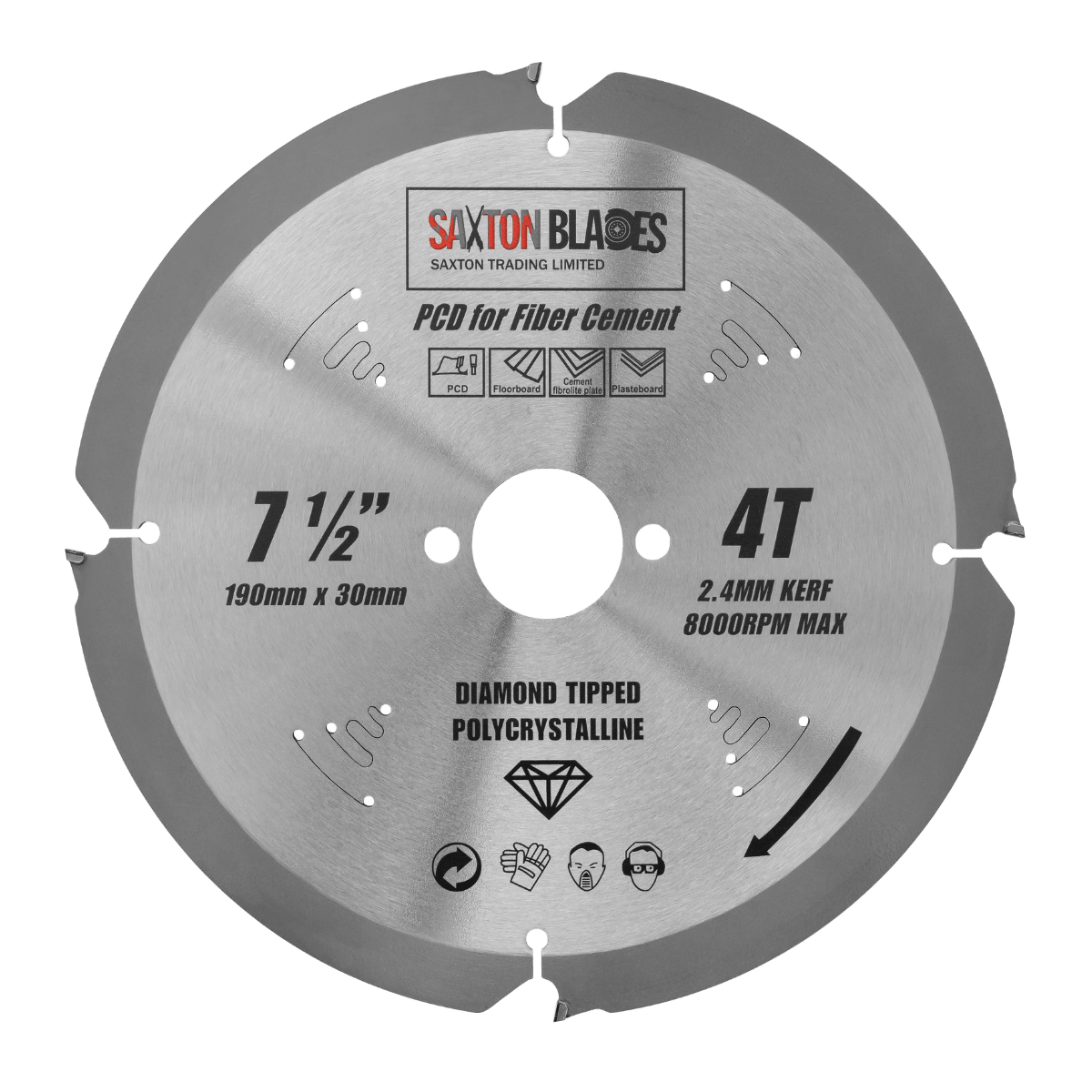
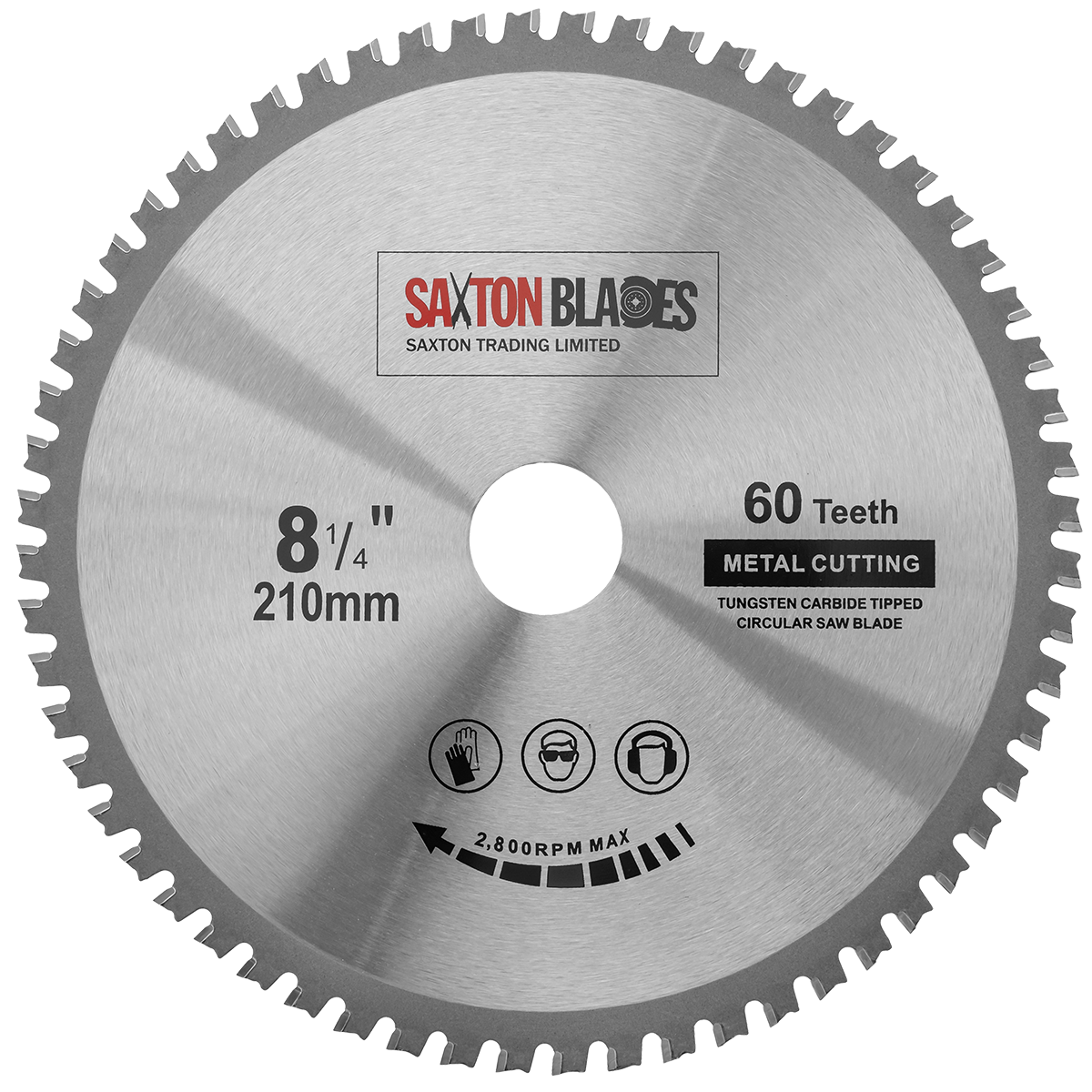
These three sizes sit within 25mm of each other; they cut the same material and plenty of saws will physically spin more than one of them, so the honest answer to “which one do I need?” usually isn’t about the cut at all. It is about which size your saw is built for, and how much depth you want.
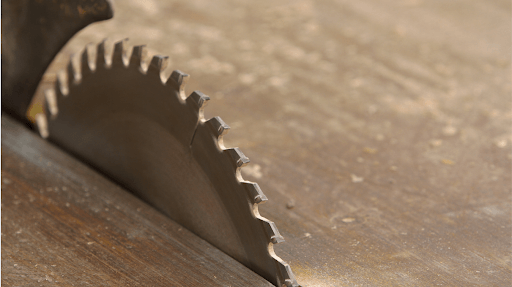
The 165 mm Blade
The compact and cordless friendly 165mm circular saw blade is the smallest of the three, and that’s the whole point. Less material to drive means a thinner kerf, less resistance, and if you use it on a battery saw it makes noticeably more cuts per charge. Many compact 18V cordless saws are built around this size for that reason.
The trade-off is depth. A 164mm blade gives you the least of the three, which is fine for sheet goods, cladding, and second-fix work; however, it starts to feel limiting on anything thick.
The 185mm Blade
The everyday standard 185mm saw blade is the one most corded handheld saws take. You gain a depth over a 165mm without adding much weight, which is why it’s the default workhorse for decking and general site cutting.
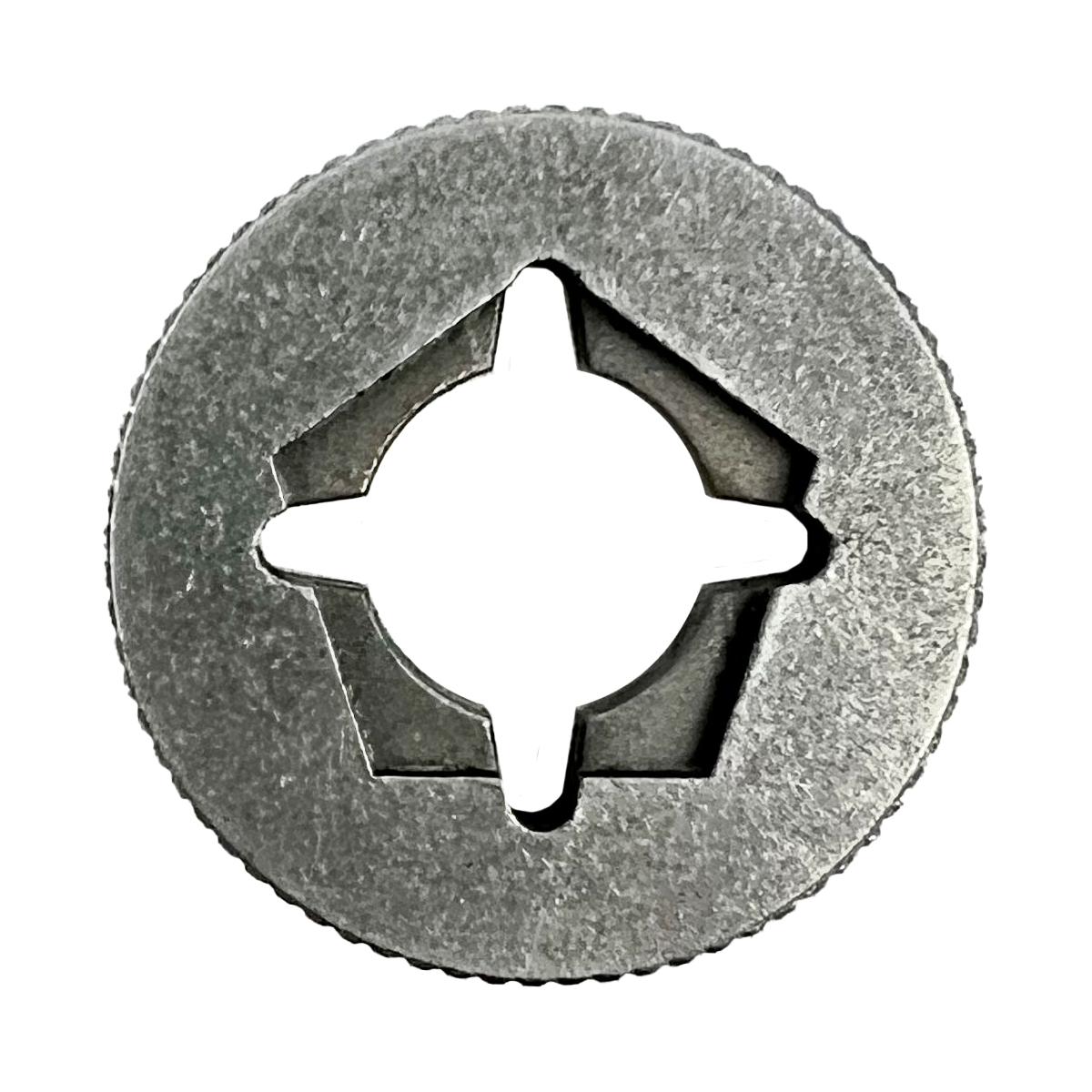
Our 185mm blades run a 30mm bore with reduction rings included, so they drop onto the common arbor sizes without a fuss.
The 190mm Blade
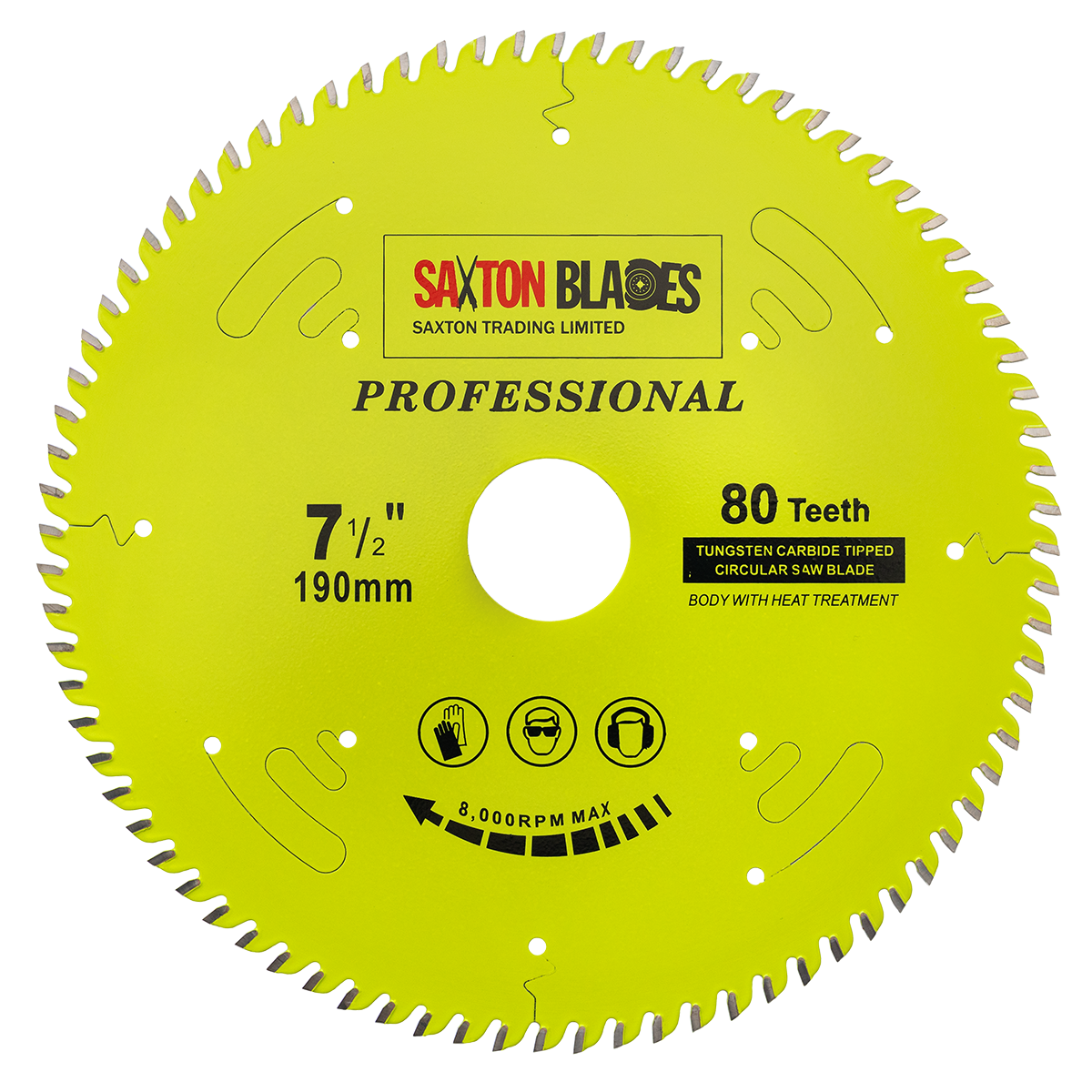
A 190mm circular saw blade gives you a little bit more reach. It’s the size several corded saws are spec’d for, and it’s also what the larger cordless machines, such as DeWalt’s Flex Volt, among them run on. Like the 185mm, it takes a 30mm bore with rings supplied.
In practice, the 185mm and 190mm cut almost identically. The difference is depth of cut, and crucially, which one your saw’s guard was designed around.
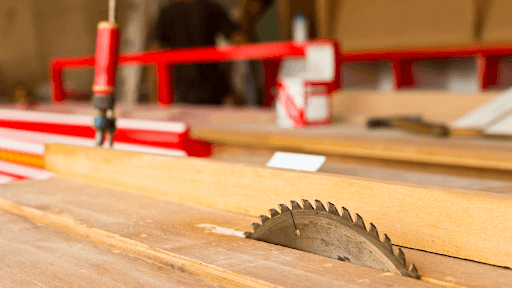
Can I Swap Between 185mm and 190mm?
Fitting an 185mm blade to a 190mm saw is fine. You lose a sliver of depth and nothing else. In fact, many of our 185mm blades are sold precisely because they also fit 190mm machines.
On the other hand, a 190mm blade in a saw rated for 185mm is the one to avoid. That extra 5mm of diameter can foul the guard and make it as much of a poor cut and a safety problem. When in doubt, fit the diameter printed on your saw’s specification plate.
Beyond the Saw Blade Size
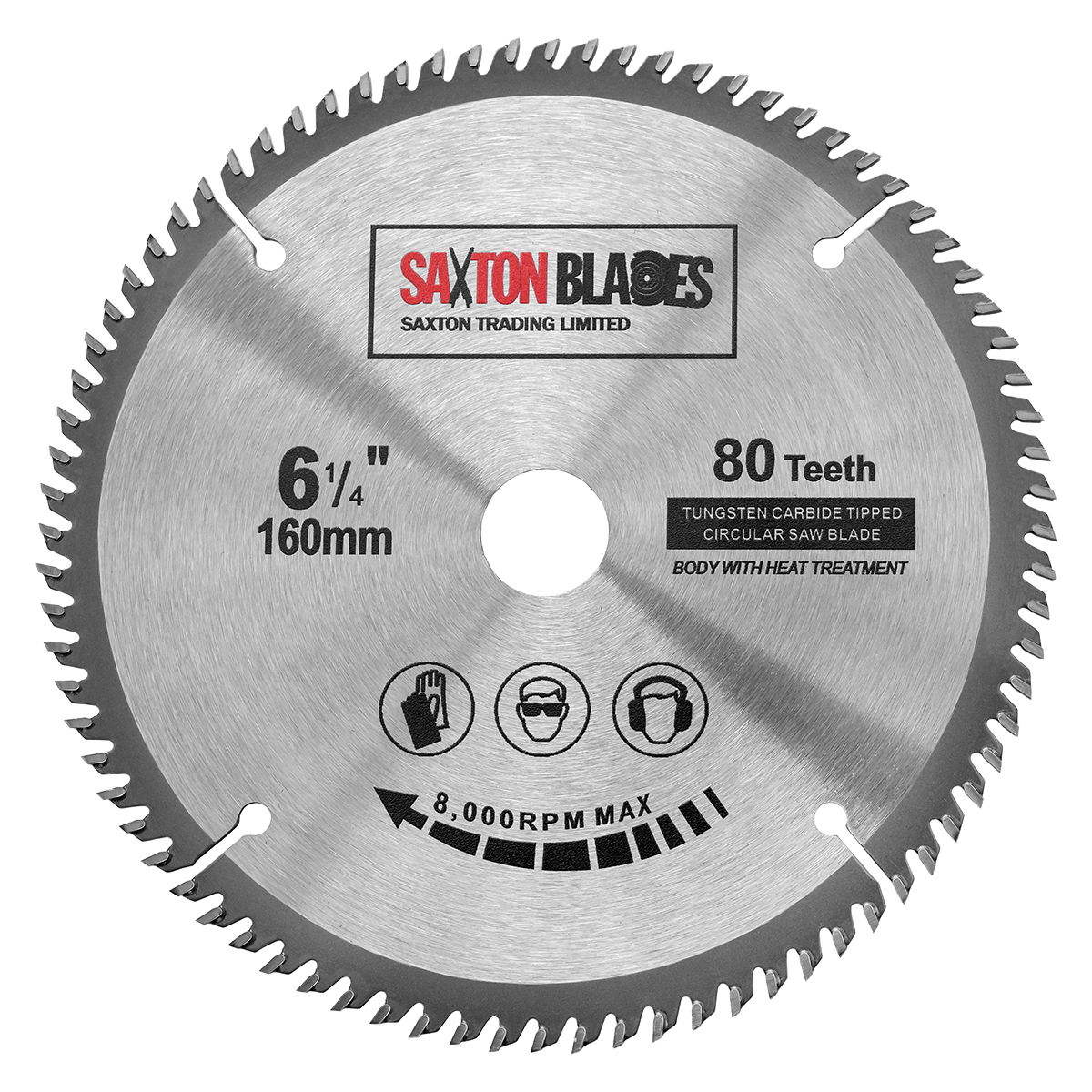
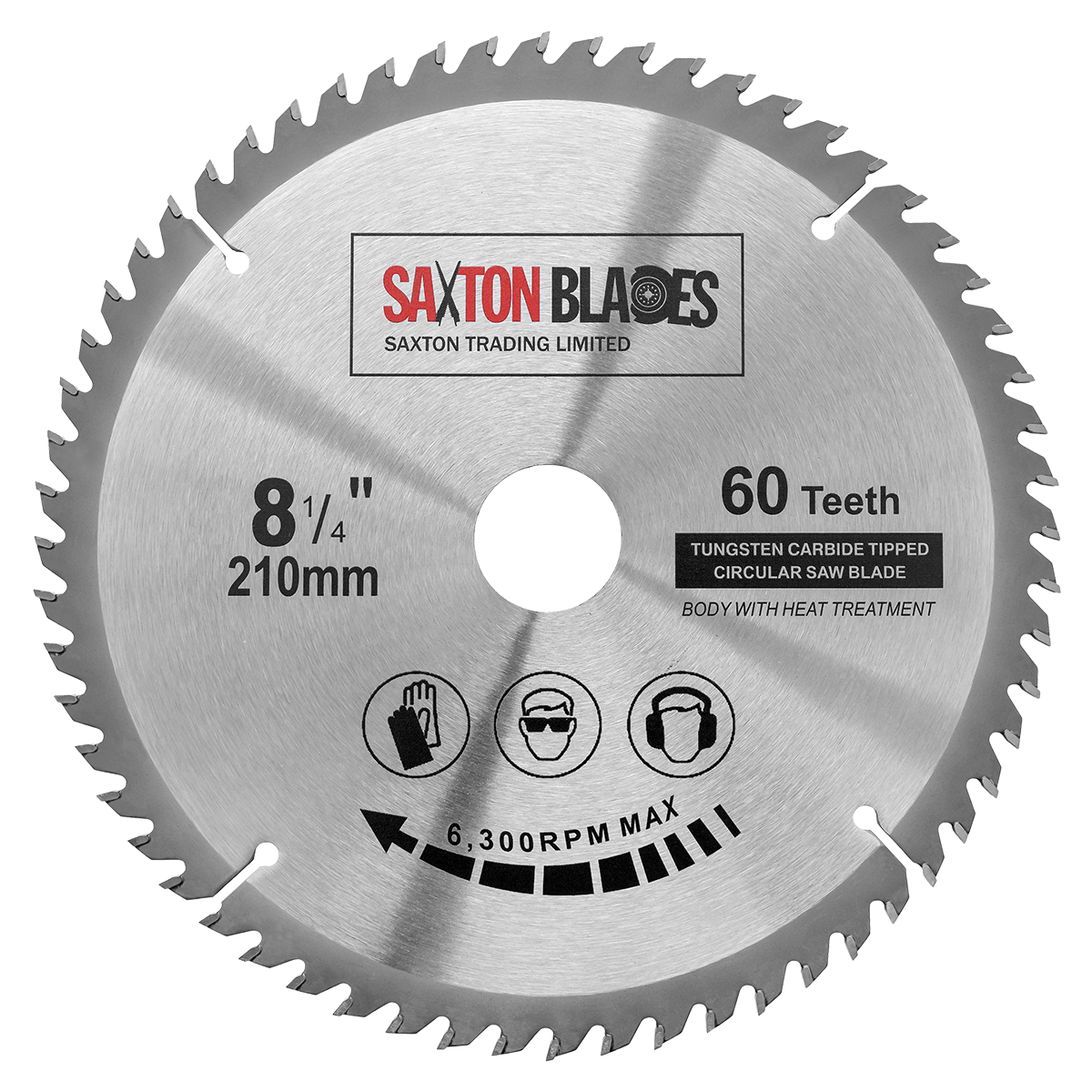
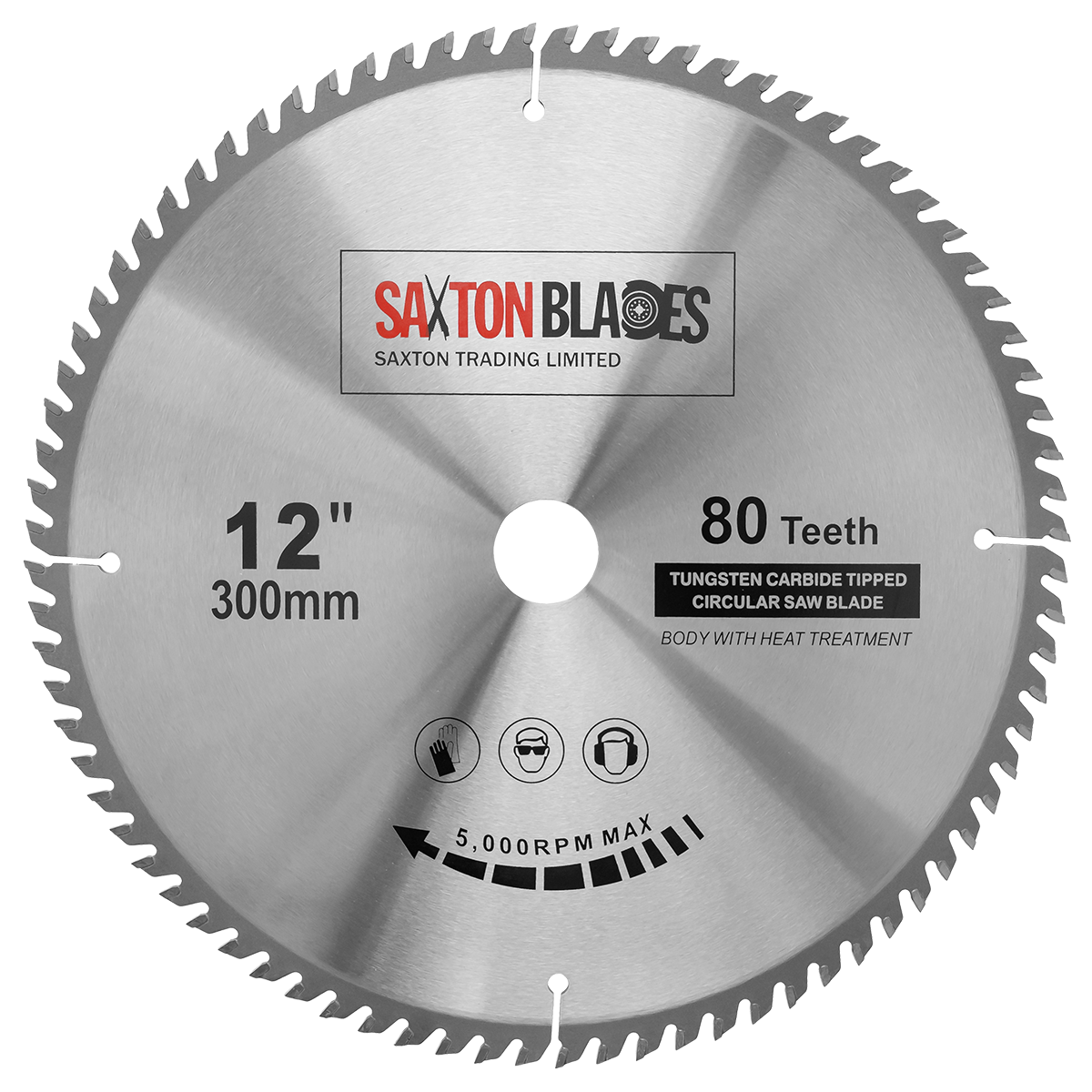
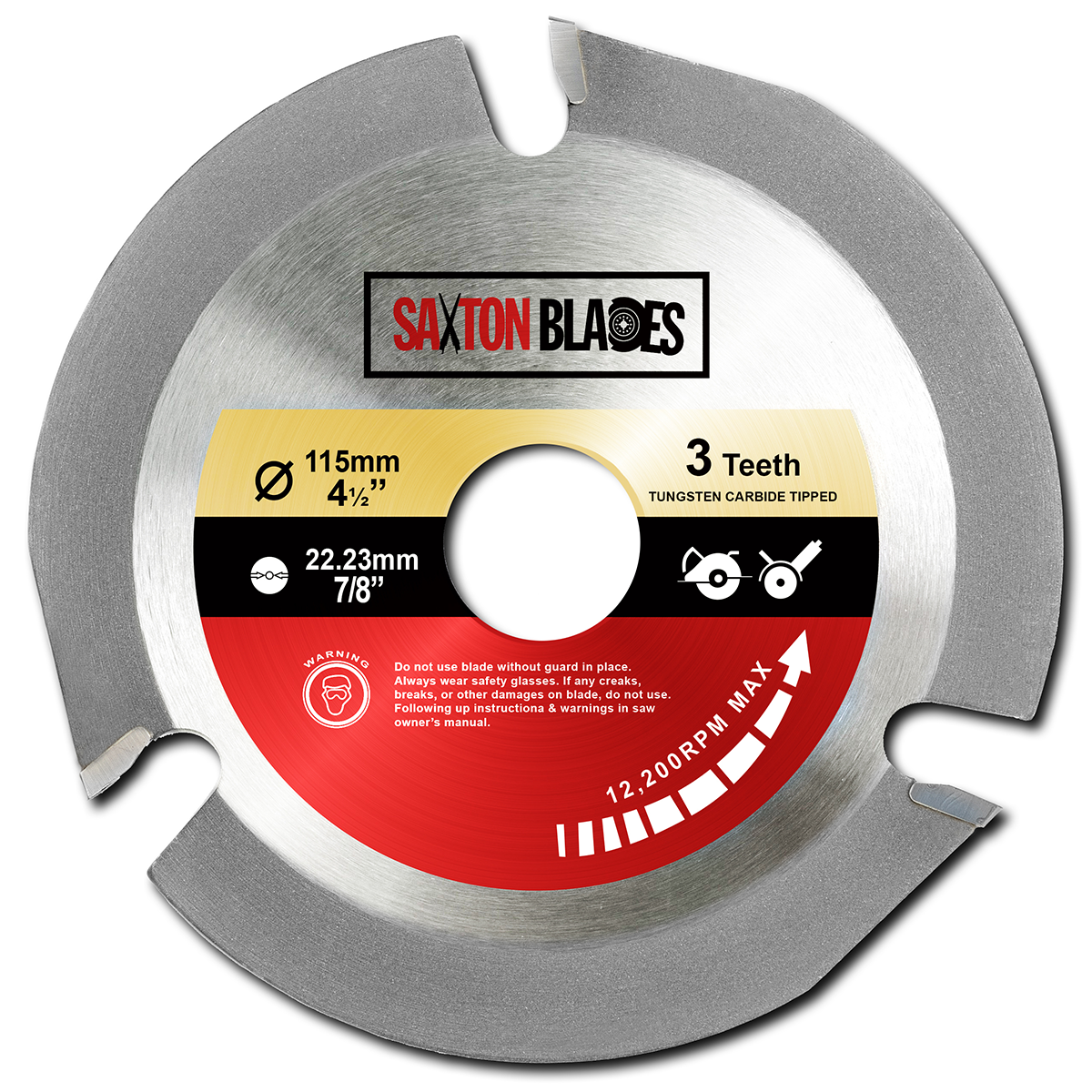
Whichever diameter you land on, tooth count decides the finish. Fewer teeth (20-24T) rip faster and rougher; mid counts (40T) handle most jobs cleanly; high counts (60T-80T) are for laminate, veneer, and visible cuts where splintering would show. Pick the size for your saw, then the tooth count for the job.
Still Not Sure?
Browse the full 165-216mm circular saw blade range, or call us on 0800 170 7222. Tell us your saw, and we’ll confirm the diameter and bore before your order so you don’t have to do the guesswork.